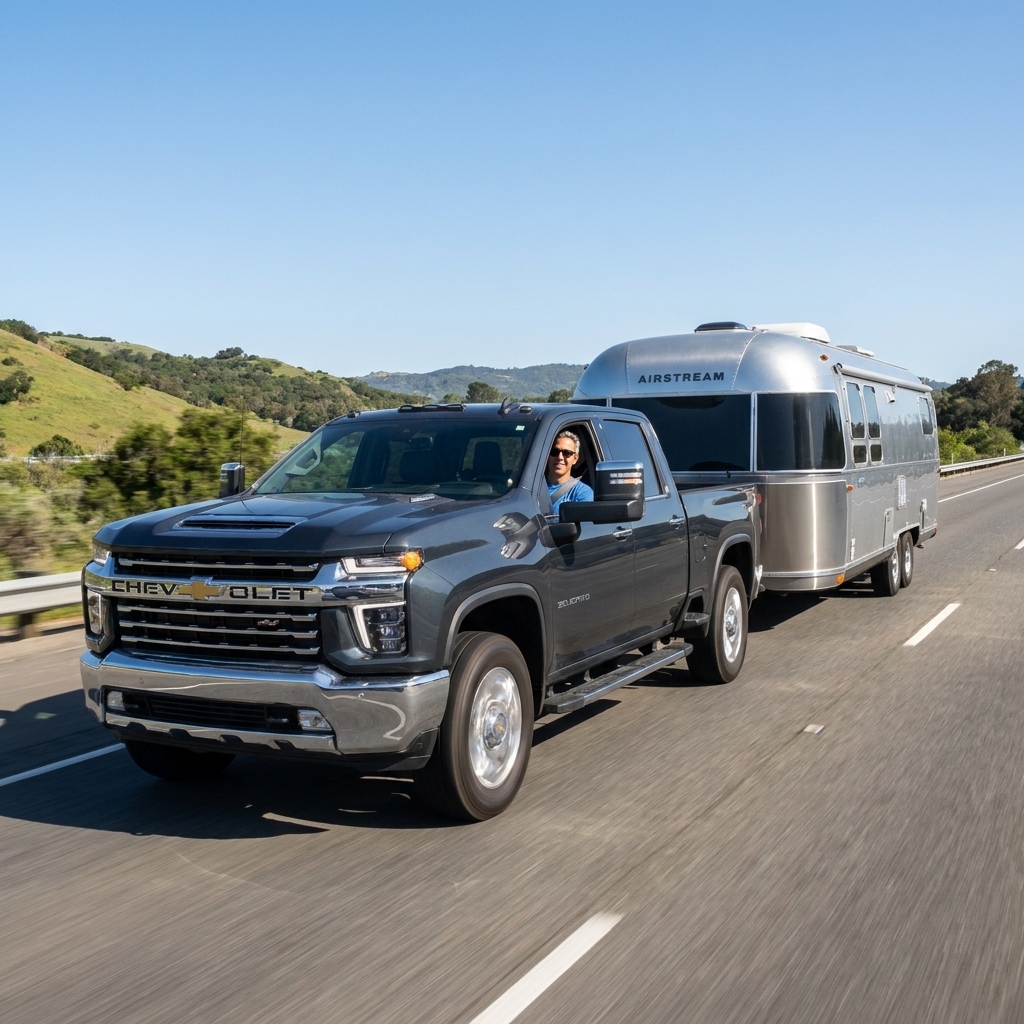
If you are buying a used truck specifically to tow, you are not shopping for cupholders and chrome. You are shopping for cooling capacity, axle gearing, brakes, frame integrity, and a history that proves the truck was cared for when it was working hard.
I have managed fleets where trucks towed every day, and I have also watched plenty of “looks clean to me” pickups turn into white-knuckle tow rigs on the first hot hill. Use this checklist like you are inspecting a piece of equipment, because that is what a tow vehicle is.
Start with the numbers
Before you crawl under anything, do two quick reality checks. They save you hours and prevent buying a truck that will never be happy towing your trailer.
1) Payload, not tow rating, is usually the limiter
Most folks get dazzled by the max tow rating. For travel trailers and toy haulers, payload is often what runs out first because tongue weight sits on the truck like a big kid on a teeter-totter.
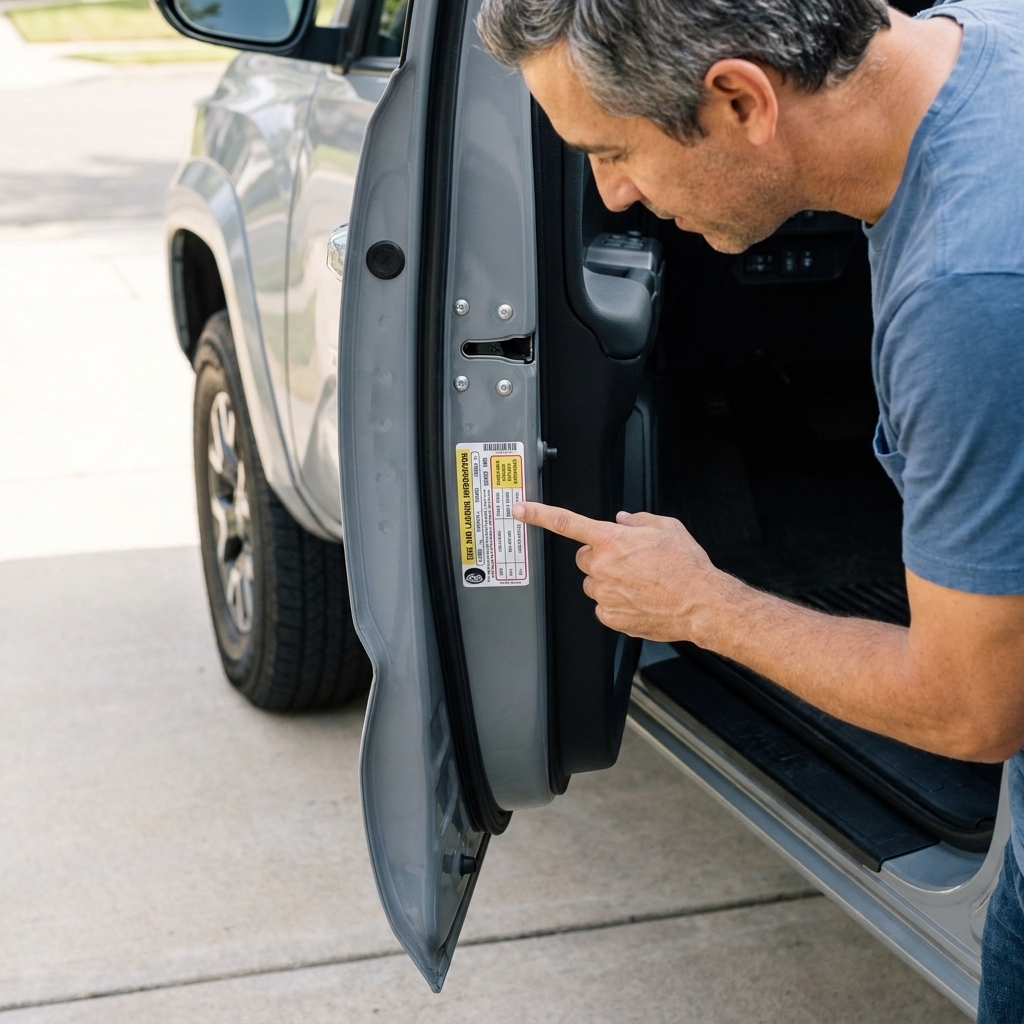
- Find the tire and loading sticker on the driver door jamb. Look for “The combined weight of occupants and cargo should never exceed …” That is your real-world payload as equipped.
- Estimate tongue or pin weight: travel trailers commonly land at 10 to 15 percent of loaded trailer weight, and fifth-wheels are commonly 15 to 25 percent (pin weight). Those are starting points, not gospel. Loading can push you outside those ranges.
- Remember what counts against payload: people, dogs, coolers, bed cover, toolbox, hitch hardware, and tongue or pin weight.
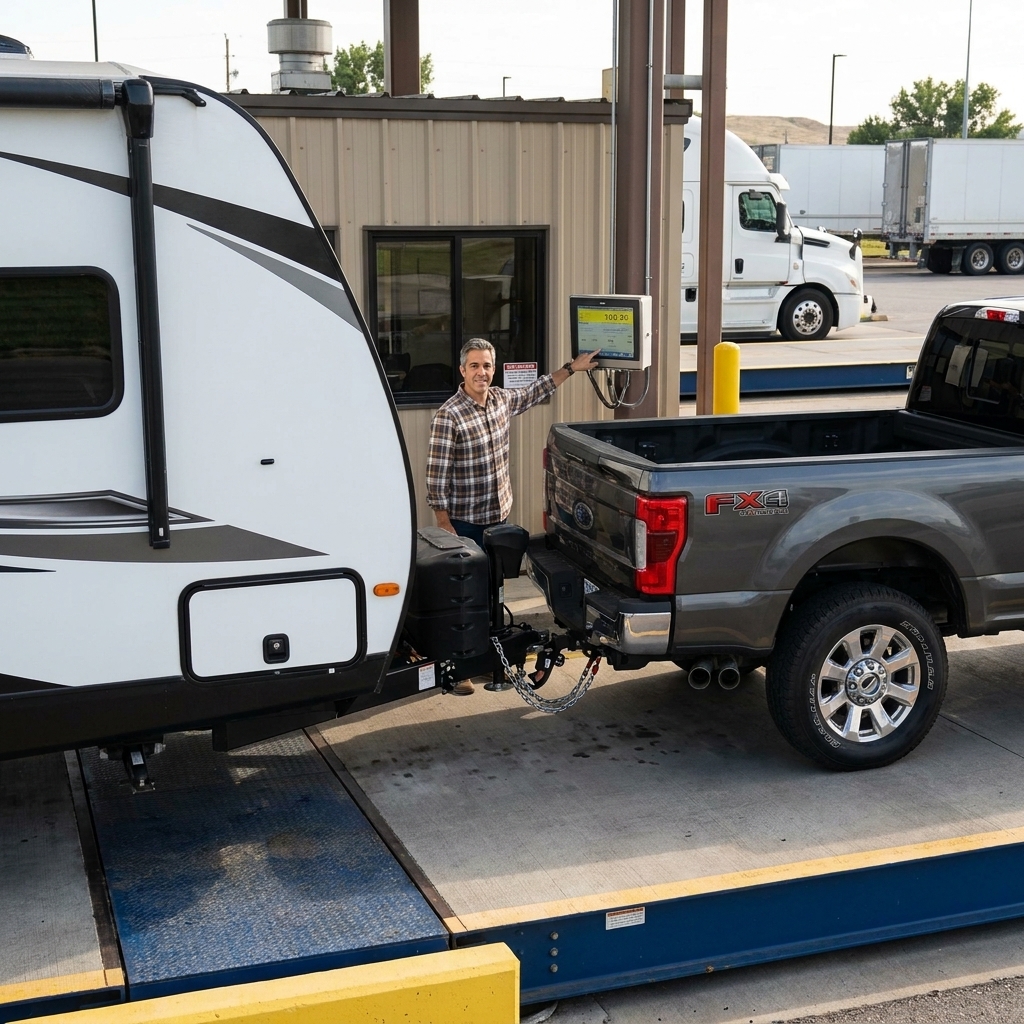
Scale beats guesses: the most honest way to know tongue weight and axle loads is to weigh the truck and trailer. If you are serious, plan a CAT scale trip once you are close to buying.
2) Confirm it can be set up safely
Make sure the truck has enough rear axle rating and tire capacity for the load. You can upgrade tires within reason, but you cannot change the certified GAWR printed on the door sticker. Exceeding it is a safety and liability problem, even if you never get pulled over for it.
3) Check GCWR and hitch limits
Tow rating is not the only ceiling. Look up GCWR (combined truck and trailer weight rating) for that exact engine, axle ratio, and drivetrain. Then compare it to what you will actually weigh loaded. Also confirm the receiver hitch rating and the weight distributing rating if you will use a weight distribution hitch.
Factory tow package
Dealers and private sellers throw around “tow package” like it is a vibe. For towing, you want the actual hardware and cooling that came with it.
What to look for on the truck
- Receiver hitch rating label: check the sticker or stamping for weight carrying and weight distributing ratings. Rust is fine. Missing labels and mystery aftermarket receivers deserve a closer look.
- 7-pin trailer plug: a real tow setup should have a 7-way RV plug at the bumper. A 4-flat only often means the truck lived a light-duty life.
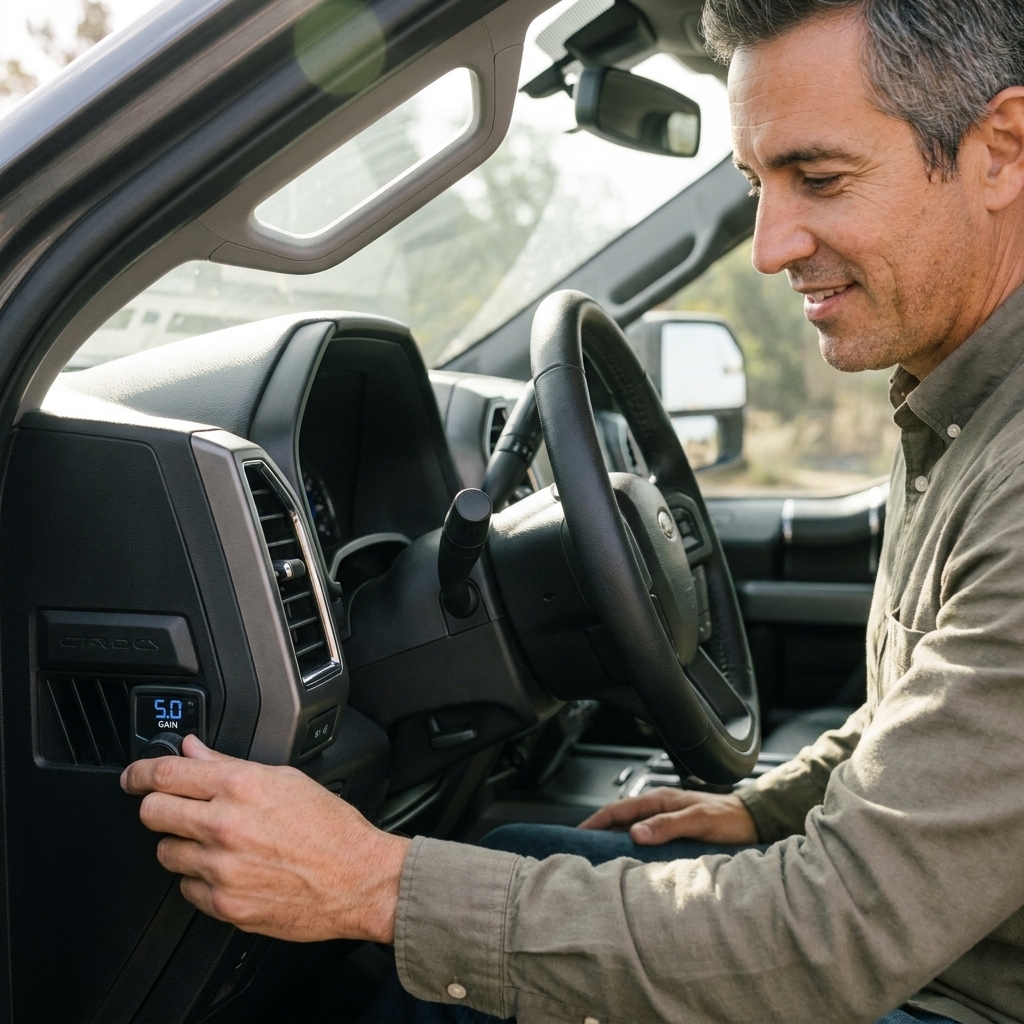
- Integrated trailer brake controller: factory units are typically better integrated with dash readouts and, on many newer trucks, ABS and stability systems than many universal add-ons.
- Tow mirrors: not required, but often a clue the truck was optioned to pull.
- Cooling upgrades: this is the big one, and we will dig into it below.
Quick sanity check: Ask for a photo of the build sheet or window sticker if the seller has it. If not, run the VIN through a dealership parts counter or reputable VIN option decoder and confirm tow package codes.
Axle ratio and gearing
Two trucks with the same engine can feel completely different towing because of axle gears. Lower (numerically higher) gears like 3.73 or 4.10 help the truck stay in the powerband, reduce transmission hunting, and improve control on grades. Higher gears like 3.08 or 3.23 can be great for commuting but can feel lazy under a heavy trailer.
With modern 8 to 10 speed transmissions, axle ratio does not make or break a truck the way it did with 4-speeds. It still matters for towing feel, heat, and how hard the transmission has to work, especially with larger tires.
How to check the ratio
- Door jamb axle code: many trucks list an axle code that you can decode online.
- RPO codes (common on GM): check the glove box or door area for axle codes.
- Metal axle tag: some axles have a tag with the ratio.
- VIN build data: a dealer can confirm the ratio by VIN.
What ratios usually tow well?
There is no one best, but here is a practical rule of thumb:
- Half-tons towing often: 3.73 or 4.10 tends to feel better, especially with larger tires.
- Three-quarter and one-tons: 3.73 is a common sweet spot, 4.10 or 4.30 shines with heavy trailers or big tires.
If you plan to tow in hills or at altitude, favor the towing gear option. It is the cheapest towing upgrade you cannot realistically add later without spending real money.
Cooling and transmission
Towing rarely kills a healthy engine overnight. Most of the expensive early failures I see are heat-related: cooling systems that cannot keep up and transmissions that get worked past their comfort zone.
Transmission cooler inspection
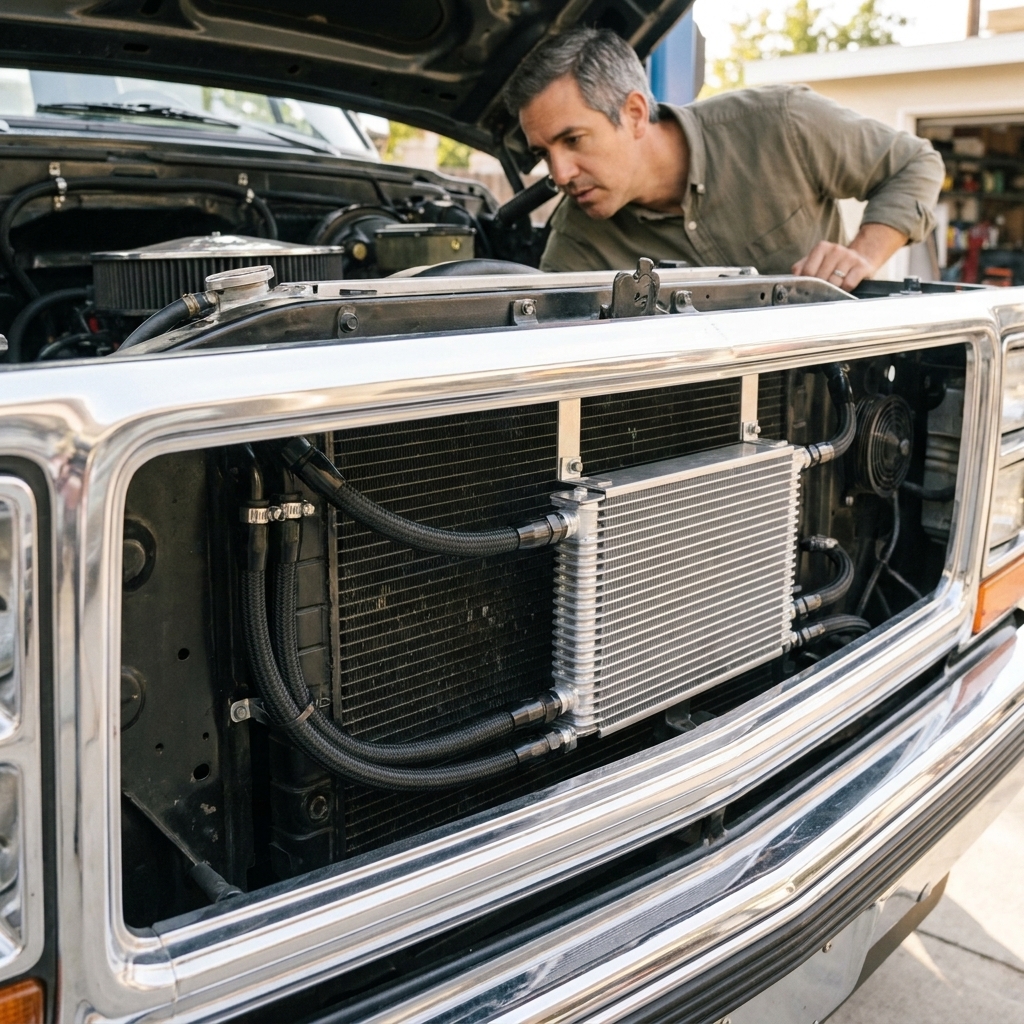
- Look through the grille for an auxiliary cooler in front of the radiator or AC condenser. Many tow packages include a larger or additional cooler.
- Check cooler lines for seepage, kinks, rubbing, and fresh wet spots.
- Inspect the radiator end tanks for crusty coolant residue or staining. Overheating and coolant loss show up here.
- Radiator and condenser fins: bent, packed, or oil-soaked fins hurt cooling capacity.
Engine cooling and turbo basics
- Fan clutch or e-fan behavior: if the truck has a mechanical fan clutch, listen for it to engage when hot. If it is electric, confirm it cycles normally and does not throw warnings.
- Coolant condition: low coolant, sludge, or mixed coolant types can signal neglect or a band-aid repair.
- Turbo plumbing (if equipped): inspect intercooler boots and clamps for oil misting, splits, or loose connections that can become boost leaks under load.
Test drive: watch behavior, not marketing
- Shifts should be clean under light and moderate throttle. Flare shifts, delayed engagement into Drive, or shuddering under load are expensive red flags.
- Transmission temperature: if the truck has a trans temp readout, use it. Temps climb on long grades, but they should not spike quickly in normal driving.
- Sealed transmissions: many newer trucks have no dipstick. In that case, maintenance records, scan data, and overall shift quality matter more than hoping to “check the fluid.”
My rule: If the seller says “it just needs a fluid change,” treat it like a worst-case transmission problem until proven otherwise by records and a clean drive.
If it is a diesel with an exhaust brake, confirm it actually works. A functioning exhaust brake is not just convenience. It is downhill control and brake life.
Frame, hitch, and rust
A used tow truck can look great up top and be tired underneath. Frame condition matters because towing loads the rear of the frame, hitch crossmember, spring hangers, and shock mounts over and over.
Where to look underneath
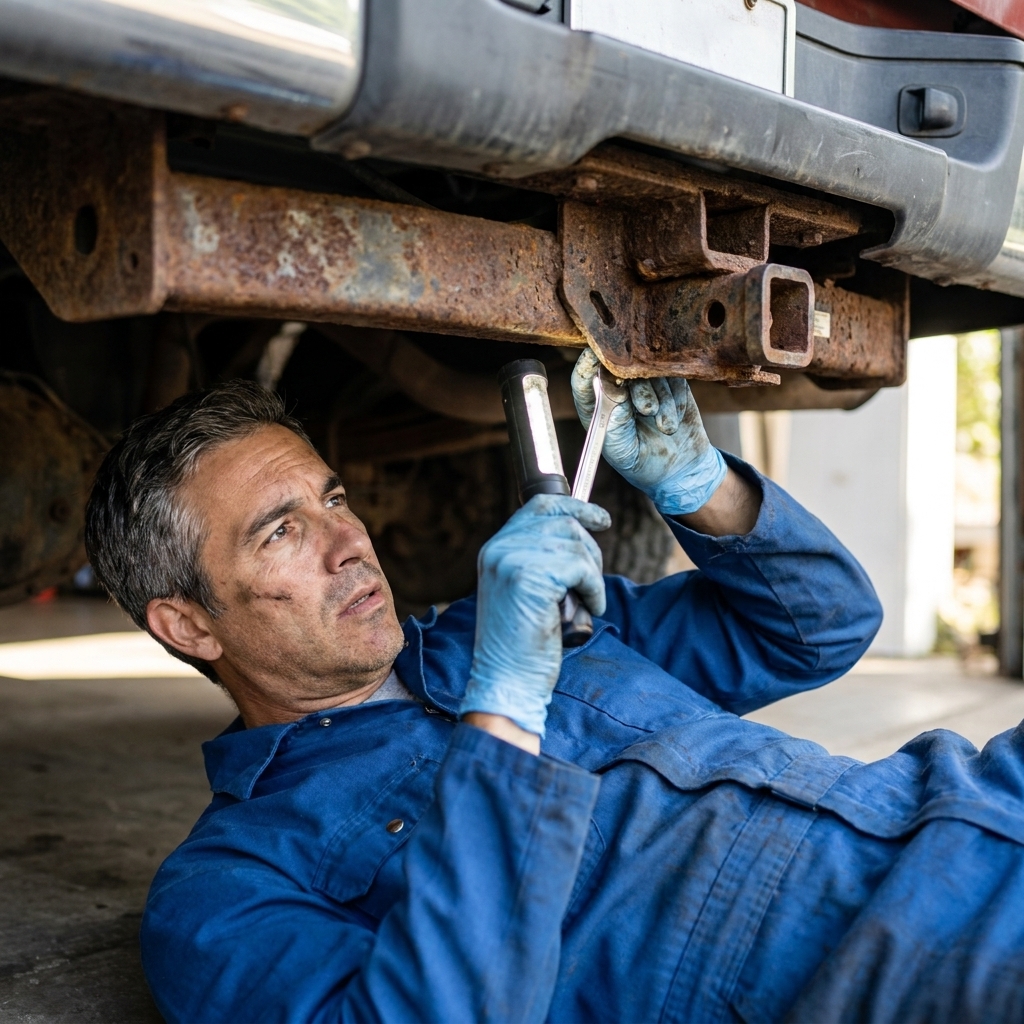
- Receiver hitch mounting points: check for cracks, bent brackets, egg-shaped bolt holes, missing hardware, and fresh paint that looks like it is hiding repairs.
- Rear crossmember: heavy rust scaling here is a common deal killer in salt states.
- Spring hangers and shackles: look for rot around mounts and sloppy bushing wear.
- Cab mounts and body mounts: rust here is more than cosmetic.
- Brake and fuel lines: heavy corrosion, wet spots, or patched sections are warning signs.
Rust scale vs surface rust
Surface rust is normal. Scale you can flake off in chunks, especially around suspension mounts and crossmembers, is where towing safety gets compromised.
If you can, bring a small flashlight and a flat screwdriver. If your screwdriver goes through something structural, that is your answer.
Hitch type specifics
How the truck was set up to tow matters as much as what it can tow on paper.
Bumper-pull and weight distribution
- Confirm WD rating on the receiver if you will use a weight distribution hitch. Some receivers have different limits for weight carrying vs weight distributing.
- Look for receiver abuse: elongated pin holes, bent safety chain loops, and twisted receiver tubes point to hard use or improper setup.
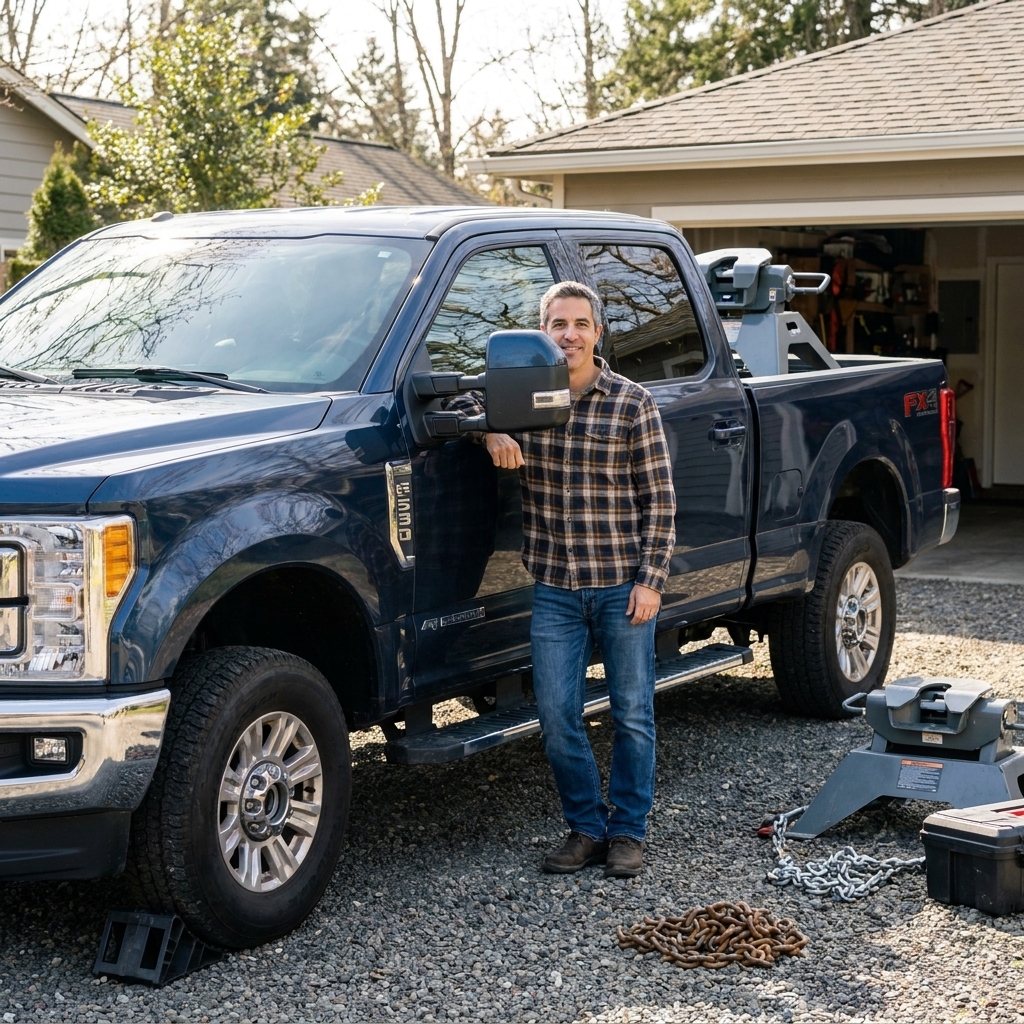
Fifth-wheel and gooseneck
- Bed mounting: check rails or puck systems for cracked brackets, loose hardware, or wallowed-out holes.
- Bed floor deformation: ripples, dents, or a “dished” bed floor around mounts can mean it hauled heavy pin weight.
- Wiring: look for a clean in-bed 7-way if it was used for a fifth-wheel. Sloppy wiring in the bed is a clue the rest of the work may be sloppy too.
Rear axle and driveline
Axles live a hard life towing, especially if the truck spent time near max combined weight with big tires and skipped fluid services.
What to check
- Differential leaks: look at the pinion seal area and the diff cover. Wet is not great, but wet plus grime usually means it has been leaking a while.
- Whine on decel: during the drive, a gear whine when you let off the throttle can mean ring and pinion wear.
- Clunk into Drive or Reverse: can be driveshaft slip yoke wear, U-joints, or diff backlash.
- U-joints: look for rust dust around caps and any play.
If the truck has a limited slip or locker, make sure it behaves normally in tight turns. Binding, chatter, or banging is worth diagnosing before you buy.
Suspension and steering
A slightly loose front end can feel fine empty and feel downright sketchy with a trailer pushing on it.
Check these common wear points
- Shocks: oily residue on the shock body usually means they are done.
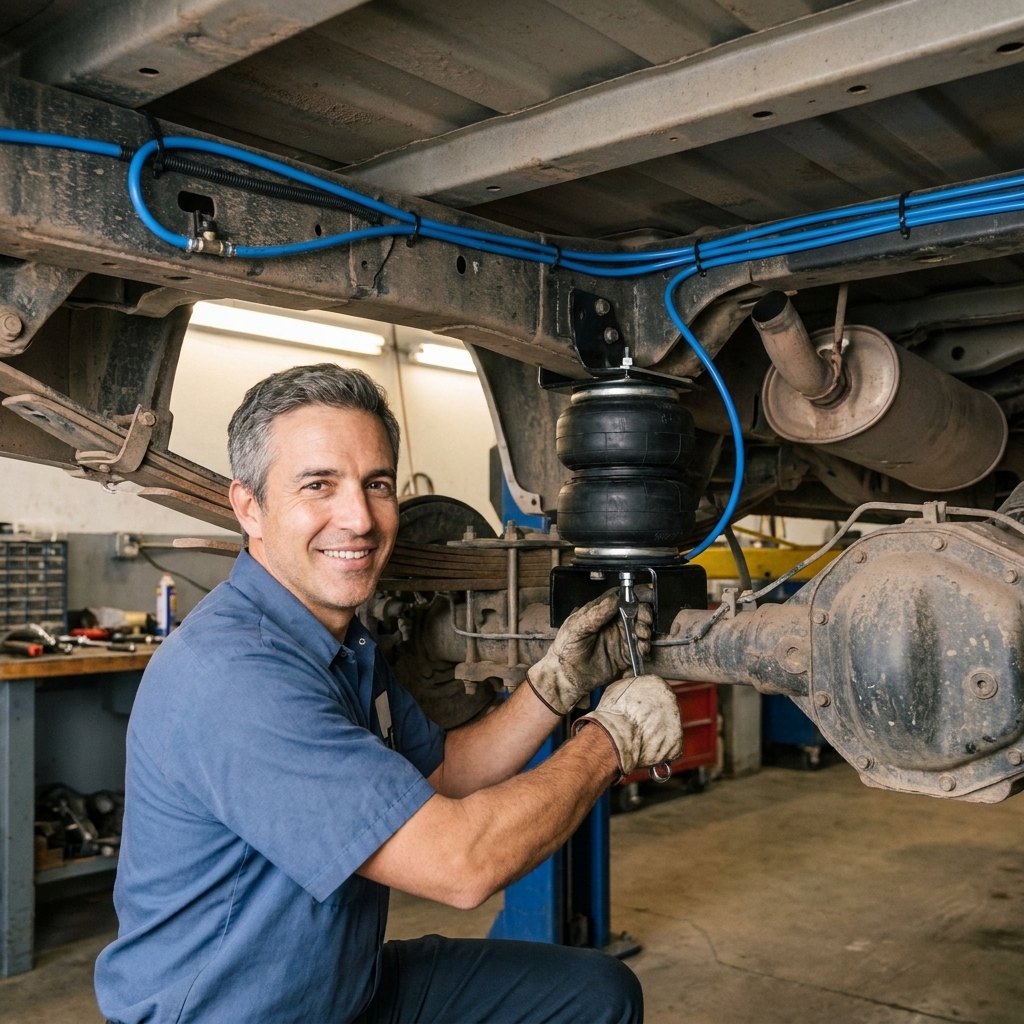
- Rear springs: look for broken leaves, sag, or uneven ride height side to side.
- Front end play: ball joints, tie rods, idler arms, and pitman arms on some platforms wear faster with bigger tires and towing.
- Steering wander: on the test drive, if it cannot hold a lane without constant correction, plan on steering work.
Aftermarket leveling kits are not automatically bad, but they are a reason to inspect more carefully. A nose-up truck that “looks right” in a parking lot can end up with less caster and worse towing manners.
Brakes and tires
Your trailer should have properly working brakes, but the truck still needs to be 100 percent.
Brake checklist
- Pedal feel: should be firm and consistent. A soft pedal can mean air in the system, fluid issues, or failing components.
- Brake fluid: look at the reservoir. Very dark fluid suggests long intervals and moisture contamination.
- Rotors and pads: heavy lip on rotors, deep grooves, or uneven pad wear can signal caliper issues.
Tires matter more than most people think
- Load range: confirm the tire’s load rating is appropriate for towing. Many half-tons come with passenger-rated tires that feel squirmy with tongue weight.
- Age: check the DOT date code. Old tires with good tread still fail when worked hard.
- Uneven wear: can signal alignment issues, worn suspension, or a history of overload.
Electrical and connections
Towing adds electrical demand and exposes wiring to weather, salt, and hitch swaps.
What to test
- 7-way plug condition: look for green corrosion, loose pins, or a cracked socket.
- Trailer brake controller function: if possible, hook up to a trailer and confirm it applies brakes smoothly.
- Charge line and running lights: intermittent issues can be a sign of hacks in the wiring.
- Backup camera and trailer assist features: nice to have, but only if they work reliably.
If you see a bundle of scotch-lock connectors or household wire nuts anywhere near the hitch wiring, budget time and money to redo it properly.
Towing history clues
A truck that towed regularly is not automatically a bad buy. A truck that towed regularly and was maintained like a tow vehicle can be a great buy. You are looking for evidence of care.
Normal towing clues
- Brake controller scuffs, hitch wear, and some bed scratches.
- Auxiliary mirrors or drilled mounting points for tow mirrors.
- Weight distribution hitch marks on the receiver.
Red flags
- Rear end squat memory: overloaded trucks often show sagging rear springs and tired shocks.
- Burnt ATF smell or “rebuilt transmission” with no paperwork.
- Cracked receiver welds or repaired frame sections near the hitch.
- Chopped wiring from repeated hitch swaps and trailer plug changes.
Test drive
Test driving a tow vehicle is not about a fast merge. It is about heat management, shift quality, steering stability, and brake confidence.
My simple route
- Cold start: listen for ticks, knocks, and timing chain rattle. Watch for smoke and rough idle.
- City streets: check for clunks over bumps and smooth braking.
- Highway: hold steady speed and watch for gear hunting.
- A decent hill: watch temperatures and downshift behavior.
- Parking lot: full-lock turns to listen for CV or axle noises, and feel for binding if equipped with a locker.
If you can safely do it, a short drive with your trailer hooked up tells you more in 15 minutes than any sales pitch will in an hour.
Weigh it
If the numbers are close, stop guessing and weigh it. A CAT scale ticket can tell you if you are actually buying a comfortable tow rig or a truck that is already living on the edge.
A practical weigh plan
- Truck only: get a baseline weight with a full tank and the typical people and gear you tow with.
- Truck and trailer: weigh with the trailer loaded the way you camp or haul.
- Compare axle weights: pay attention to rear axle load and total combined weight. This is where payload math meets reality.
Paperwork that matters
- Maintenance records: transmission service, differential fluid changes, coolant flushes, and brake service are the big ones.
- Receipts for major repairs: a replaced transmission is not a deal breaker if the work was done right and documented.
- Recalls: confirm they were completed, especially for brake, steering, and trailer brake related recalls.
- Mod list: ask what is tuned, deleted, lifted, or regeared. Mods are not evil, but unknown tuning plus towing is where expensive surprises live.
Quick checklist
- Door sticker payload makes sense for your trailer’s real tongue or pin weight.
- GCWR and receiver ratings match your plan.
- Confirmed axle ratio matches your towing plan.
- Real tow package hardware: 7-way, receiver rating, brake controller, cooling upgrades.
- Transmission shifts clean, no shudder, temps reasonable if displayed.
- Aux transmission cooler present and lines are dry.
- Frame and hitch mounting points solid, no cracks, no scary scale rust.
- Rear axle dry and quiet, no whine or hard clunks.
- Suspension tight, truck sits level, no excessive wander.
- Brakes feel strong, fluid not neglected, tires load-rated and not ancient.
- Tow wiring is clean and un-hacked.
FAQ
Is it better to buy a truck that never towed?
Not always. A truck that towed occasionally can be great, but a truck that towed often with excellent maintenance can be even better. I would take “towed a lot, serviced on time” over “never towed, never serviced” every day.
Do I really need a transmission cooler?
If you tow anything substantial in heat, hills, or stop-and-go traffic, yes. Heat is the enemy. A proper cooler setup is cheap insurance compared to a transmission rebuild.
Can I add a tow package later?
You can add a hitch, brake controller, and wiring. What you cannot easily add is the factory-level cooling, integrated programming, and sometimes alternator or radiator upgrades that come with certain packages. That is why verifying the original equipment matters.
What is the biggest deal killer on an older tow rig?
Structural rust around the rear frame, crossmembers, and suspension mounts. Engines can be replaced and transmissions rebuilt. Rusted structure is where trucks retire.
How do I know my tongue weight is right?
Rules of thumb get you in the ballpark, but a scale settles it. Measure tongue or pin weight and check axle weights. The trailer can be within its rating and still overload your payload if the hitch weight is high.