Hey there, and welcome to TowVox. I’m Ben Hollister, and if you’re here because towing feels confusing, truck specs make your eyes glaze over, or you just want to be 100% sure your setup is safe, you’re in the right driveway.
I’m a former heavy-duty fleet mechanic. I’ve also worked as a fleet manager, and I’m a lifelong truck enthusiast. I’ve spent well over 15 years hauling, towing, troubleshooting, and turning wrenches. I built TowVox for everyday drivers who want straight answers, practical steps, and a little confidence before they hit the on-ramp with a trailer behind them.
In a sentence: I help you match the numbers to the real world, set your gear up correctly, and avoid the mistakes that make towing stressful.
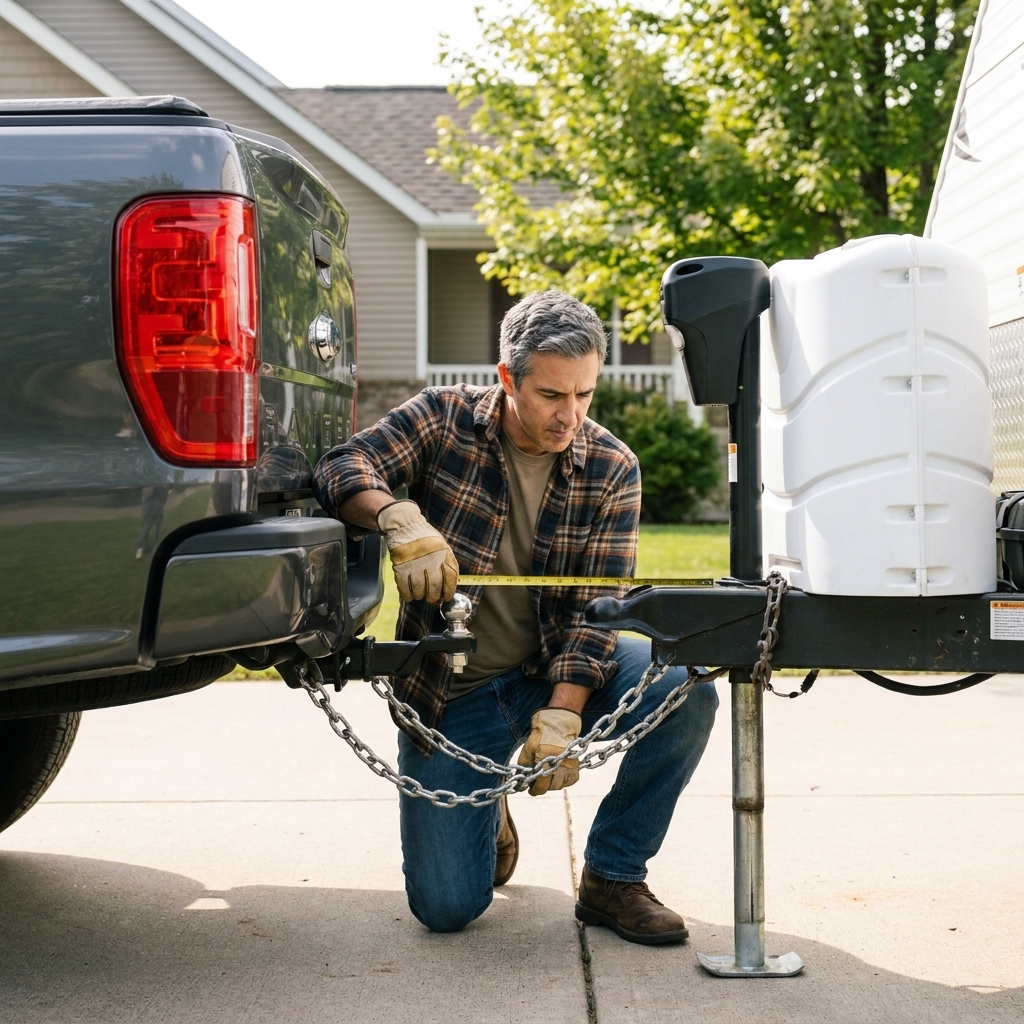
My background
I grew up on a working farm in Ohio, where you learn quickly that equipment has to work when it’s needed. When something fails, you fix it, you do it right, and you try not to break it again tomorrow.
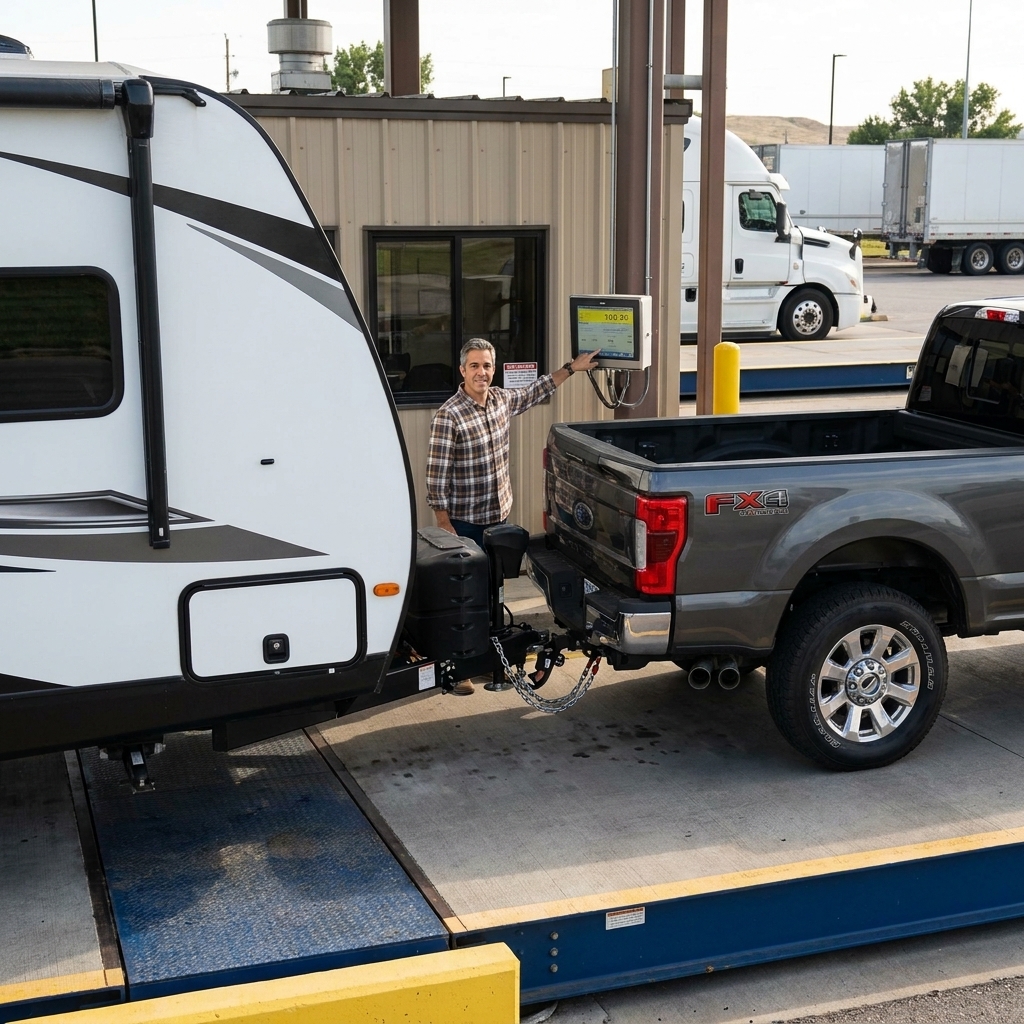
That mindset stuck with me. I went on to spend about a decade as a fleet manager for a regional construction company, overseeing maintenance and towing setups for 40-plus work trucks. That meant everything from preventive maintenance schedules to diagnosing strange noises under load, to setting up trucks for real-world towing jobs where the numbers on paper have to match the weight on the scale.
Why TowVox exists
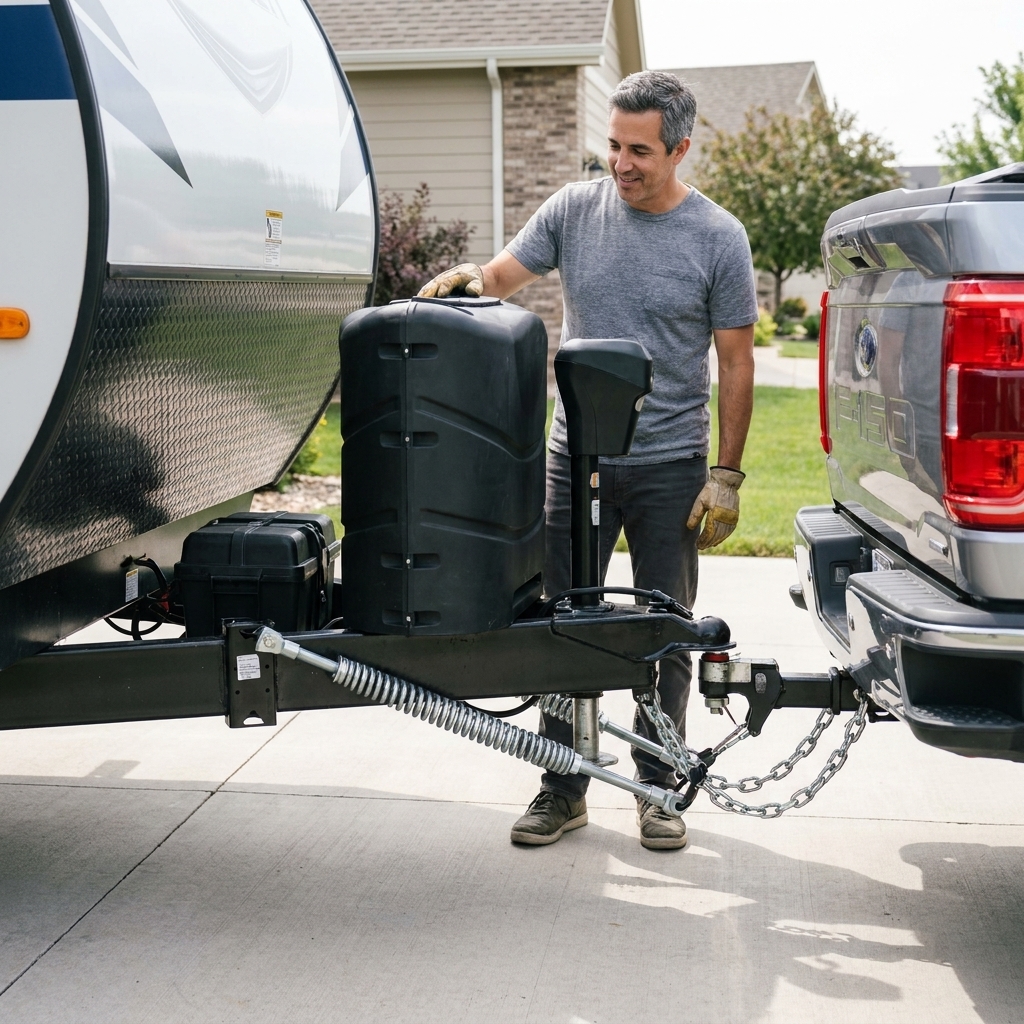
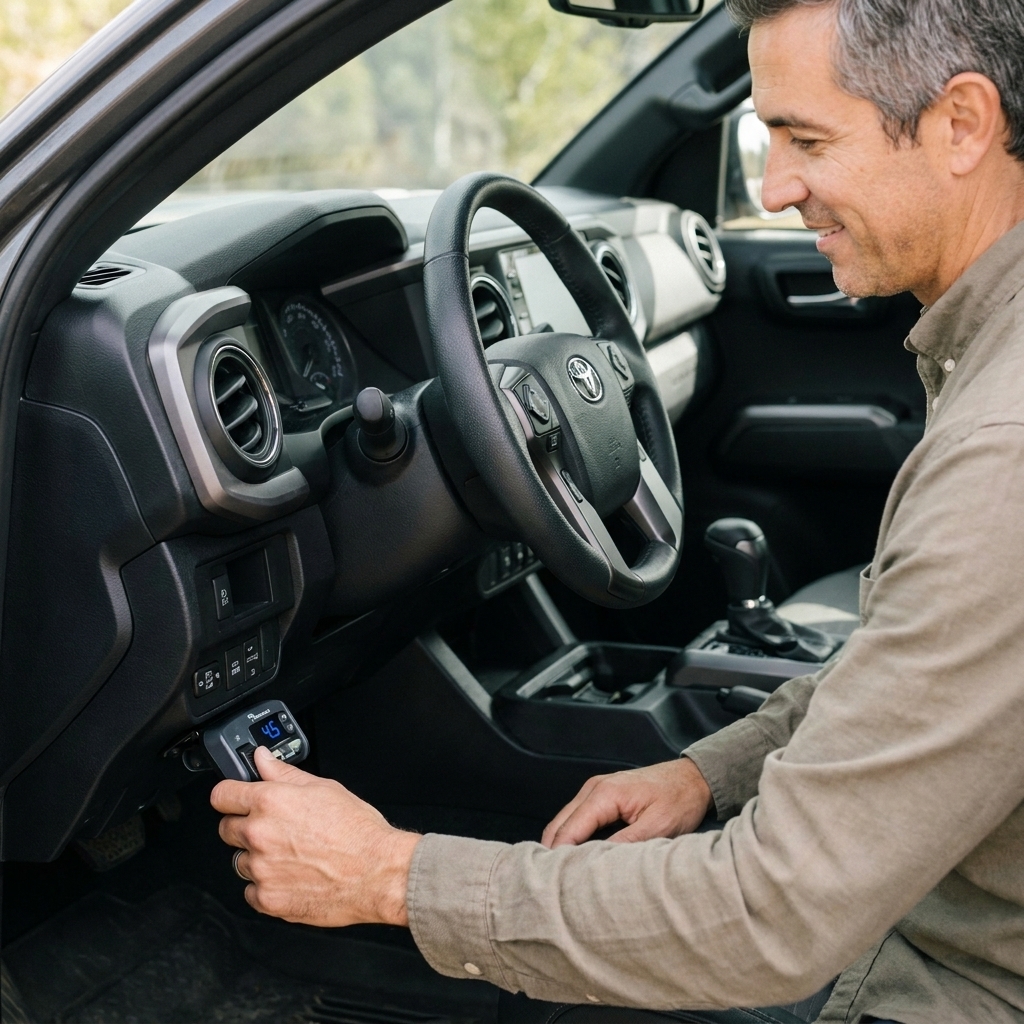
TowVox started with something I kept seeing on the highway: mismatched truck-and-trailer setups that were just a little off. A half-ton pickup squatting hard under a tongue-heavy trailer. A weight distribution hitch that was installed, but not actually set up. Tires that looked fine at a glance, right up until you noticed the sidewalls working overtime. Brake controllers that were wired in, but never truly dialed in.
Most of the time, it wasn’t reckless. It was information overload. Payload, GVWR, GCWR, tow rating, tongue weight, axle ratings, hitch classes, tire load indexes. It can feel like you need an engineering degree just to tow a camper to the mountains.
And stability is rarely one single thing. Loading, speed, crosswinds, grades, heat, and tire pressure can turn a “fine on paper” setup into a white-knuckle drive in a hurry. The hitch and brake controller matter a lot, but they are part of the whole picture.
So I decided to create a judgment-free space where folks can learn the basics and the details without getting talked down to. If you’re brand new to towing, I’ll meet you where you are. If you’ve towed for years but want to tighten up your setup, I’ll help you do that too.
My philosophy is simple: safe towing is not about being perfect. It is about understanding the limits, setting up your gear correctly, and checking the stuff that actually fails on the road.
What you’ll find here
TowVox is built around practical, real-world help you can use in your driveway, at the parts counter, or at the campground. I write the kind of guidance I wanted when I was learning, and the kind I used to give to drivers who were putting company trucks to work.
Sometimes I’m writing from hands-on experience. Sometimes I’m digging into manuals, manufacturer labels, service info, and trusted industry references to double-check the details. When there’s a conflict, I prioritize the ratings on your truck and trailer, and what the owner’s manuals actually say, over marketing headlines.
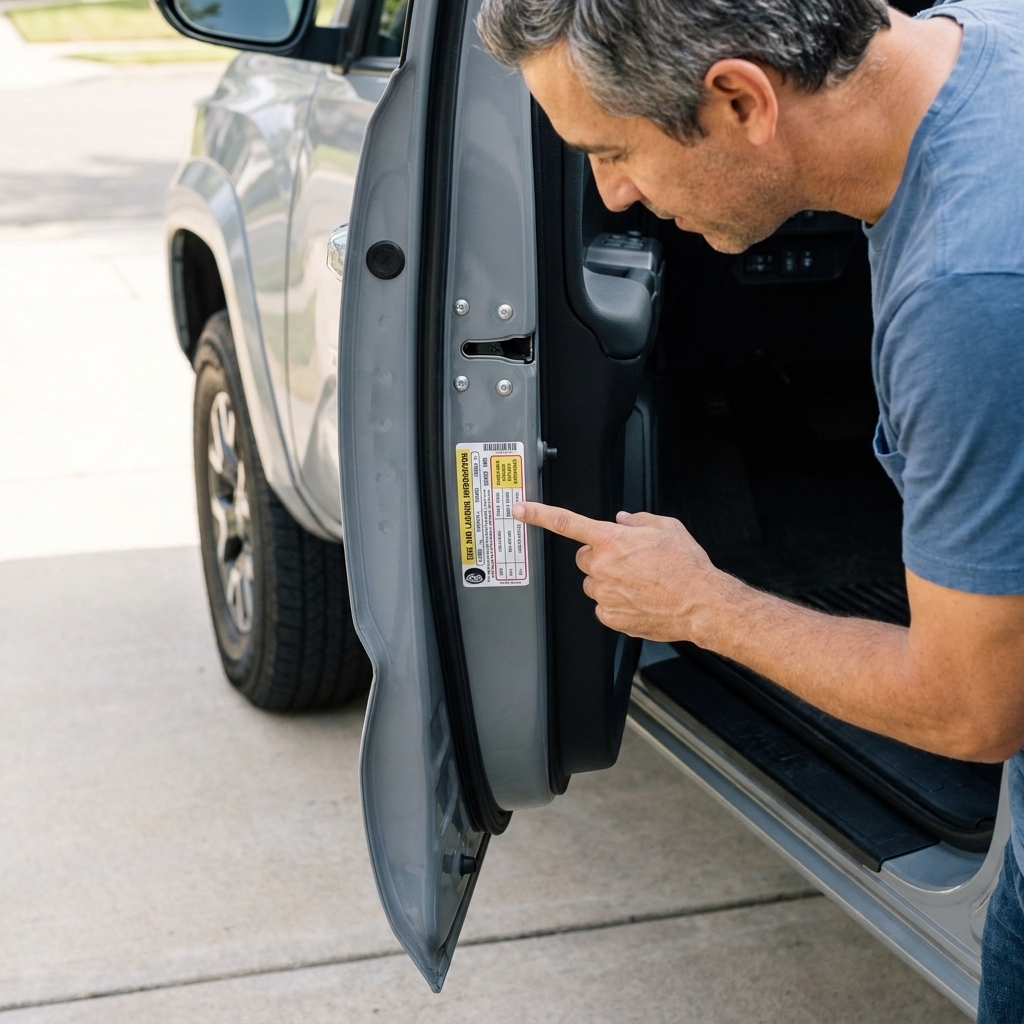
If you want one easy place to start, open your driver’s door and read the yellow tire and loading information sticker. That payload number is the one most people run out of first.
What I cover most
- Towing capacity and payload math, explained in plain language (no jargon soup)
- Trailer setup, including weight distribution hitches, sway control, and brake controllers
- Truck maintenance that matters for towing, like brakes, tires, cooling systems, and driveline issues
- Common towing mistakes and how to avoid them before they become expensive lessons
- Road safety habits, like pre-trip checks and what to do when conditions change
If there’s one theme you’ll notice, it’s this: I care about the details that keep you in control. The goal is a setup that feels stable, stops straight, and does not leave you gripping the wheel on every downhill grade.
Start here
- Know your numbers: GVWR, payload, and towing ratings
- Set up your hitch: weight distribution and sway control basics
- Get stopping power: brake controller setup and trailer brake checks
Personal
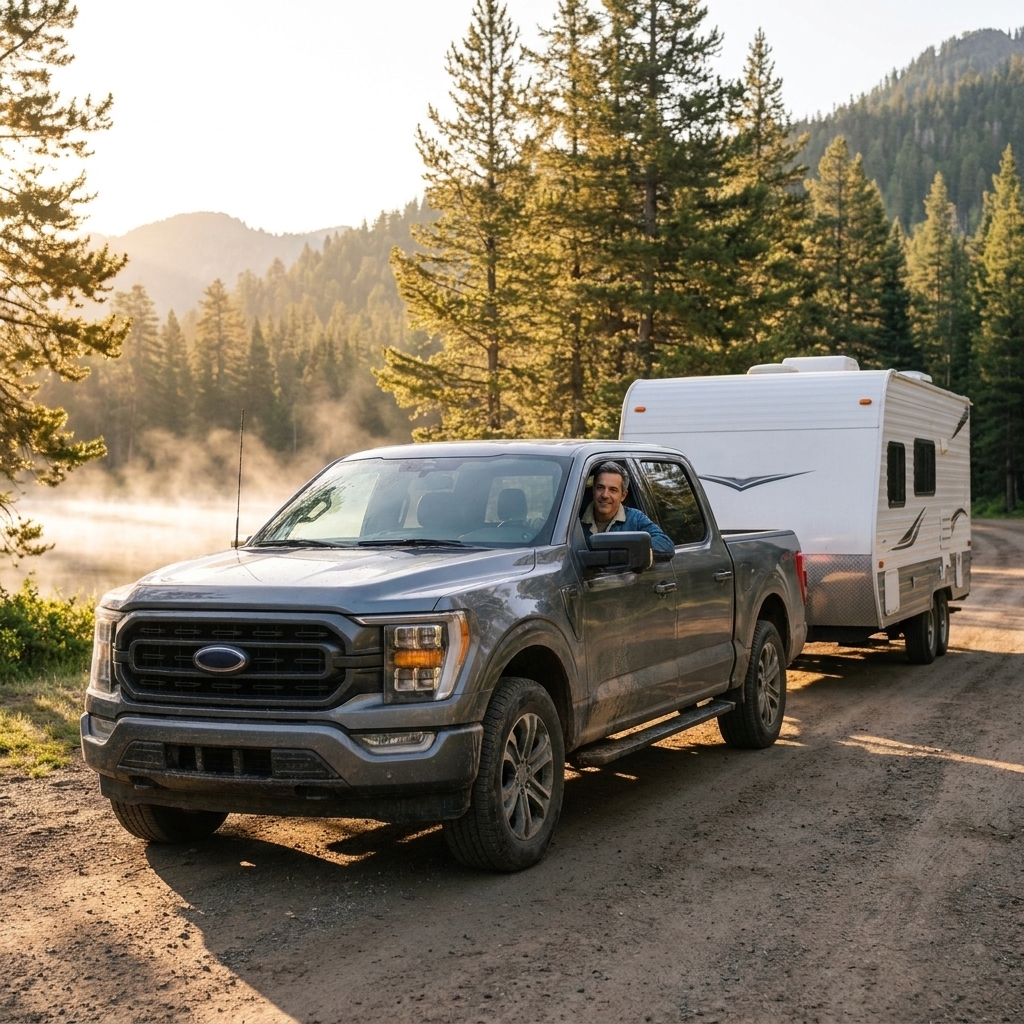
When I’m not digging into towing questions or maintenance topics, I’m usually doing what a lot of you are doing: towing my family’s travel trailer into the mountains with my wife, our two kids, and a spoiled Golden Retriever. The tow rig in our driveway is a Chevy Silverado 2500HD, and it’s earned every bit of trust I put in it.
Family trips are exactly why I take safe towing so seriously. It’s not just about protecting a transmission or avoiding a ticket. It’s about protecting your passengers, the people in the car next to you, and your own peace of mind.
My promise
I’ll keep this simple and honest.
- No shame. Everyone starts somewhere, and even experienced towers miss things.
- No hype. If a product or upgrade helps, I’ll say why. If it’s fluff, I’ll say that too.
- Safety first. If a setup sounds risky, I’ll explain what to check and what to change.
- Real-world thinking. Numbers matter, but so do wind, hills, heat, tire pressure, and loading habits.
- Corrections matter. If specs change or I find a mistake, I update the article so it stays useful.
Disclosure: TowVox may earn a commission from qualifying purchases through affiliate links. I only recommend gear I’d use myself, and it never changes the price you pay.
Also: towing ratings, equipment requirements, and laws can vary by vehicle, trailer, and location. Always verify your specific ratings and follow your owner’s manuals and local regulations. And when in doubt, get real weights on a certified scale and have critical work inspected by qualified pros.
I firmly believe this: if you take care of your truck, your truck will take care of you. TowVox exists to help you do exactly that.
Welcome
Thanks for stopping by. Grab a cup of coffee, poke around, and if you’re trying to figure out a specific towing question, start with the basics: know your ratings, load your trailer with intention, set up your hitch correctly, and do a quick walk-around every time you roll.
See you out there, and tow safely.