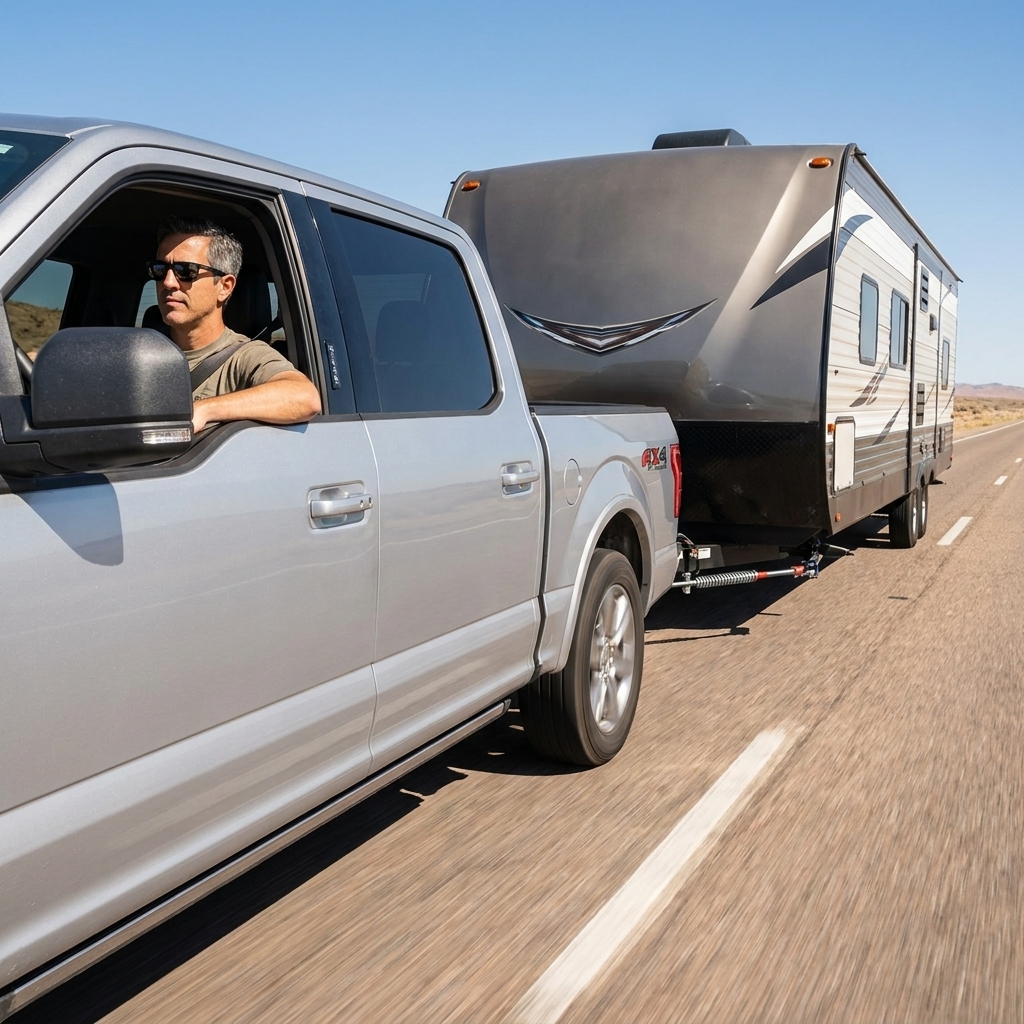
If you have ever watched a trailer fishtail down the highway and thought, “How does that even happen?” the answer is usually boring. Common causes include low tire pressure, a coupler that is not fully latched, a bad plug connection, a strap that looked fine until it wasn’t, or a load that is just a little too far back. Speed, crosswinds, mismatched tires, and a weight distribution setup that is not dialed can also turn “fine” into “white knuckle” fast.
Good towing is mostly good habits. This is the same 10-check walkaround I use before I haul our travel trailer into the mountains or set up a work trailer for one of my old crews. It takes about 10 to 15 minutes once you get a rhythm, and it can save you from a rough drive or a ruined weekend.
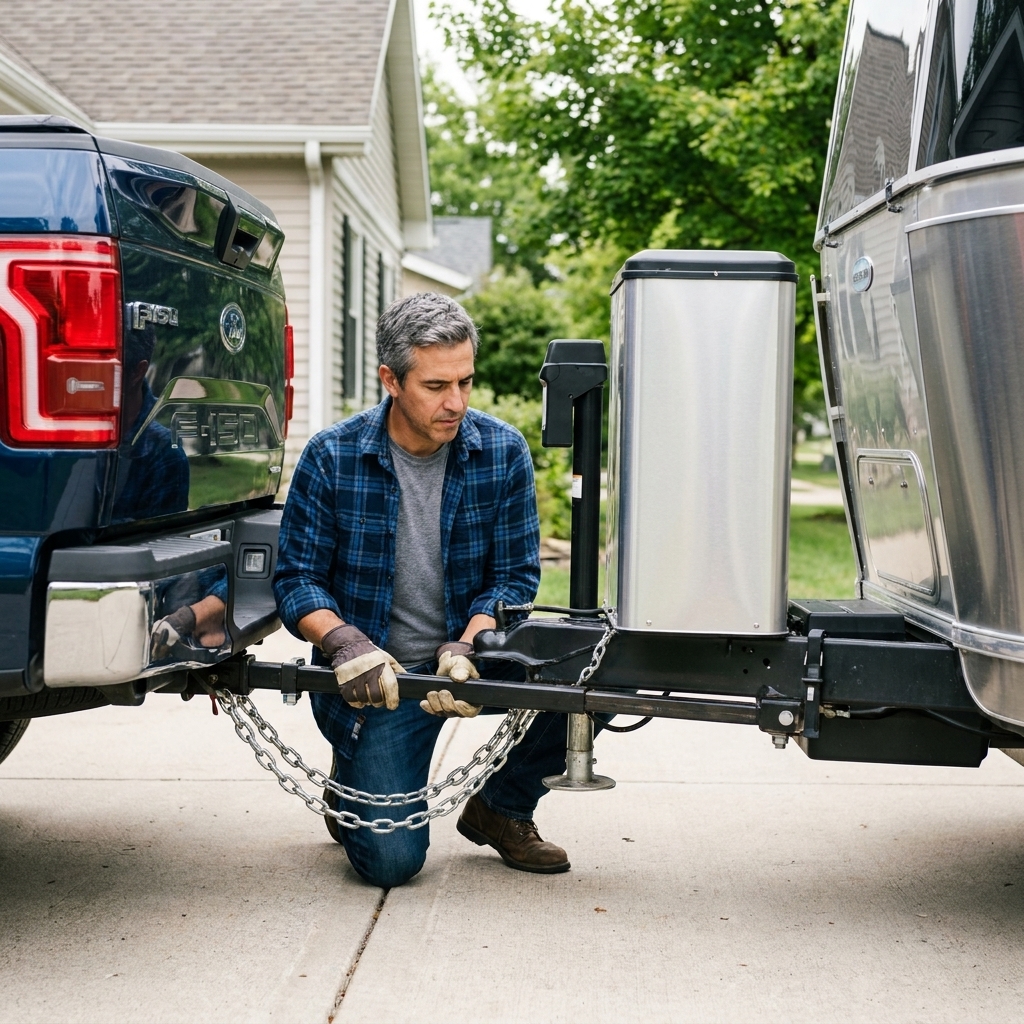
Before you start: park level and slow down
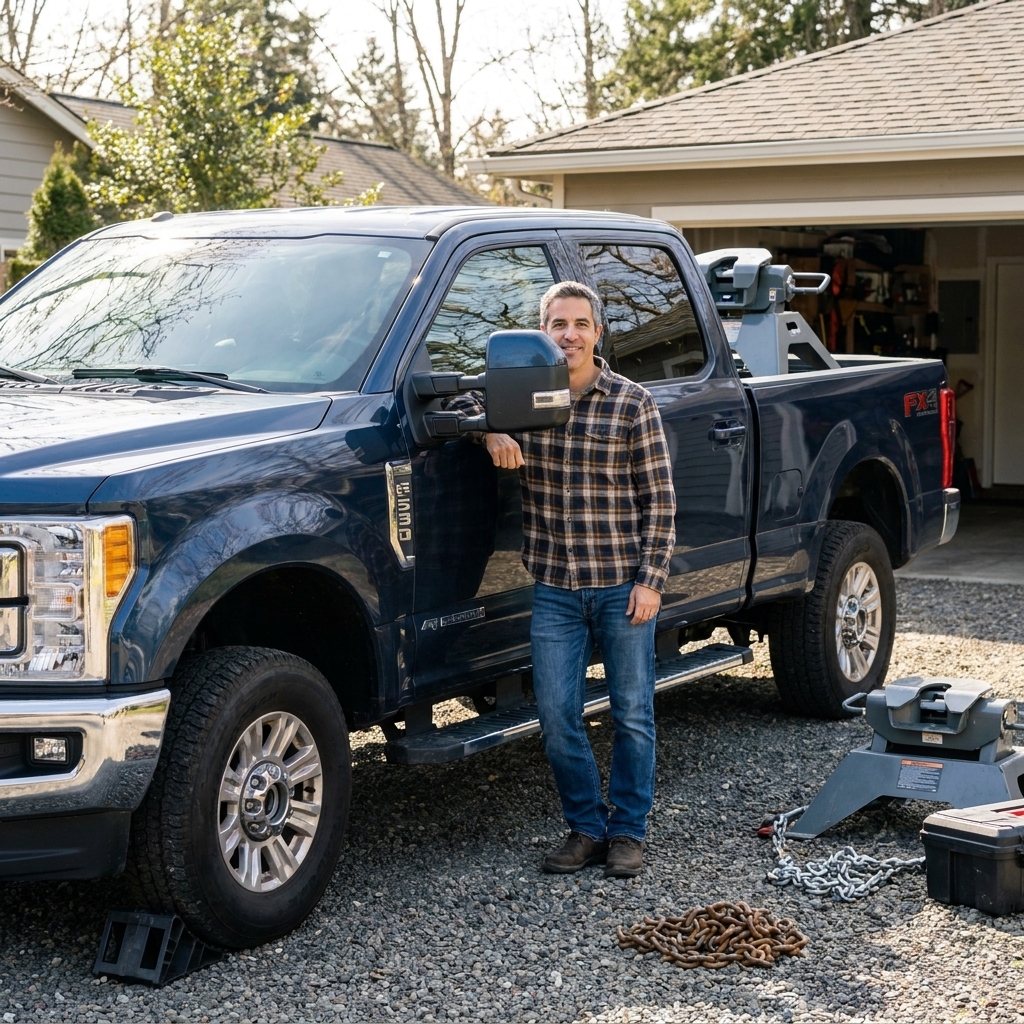
Do your inspection on level ground with the truck in park, parking brake set, and wheels chocked if you are on any kind of slope. If you are towing heavy, take the extra minute. Rushing is how people miss the one lug nut that is backing off.
- Helpful to have: tire gauge, torque wrench, gloves, flashlight, paper towels, and a small bottle of soapy water.
- If you run a weight distribution hitch or sway control: keep the bar tool, pins, extra clips, and the sway control handle where you can grab them quickly.
1) Tire pressure and tire condition (truck and trailer)
If I could only check one thing before a tow, it would be tire pressure. Underinflation builds heat, heat kills tires, and a blown trailer tire can shred wiring and bodywork in seconds.
What to check
- Cold pressures: check before driving. Use the truck door jamb for the truck tires, and the trailer tire sidewall for most ST tires (or the trailer placard if it has one).
- Tread and damage: look for nails, sidewall cracks, bulges, exposed cords, and uneven wear.
- Valve stems: wiggle gently. Dry-rotted rubber stems on trailers are a common failure point.
Neighbor tip: Your trailer tires usually want their full rated PSI, especially on a heavy load. “A little low for a softer ride” is great advice for lawn tractors, not for trailers.
2) Lug nuts and wheel hardware
Lug nuts do not usually fail all at once. They loosen gradually, and you can catch it early if you look and feel for clues.
What to check
- Torque: use a torque wrench to verify lug torque on the trailer and truck if wheels have been off recently.
- Visual cues: rust trails radiating from a lug nut or shiny metal dust around the wheel can indicate movement.
- Hub area: look for grease sling on the inside of the wheel that could point to a seal issue.
Rule of thumb: After any wheel service, re-torque after the first 25 to 50 miles. I have seen brand-new wheels settle and lose torque quickly.
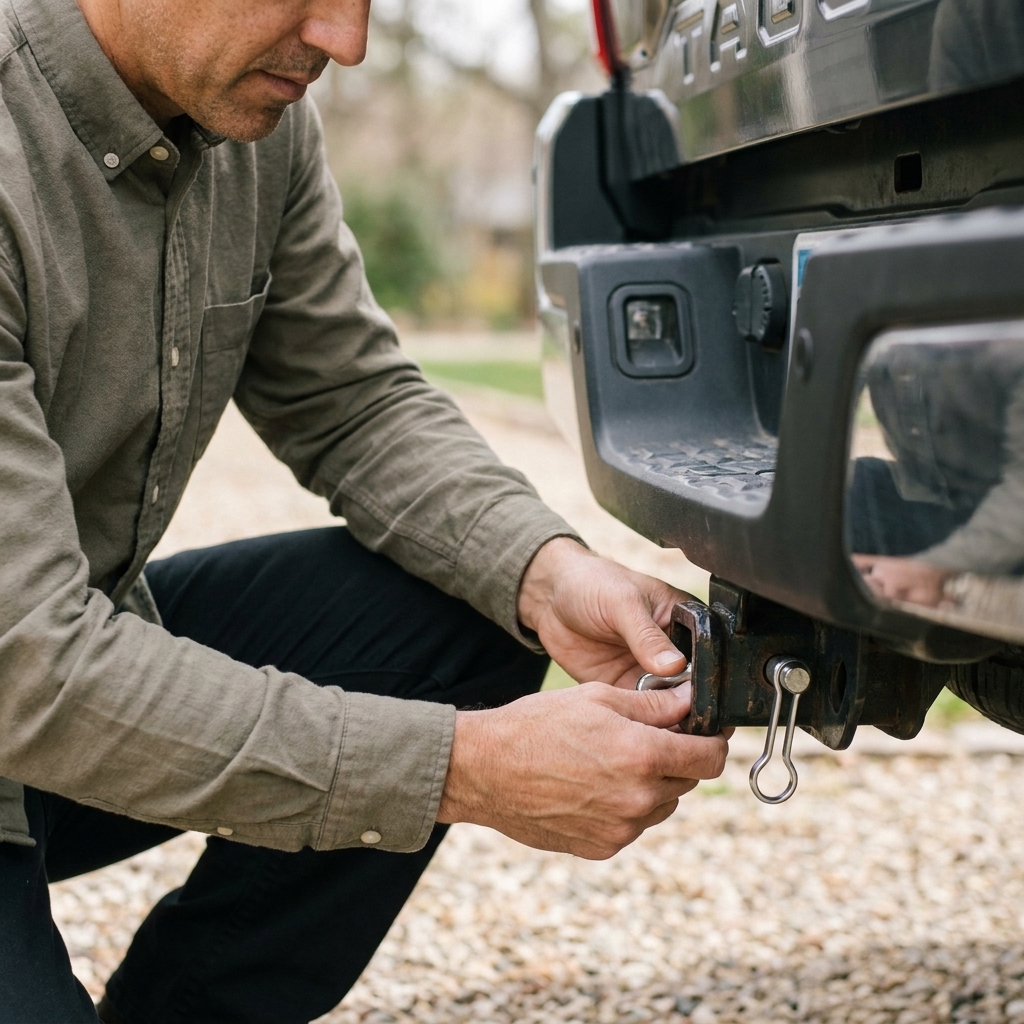
3) Hitch receiver, ball mount, and pins
Your hitch is a chain of parts. The receiver, the hitch pin, the ball mount, the ball, and the coupler all need to be the right class and locked down tight.
What to check
- Receiver and pin: confirm the hitch pin is fully inserted and clipped. If you use a locking pin, confirm it is actually locked.
- Ball size and rating: confirm the coupler size matches the ball (2 inch, 2-5/16 inch, etc.) and the ball and mount are rated for the load.
- Ball nut torque: if your setup allows checking, verify the ball is properly torqued and not spinning.
4) Coupler engagement and safety latch
This is where most “it fell off the ball” stories start. The coupler can look seated and still not be fully latched.
What to check
- Coupler fully seated: raise the tongue jack slightly after latching and see if the truck lifts. If the truck rises, the coupler is seated on the ball.
- Latch secured: confirm the latch is down and pinned or locked. If your coupler has an adjustment nut underneath, make sure it is correctly set.
- Cracks or deformation: inspect the coupler body and welds.
Quick test: With the trailer latched, try to lift the coupler handle. It should not pop up freely if it is properly secured.
5) Safety chains and breakaway cable
Safety chains are not decoration. They are your last line of defense if the coupler fails. The breakaway cable is your emergency brake trigger if the trailer separates.
What to check
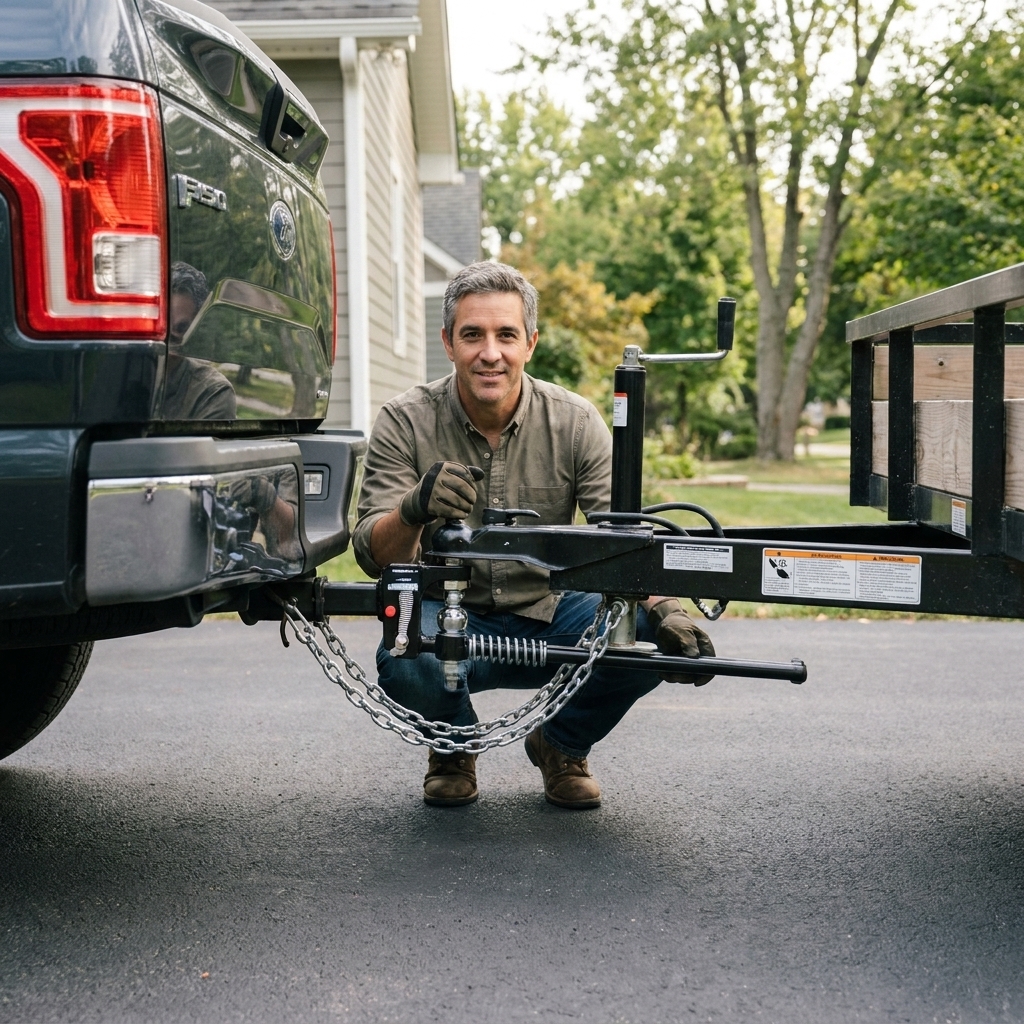
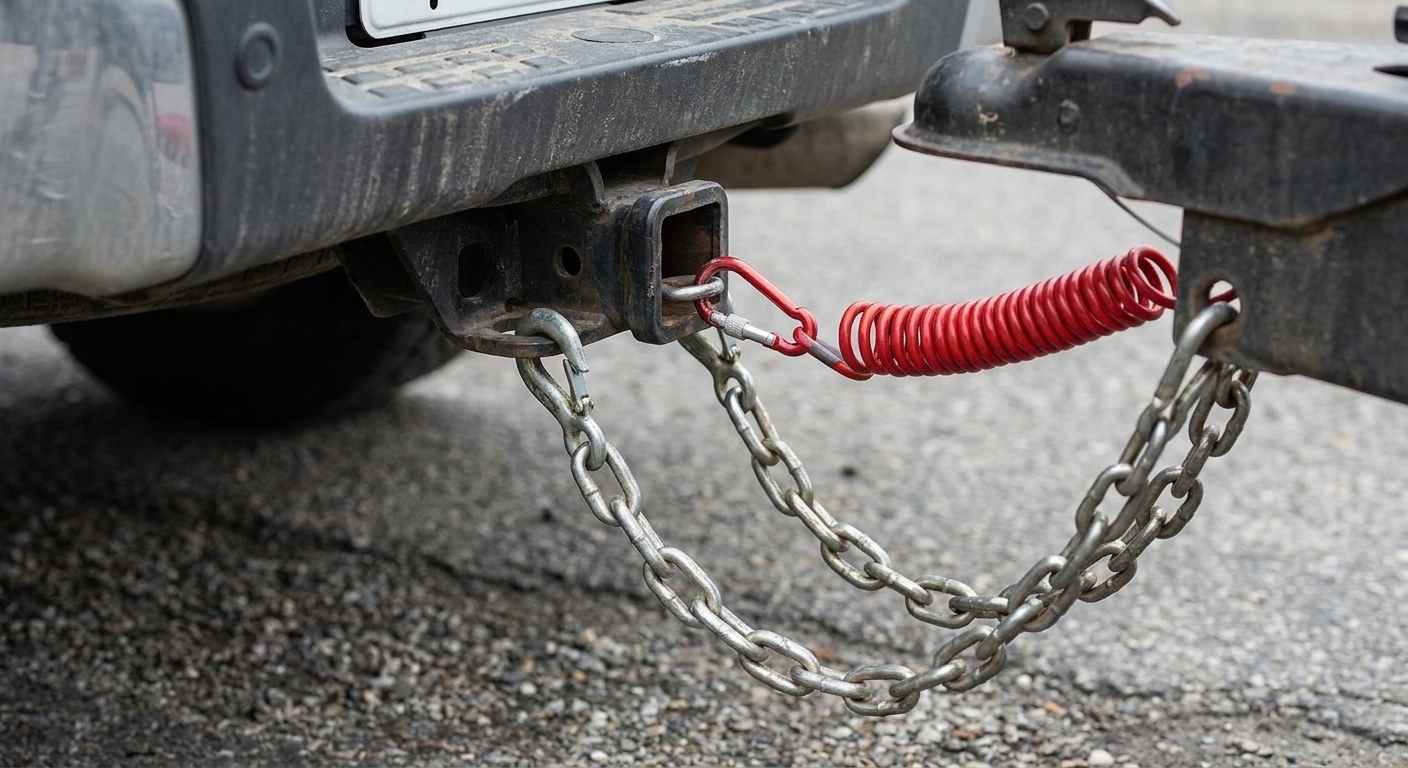
- Chains crossed: cross chains under the coupler to help cradle the tongue if it drops.
- Correct length: enough slack for turning, not so much that chains drag. If they are too long, the best fix is properly sized chains or a chain shortener, not a bunch of creative knots. A twist or two is commonly used to keep chains off the ground, but do not kink or overstress the chain.
- Proper attachment: hook chains to frame-mounted safety chain loops, not to the hitch ball or removable parts.
- Breakaway cable: clip it to a dedicated point on the truck, separate from the chains. Make sure it has slack for turning but will pull straight if needed.
- Breakaway pin and battery: confirm the pin is fully seated and the breakaway battery is charged (check the test button or indicator if your setup has one).
6) Electrical plug, lights, and turn signals
Lights are not just for you. They are how everyone behind you predicts what you are about to do with several tons of truck and trailer.
What to check
- Plug seating: confirm the 7-way or 4-flat is fully inserted and not hanging by the wires.
- Running lights: walk around and confirm all markers and tail lights are on.
- Brake lights and turn signals: test left, right, and hazards. If you are solo, back up to a wall, use your phone camera, or turn hazards on and do a quick walkaround.
- Wire condition: look for chafed insulation, loose ground wires, and crushed sections near the tongue.
If lights flicker: the first suspect is usually the ground. The second is corrosion inside the plug. A little contact cleaner can save your sanity.
7) Trailer brakes and brake controller function
Trailer brakes should not be a mystery you discover on the first downhill. If your trailer has brakes, verify they actually grab before you get up to speed.
What to check
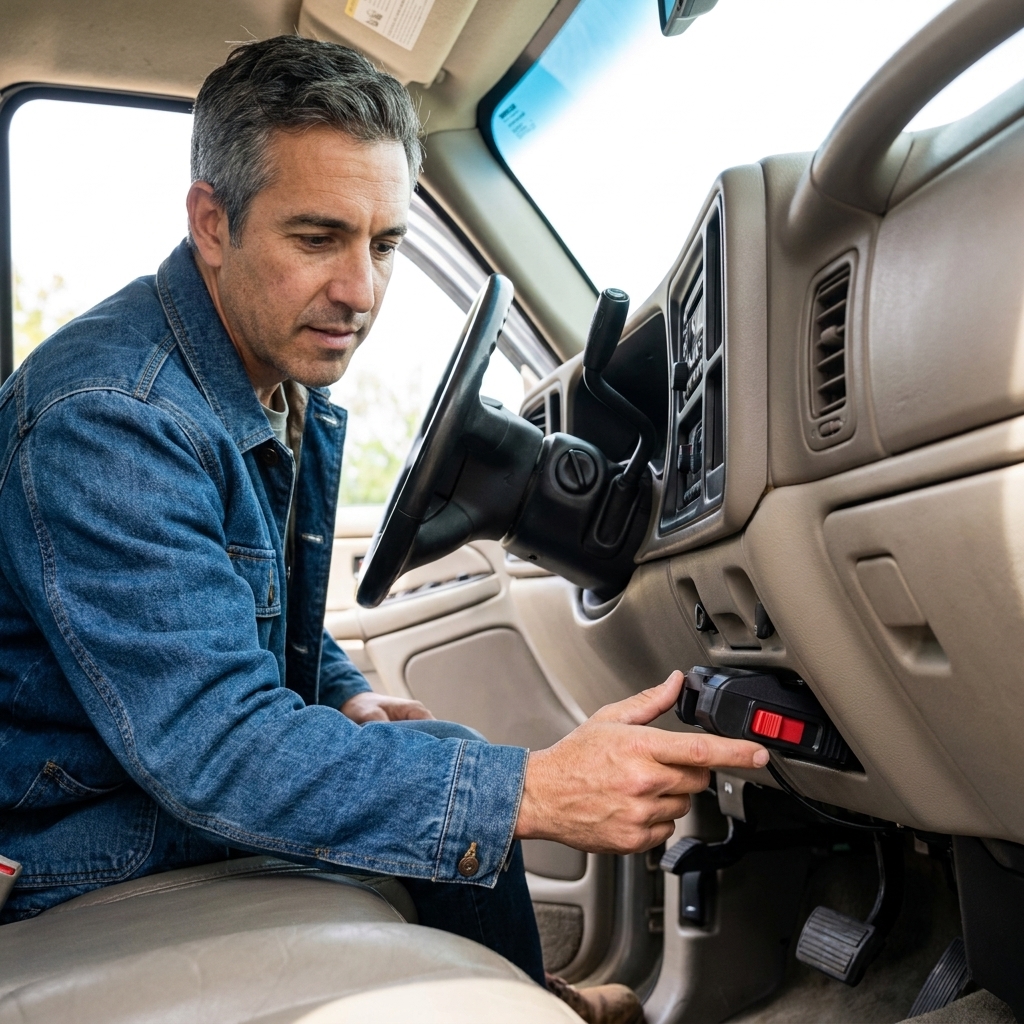
- Controller shows connection: verify the brake controller recognizes the trailer.
- Manual lever test: at a slow roll in a safe area, squeeze the manual lever. You should feel the trailer tug back.
- Gain setting: set it so the trailer contributes strong, smooth braking without lockup.
- Listen and feel for issues: grinding, squealing, or pulling to one side while braking can mean contaminated shoes, a bad magnet, uneven adjustment, or a brake that is not doing its share.
Heads-up: If your trailer brakes feel weak all of a sudden, check the 7-way connection and your ground before you assume the trailer hardware failed.
8) Load securement and trailer balance
This is the part nobody wants to redo after they have loaded up, but it is also where sway starts. A trailer that is rear-heavy is like carrying a couch with one guy doing all the steering from the back.
What to check
- Tongue weight reality check: the rig should sit level or slightly nose-down on the trailer, not squatting hard in back with a light front end. If you tow often, a tongue weight scale is money well spent. For lighter setups, people also use a bathroom scale method with a lever setup, but follow a proven method and stay within the scale rating.
- Straps and chains: confirm working load limit is adequate and everything is tight. Look for frayed webbing, bent hooks, and worn ratchets.
- Attachment points: secure to solid tie-downs or frame points, not flimsy rails or stake pockets that are already bent.
- Loose cargo: anything inside the trailer should be stowed so it cannot shift forward, backward, or side to side.
Simple target: many bumper-pull trailers tow best with roughly 10 to 15 percent of total trailer weight on the tongue, but the right number depends on the trailer and how it is loaded. Use your trailer and hitch manufacturer guidance, and do not ignore tow vehicle payload and axle ratings.
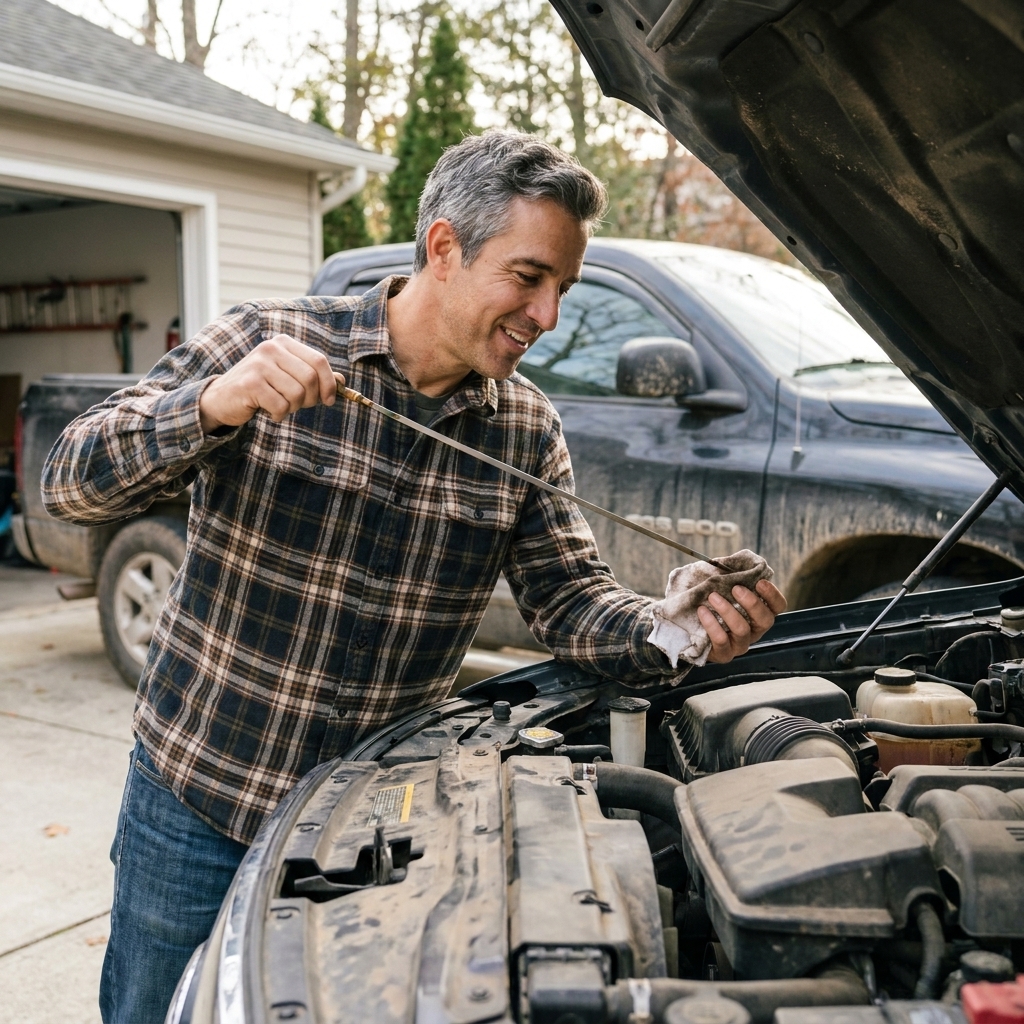
9) Fluids, belts, and basic under-hood checks
Towing works the whole drivetrain harder, and small issues show up faster. If your truck is going to overheat, slip, or start misfiring, a heavy pull is how you find out.
What to check
- Engine oil: verify level is correct and oil looks normal for its service interval.
- Coolant: check level in the reservoir when cool. Look for crusty residue around hoses and the radiator cap area.
- Transmission fluid: follow your owner’s manual procedure. Some trucks are check-hot, some are sealed and require a different process.
- Brake fluid: make sure it is at the proper level. Low fluid can indicate pad wear or a leak.
- Power steering (if equipped): towing and backing puts extra load on steering systems.
- Belts and hoses: look for cracks, glazing, swelling, and leaks.
- Battery terminals: make sure they are tight and clean. Electrical gremlins love towing days.
- Ratings reality check: take 30 seconds to sanity-check your numbers: truck payload, GVWR, axle ratings, hitch rating, and trailer weight. Tongue weight counts against payload, fast.
10) Final walkaround: jack, doors, and mirrors
This is your “nothing stupid” lap, and I mean that respectfully. Most roadside mishaps I have helped with were not complicated mechanical failures. They were missed steps.
What to check
- Tongue jack up: fully raised and secured.
- Stabilizers: up and locked (travel trailers especially).
- Steps, doors, and hatches: closed and latched, including propane compartment and battery box.
- Mirrors adjusted: you should see down the side of your trailer. If you need extension mirrors, install them before you move.
- Brake check: with the rig stopped, press the brake pedal and confirm you feel solid pressure.
My habit: I walk the rig clockwise every time, starting at the driver front tire. Same pattern, every trip. That way your brain notices what is different.
If you run a WDH or sway control
If you tow a travel trailer, odds are you have some kind of weight distribution hitch, sway control, or both. These parts make towing better when they are set up right, and make it worse when they are half-pinned or out of adjustment.
What to check
- Bars seated and pinned: spring bars fully engaged, with pins and keeper clips installed.
- L-brackets or chain hangers secure: bolts tight, brackets not bent, and the chain count or tension matches your normal setup.
- Sway control set correctly: friction-style units adjusted per the manufacturer and not binding. If your system has “tow” versus “back up” rules, follow them.
- Rig stance: truck and trailer sit level, and the steering does not feel light. If it does, re-check tongue weight and hitch adjustment.
After you roll: quick recheck
Some problems do not show up until you are moving. After 10 to 15 miles, or at your first safe stop, do a fast walkaround.
- Hubs and bearings: carefully feel each trailer hub. Warm is normal. Too hot to touch is not, and it is a reason to stop and investigate.
- Straps and chains: confirm nothing loosened and nothing shifted.
- Lights: take a glance for any new flicker or dead marker light.
A quick print-friendly checklist
- Tires: pressure (cold), tread, sidewalls, valve stems
- Lugs: torque and visual movement clues
- Receiver and ball mount: pin clipped, correct ratings
- Coupler: fully seated, latched, pinned or locked
- Safety chains: crossed, proper length, solid attachment
- Breakaway: separate attachment point, pin seated, battery charged
- Lights: running, brake, turn signals, hazards
- Trailer brakes: controller connection, manual lever test
- Load: balanced, strapped, nothing loose
- WDH and sway control (if equipped): bars seated, pins in, tension set
- Fluids and final lap: oil, coolant, brake fluid, jack up, doors shut, mirrors set
Common pre-trip mistakes I see
- Trusting “it towed fine last time”: tires lose pressure over time, temperatures change readings, and straps loosen.
- Ignoring trailer tire age: plenty of tread does not mean a tire is healthy. Dry rot and age matter.
- Breakaway cable clipped to the chain: if the chains hold, the breakaway may never pull. Clip it to its own point.
- Rear-heavy loading: it feels okay at 35 mph and turns scary at 65.
- Not re-torquing after wheel service: especially on trailers that sit a lot.
- Half-pinned weight distribution parts: missing clips and loose brackets are small mistakes with big consequences.
FAQ
How long should a pre-trip towing inspection take?
Once you have a routine, 10 to 15 minutes is realistic. If you are adjusting load balance, adding air, or chasing light problems, plan for 20 to 30 minutes.
Do I really need to check trailer tire pressure every trip?
Yes. Tires can lose pressure slowly over time, and temperature swings can change your PSI readings. Check before each trip and set them to the correct cold pressure for your tires and load.
What is the safest way to confirm the coupler is locked?
Latch it, pin or lock it, then use the tongue jack to lift the front of the trailer slightly. If the truck rises with it, the coupler is seated on the ball.
Should I grease the hitch ball?
For many ball and coupler setups, a light coat of grease reduces noise and wear. If you use a friction sway control device, follow the hitch manufacturer’s guidance because some components are designed to run dry.
One last thought
Towing is not about being fearless, it is about being prepared. A calm, consistent pre-trip check turns towing from stressful to routine. Take care of your truck, take care of your trailer, and they will take care of you all the way to the campsite and back.