After years of managing work trucks and seeing all kinds of “it should be fine” towing setups on the shoulder, I can tell you this: picking the right receiver hitch is not about buying the biggest one you can bolt on. It is about matching the hitch class to your trailer’s real weight, your tongue weight, and your truck’s ratings.
This guide breaks down trailer hitch Classes I through V in plain English, with practical examples of what each class is built to handle.
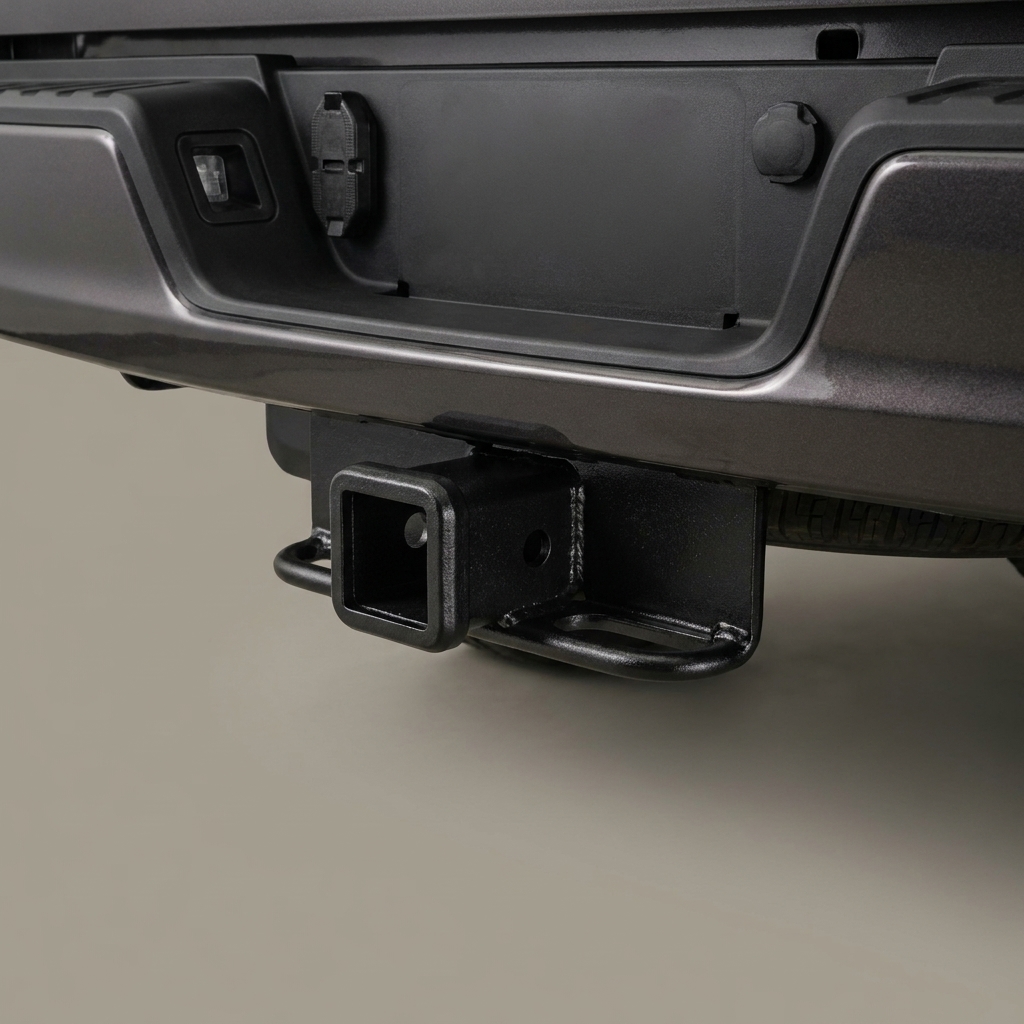
Quick reality check: hitch class is one piece
A receiver hitch can be rated for 10,000 pounds and your truck can still be limited to 6,000 pounds by payload, axle ratings, tires, cooling, gearing, or the manufacturer’s tow rating. The safe towing number is always the lowest rating in the whole system.
- Truck limits: max tow rating, payload, rear axle rating (RAWR), and GCWR (combined weight limit).
- Hitch limits: the rating on the receiver itself (including any weight carrying vs weight distribution limits) and the rating stamped on the ball mount.
- Hardware limits: hitch ball rating, pin rating, and safety chain rating.
- Trailer limits: trailer GVWR, tire ratings, and coupler rating.
If any one of those is lower, that is your limit.
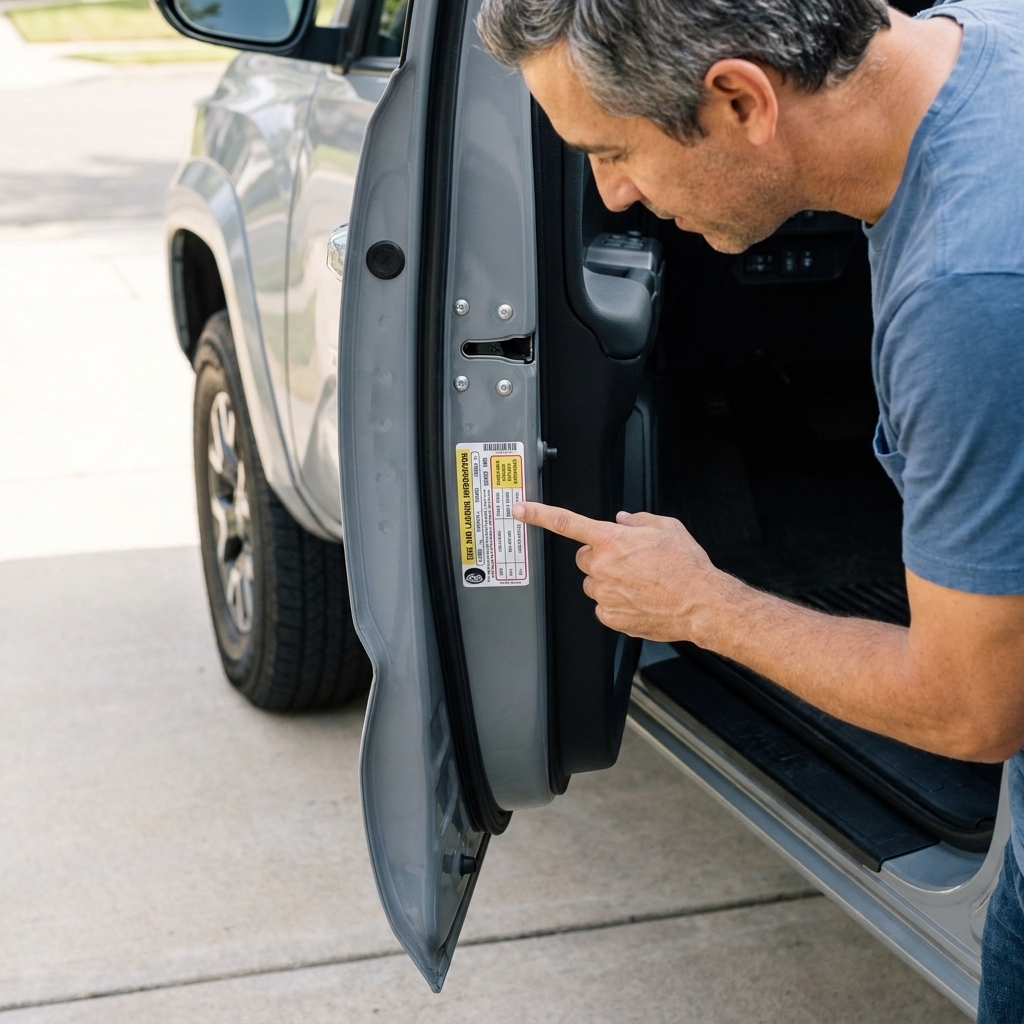
One more thing I see people miss: do not exceed the towing and hitch limits in your owner’s manual or on the vehicle’s towing labels, even if an aftermarket receiver advertises a higher number for the hitch alone.
Also, hitch “classes” are commonly used shopping categories, not a universal legal standard. Manufacturers can rate the same class differently depending on the specific hitch design and the vehicle it is installed on.
Receiver hitch classes at a glance
These are common “industry typical” ranges you will see. Always verify the exact rating for your hitch model and installation. Two Class III hitches can have different ratings depending on vehicle fitment and design.
| Hitch class | Typical receiver size | Typical max gross trailer weight (GTW) | Typical max tongue weight (TW) | Common uses |
|---|---|---|---|---|
| Class I | 1-1/4 inch | Up to 2,000 lb | Up to 200 lb | Bike racks, small utility trailers |
| Class II | 1-1/4 inch | Up to 3,500 lb | Up to 350 lb | Small boats, pop-up campers |
| Class III | 2 inch | Up to 8,000 lb (often 5,000 lb without weight distribution) | Up to 800 lb (often 500 lb without weight distribution) | Mid-size campers, car haulers |
| Class IV | 2 inch | Up to 10,000 lb | Up to 1,000 lb | Heavier travel trailers, equipment trailers |
| Class V | 2-1/2 inch (sometimes 2 inch) | Up to 20,000 lb | Up to 2,000 lb | Heavy equipment, big enclosed trailers |
Two important terms: GTW is the loaded trailer weight. TW is the downward force the trailer puts on the hitch. For most bumper-pull trailers, tongue weight is commonly in the 10 to 15 percent ballpark of the loaded trailer weight.
Class I hitch: light duty
Class I is what you see on smaller cars, crossovers, and some compact SUVs. Most are a 1-1/4 inch receiver and are perfect for light towing and carrying accessories.
Typical ratings
- GTW: up to 2,000 pounds
- TW: up to 200 pounds
Good fits in the real world
- A small 4x6 utility trailer with yard waste
- A lightweight personal watercraft trailer
- Bike racks and small cargo trays (as long as you stay within tongue weight)
My mechanic tip
Class I owners get in trouble with tongue weight long before trailer weight. A loaded cargo carrier or a rack with e-bikes can eat up 200 pounds faster than you think.
Class II hitch: more capable
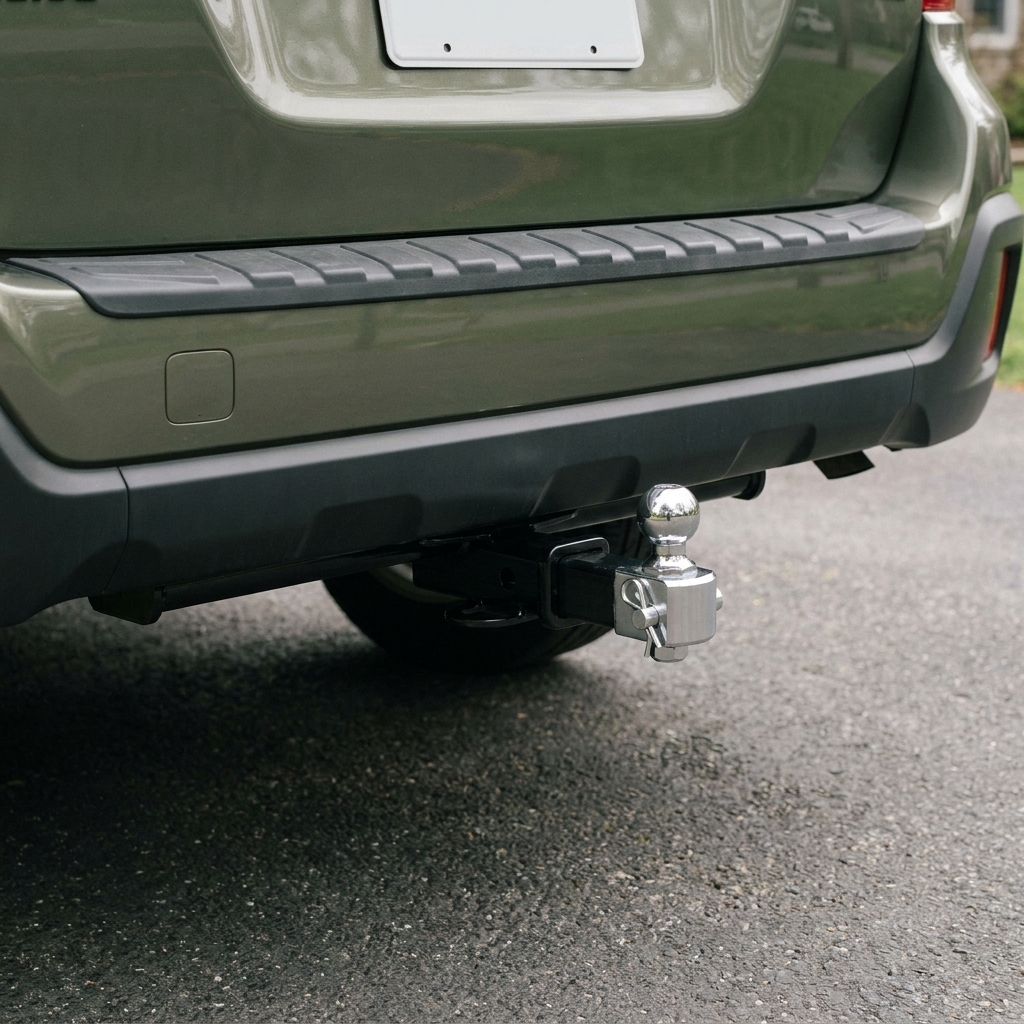
Class II hitches usually keep the 1-1/4 inch receiver, but step up in structure and rating. This class is common on minivans, crossovers, and lighter SUVs.
Typical ratings
- GTW: up to 3,500 pounds
- TW: up to 350 pounds
Good fits in the real world
- A small fishing boat and trailer
- A basic pop-up camper
- A 5x8 utility trailer with a riding mower
Watch-outs
Once you are north of about 3,000 pounds, you need to think hard about brakes and stability. Many states and provinces require trailer brakes above a certain weight, and that threshold is often somewhere in the 1,500 to 3,000 lb range, but the details vary. Check your local law and do not rely on “it’s probably fine.” Even where brakes are not required, your stopping distance will still tell the truth.
Class III hitch: the workhorse
If you tow a travel trailer, a car hauler, or any “real” trailer behind a half-ton pickup, Class III is usually where the conversation starts. Most Class III hitches use a 2-inch receiver, which opens the door to stronger ball mounts and a huge range of accessories.
Typical ratings
- GTW: up to 8,000 pounds (many are 5,000 pounds when used without weight distribution)
- TW: up to 800 pounds (many are 500 pounds when used without weight distribution)
What people miss: weight carrying vs weight distribution
Many Class III setups have two ratings:
- WC (Weight Carrying): regular ball mount, no spring bars.
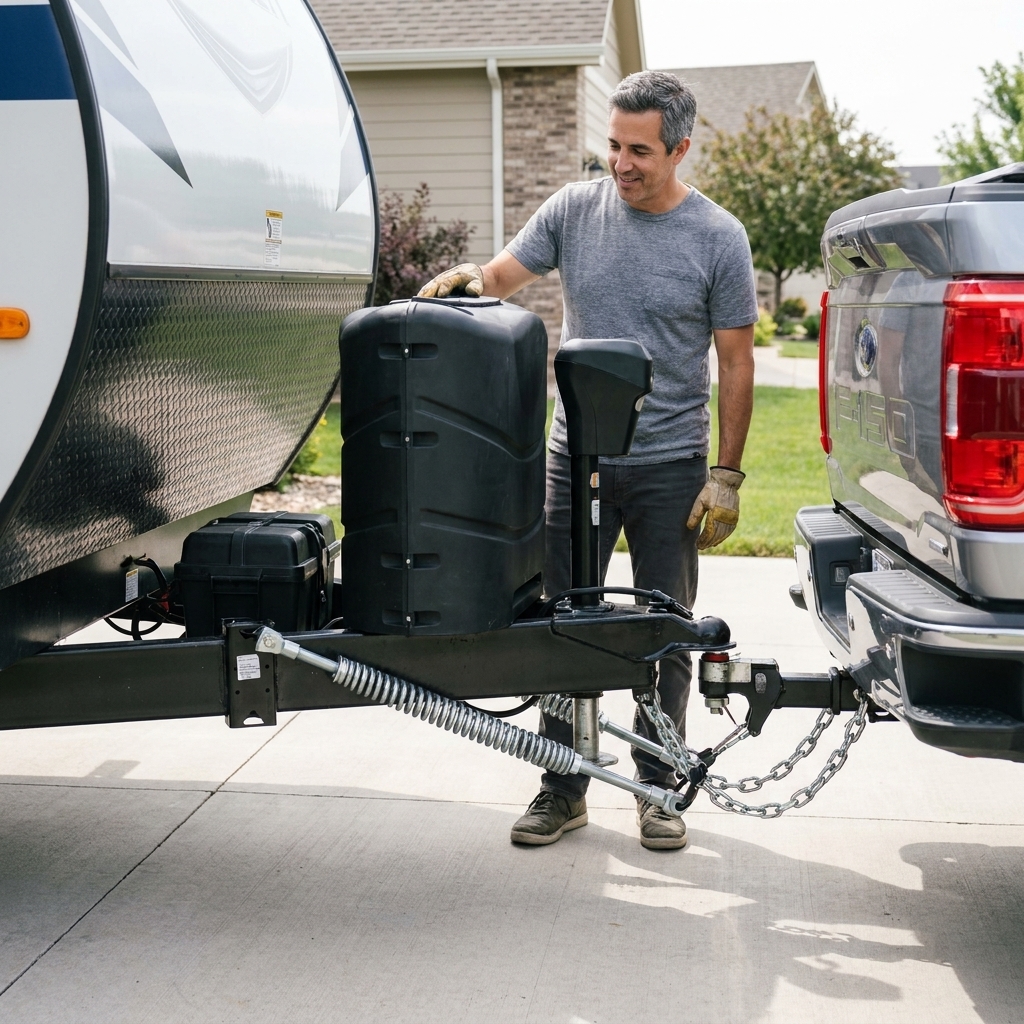
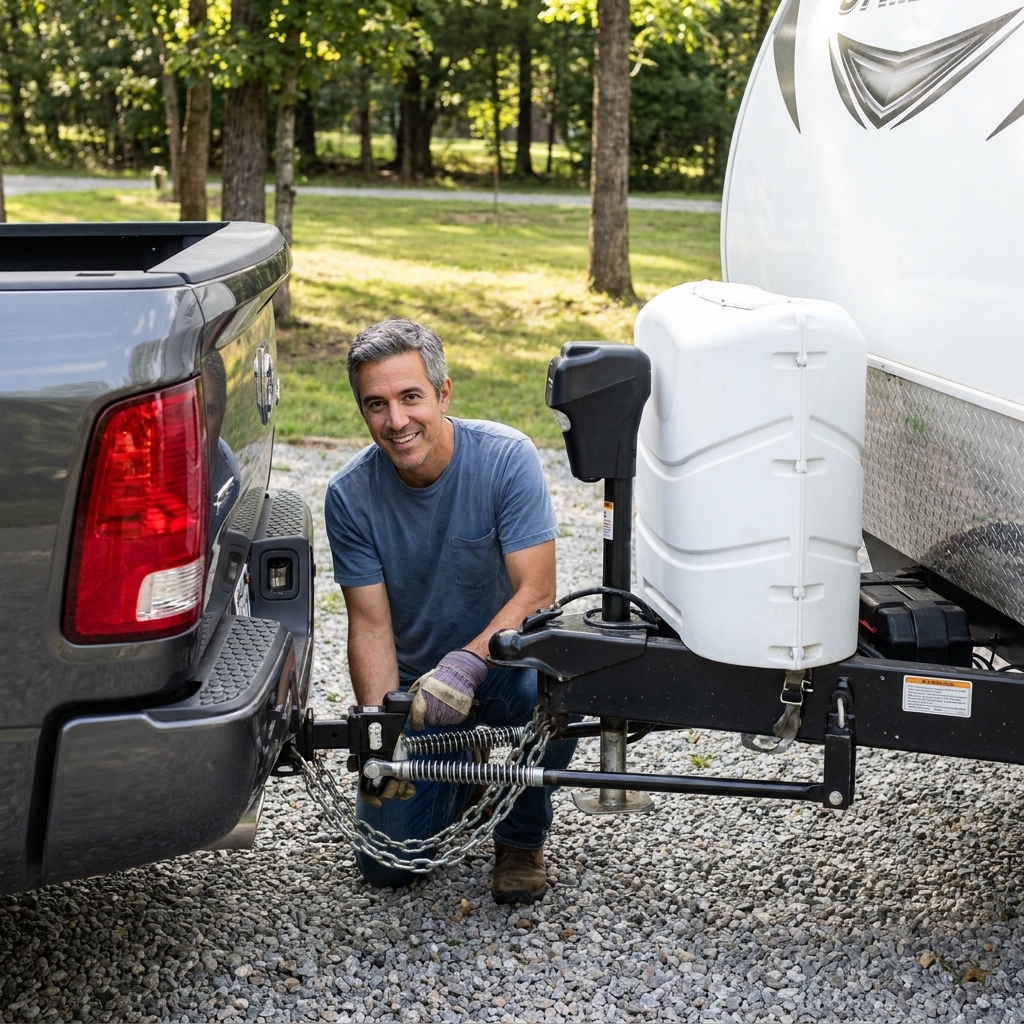
- WD (Weight Distribution): uses spring bars and a hitch head to redistribute how the load is carried across the tow vehicle and trailer axles.
A WD hitch does not make tongue weight disappear. It changes how that load is shared so the tow vehicle stays more level and the front axle keeps useful steering and braking traction.
With travel trailers, a properly sized and set up weight distribution hitch is often the difference between “it tows okay” and “this is actually stable and level.”
Good fits in the real world
- Single-axle or light tandem-axle travel trailers
- Smaller enclosed cargo trailers
- Car haulers with lighter vehicles (within payload and axle limits)
Class IV hitch: heavier towing
Class IV is still typically a 2-inch receiver, but built with more capacity margin for heavier trailers. You will see these on 3/4-ton trucks, some half-tons with tow packages, and SUVs designed to tow.
Typical ratings
- GTW: up to 10,000 pounds
- TW: up to 1,000 pounds
Good fits in the real world
- Heavier travel trailers and toy haulers (bumper pull)
- Equipment trailers with compact tractors or skid steers (within truck ratings)
- Larger enclosed trailers for motorcycles or small cars
My safety rule of thumb
If your tongue weight is pushing 800 to 1,000 pounds, the hitch is not the only concern. Your limiting factor is often payload. A 1,000-pound tongue weight can consume most of the usable payload on many half-ton trucks once you add passengers, a cooler, tools, and the weight distribution hitch hardware itself.
Class V hitch: heavy duty
Class V is where things get serious. Most Class V hitches use a 2-1/2 inch receiver, but some are built with a 2-inch receiver and still carry Class V ratings depending on the design. You will often see 2-1/2 inch receivers on many modern heavy-duty pickups, but it is not automatic on every 3/4-ton or 1-ton truck. Always verify what your truck actually has.
Typical ratings
- GTW: up to 20,000 pounds (varies widely by hitch design and vehicle application)
- TW: up to 2,000 pounds
Good fits in the real world
- Big enclosed trailers loaded heavy
- Large equipment trailers
- Serious bumper-pull RVs when the truck is rated for it
Do you need Class V for a fifth wheel?
No. Fifth wheel and gooseneck towing use a different hitch system mounted in the bed. A Class V receiver is for bumper-pull and receiver-mounted accessories, not for replacing an in-bed hitch.
How to choose the right hitch class
1) Start with loaded weight
Dry weight is a real measurement, but it is rarely the number you tow. Your hitch sees loaded weight. For campers, add propane, batteries, water, food, gear, and all the little stuff that somehow adds up fast.
2) Estimate tongue weight, then confirm it
A safe starting estimate for most bumper-pull trailers is 10 to 15 percent of loaded trailer weight.
- Example: a 6,500-pound loaded travel trailer usually wants about 650 to 975 pounds of tongue weight.
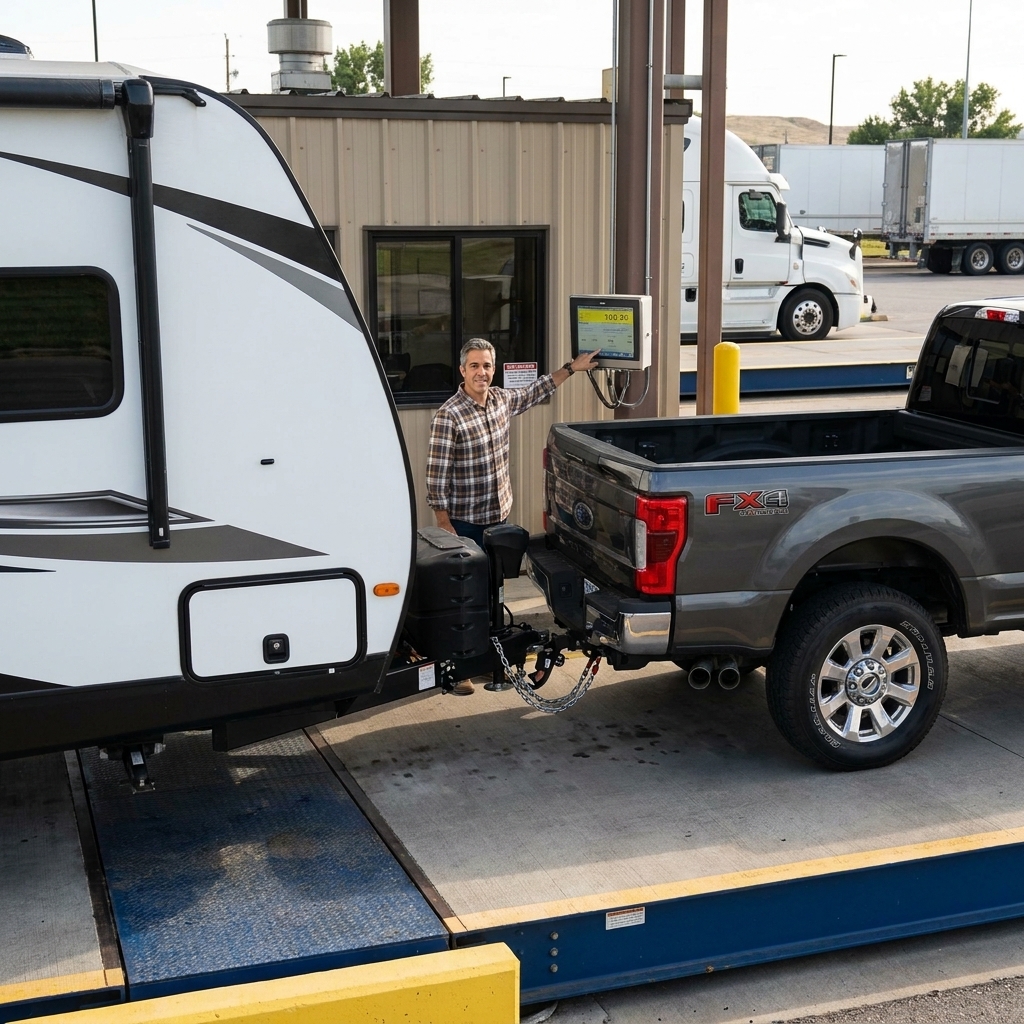
The best move is to measure it with a tongue weight scale or a public scale setup.
3) Match the hitch to real tongue weight
If you are anywhere near the tongue weight limit of your current hitch, step up a class. Running at the ceiling all the time is how you end up with bent hardware, poor handling, and tense hands on the wheel.
4) Check payload before you buy parts
Tongue weight counts as payload. So do passengers, the dog, the toolbox, and the weight distribution hitch itself. If your payload cannot support the tongue weight, a bigger hitch will not fix it.
Driveway advice: If you upgrade from a small utility trailer to a travel trailer, plan on upgrading more than the hitch. Brake controller, weight distribution, sway control, better tires, and sometimes a different tow vehicle can all end up on the list.
Finally, remember that towing ratings assume a properly equipped vehicle and reasonable conditions. High speeds, strong crosswinds, steep grades, and heat can expose weak links fast.
Receiver size matters
Receiver size and hitch class usually travel together, but not always. What matters for you is accessory compatibility and strength margin.
- 1-1/4 inch receivers: common on Class I and II. Great for bike racks and light towing. Limited accessory options at higher capacities.
- 2 inch receivers: common on Class III and IV. Most versatile. Tons of ball mounts, cargo carriers, and hitch-mounted gear are built around 2 inch.
- 2-1/2 inch receivers: common on many Class V applications. Best for high tongue weight and heavy ball mounts. You can use a reducer sleeve to run 2 inch accessories, but remember the lowest rating rule.
Common mistakes I see
- Overrating the hitch, underrating the truck: the receiver is strong, but the rear axle and tires are overloaded.
- Ignoring tongue weight: a “7,000-pound trailer” can still overload a hitch with 1,050 pounds on the tongue.
- Using the wrong ball mount drop or rise: towing nose-up or nose-down hurts stability and braking.
- Mixing mismatched ratings: a Class IV receiver with a ball rated at 5,000 pounds is still a 5,000-pound setup.
- No trailer brakes on heavier trailers: the truck can pull it, but cannot stop it confidently.
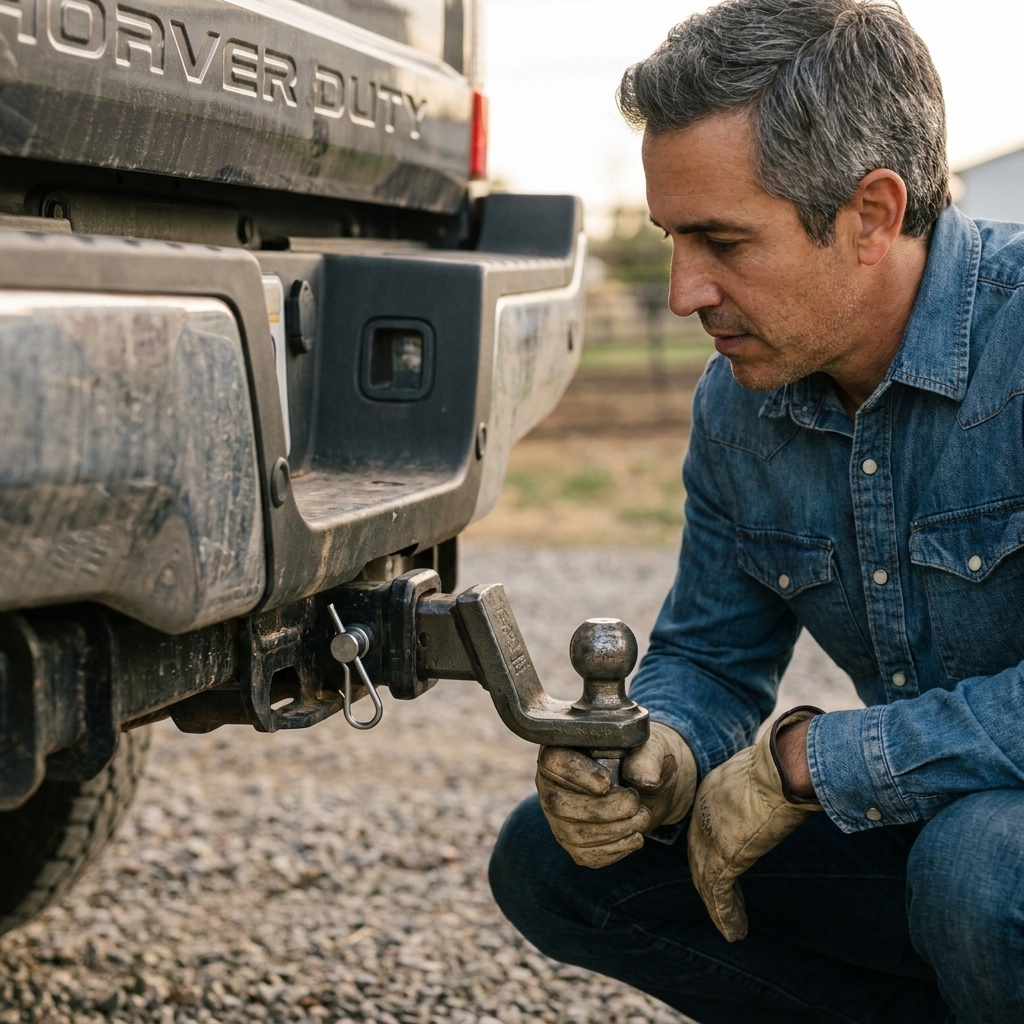
- Not checking the stamps: most receivers, ball mounts, and hitch balls have their ratings stamped or labeled on them. Find those numbers and treat them as hard limits.
FAQ
Is a higher hitch class always safer?
It can add strength margin at the receiver, but it is only safer if the rest of your setup supports it. The safest setup is one where truck ratings, hitch ratings, and trailer ratings all match with room to spare.
Can I tow with a Class III hitch without weight distribution?
Sometimes, yes. But many Class III hitches have a lower weight carrying rating. If your tongue weight is over that WC rating, you should be using a properly sized weight distribution hitch, and your truck must be rated for WD use.
What hitch class do I need for a 7,000-pound travel trailer?
Most of the time you are in Class III (with weight distribution) or Class IV territory, depending on tongue weight and your truck’s payload. A 7,000-pound loaded trailer can easily put 700 to 1,050 pounds on the tongue, which is where Class IV and a properly set WD hitch often make the most sense.
What is the difference between a receiver hitch and a tow package?
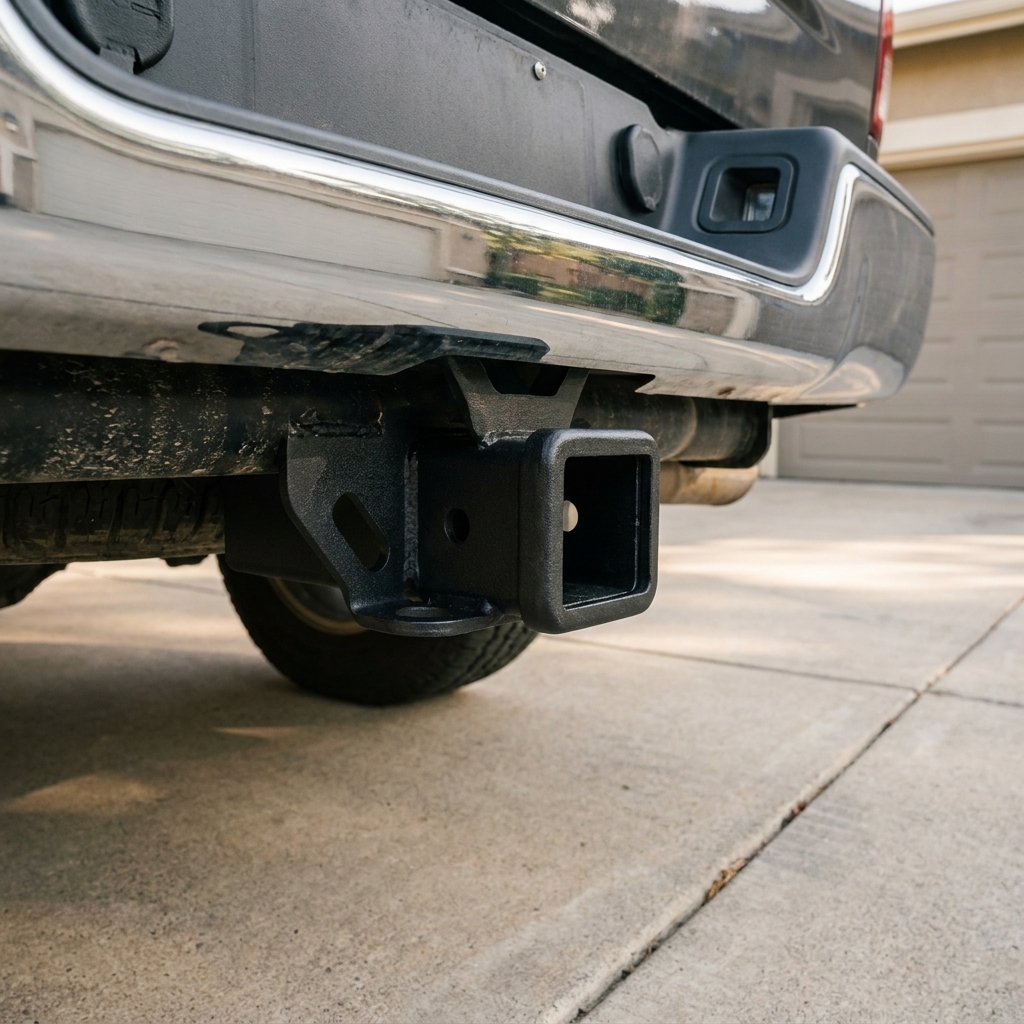
The receiver hitch is the metal structure bolted to the frame. A factory tow package can include the receiver plus wiring, a transmission cooler, upgraded alternator, integrated brake controller, higher capacity radiator, and sometimes different axle ratio or suspension components.
Bottom line
Hitch classes make it easier to shop, but they do not replace real numbers. Pick a receiver hitch that comfortably covers your loaded trailer weight and measured tongue weight, then confirm your truck can carry that tongue weight within payload and axle limits. If you do that homework once, your towing days get a whole lot calmer.