If you have ever stood in a parts store aisle staring at “Class III” and “Class IV” boxes like they are secret codes, you are not alone. Hitch classes are meant to make life easier, but the fine print matters: receiver size, tongue weight, weight distribution, axle ratings, and braking all come into play.
Below is how I explain hitch classes to friends over the driveway fence. We will decode what each class usually means, what you can realistically tow with it, and the common mismatches I see on the road that turn into tense, white knuckle towing.
What “hitch class” means
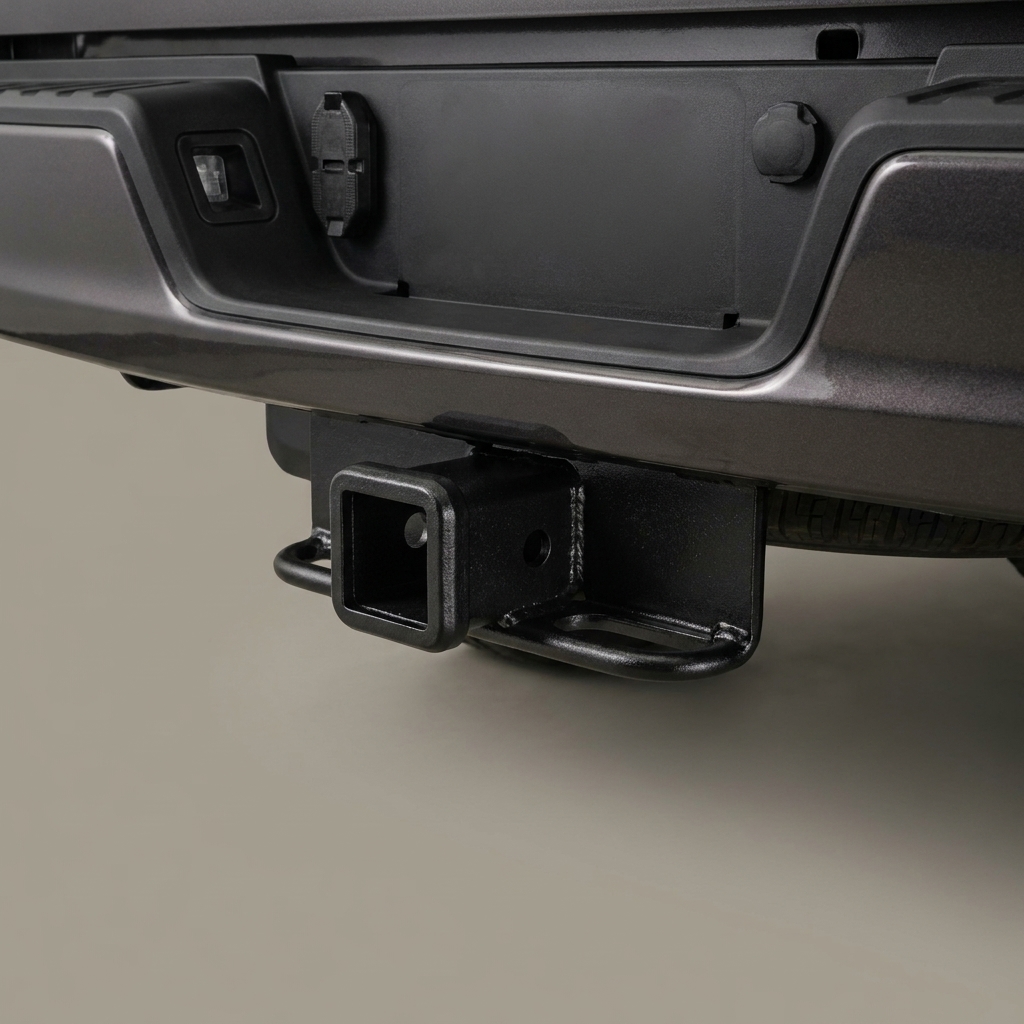
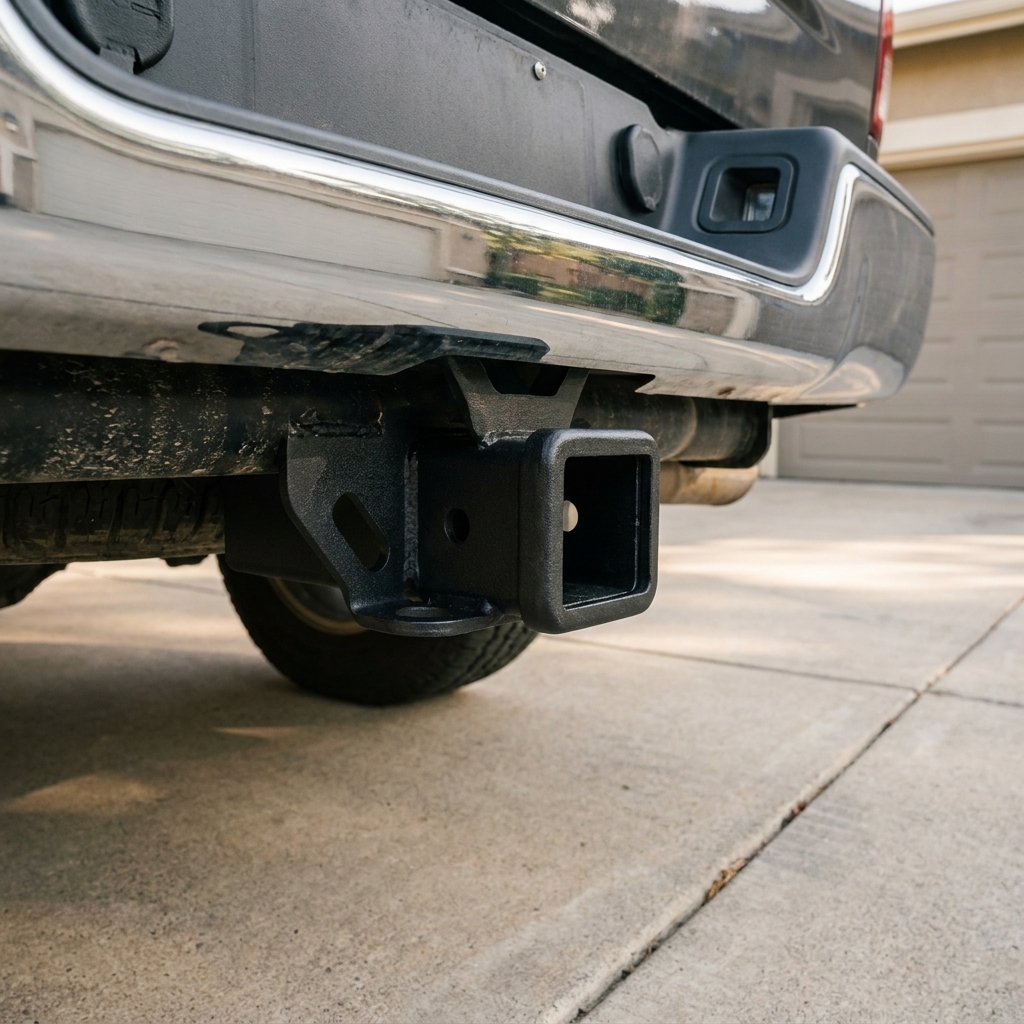
In everyday towing talk, “hitch class” usually refers to the receiver hitch bolted to your truck or SUV. The class generally correlates with:
- How much weight the hitch itself is rated to carry (gross trailer weight and tongue weight)
- Receiver tube size (like 1-1/4 inch or 2 inch)
- How the hitch is intended to be used (light utility trailers versus equipment versus heavier travel trailers)
Here is the part people miss: the hitch can be rated higher than your vehicle. Your tow rating is only as strong as the lowest-rated piece in the whole setup: vehicle limits, receiver hitch, ball mount, ball, pin, coupler, safety chains, tires, and your rear axle and payload numbers.
Neighbor rule: The number on the hitch box does not magically increase your truck’s tow rating.
Quick capacity guide (Classes I to V)
Ratings vary by manufacturer and specific model, but these are the typical ballpark ranges you will see for common aftermarket receiver hitches (often aligned with SAE J684 style guidance). Treat this as a starting point. The label on your hitch and your vehicle’s limits are the final word.
| Hitch class | Typical receiver size | Typical max gross trailer weight (GTW) | Typical max tongue weight (TW) | Common uses |
|---|---|---|---|---|
| Class I | 1-1/4 in | Up to 2,000 lb | Up to 200 lb | Bike racks, small cargo carriers, very light trailers |
| Class II | 1-1/4 in | Up to 3,500 lb | Up to 350 lb | Small utility trailers, small pop-ups, lightweight boats |
| Class III | 2 in | Commonly 5,000 to 6,000 lb | Commonly 500 to 600 lb | Most midsize to half-ton towing, many travel trailers with WDH |
| Class IV | 2 in | Commonly 10,000 to 12,000 lb | Commonly 1,000 to 1,200 lb | Heavier travel trailers, equipment trailers, frequent towing |
| Class V | 2 in or 2-1/2 in | Commonly 12,000 to 20,000 lb | Commonly 1,200 to 2,000 lb | Heavy equipment, large campers, serious towing rigs |
Important: You will also hear about weight distribution (WD) ratings. Some hitches list ratings “carrying” (dead weight) and “WD.” With a properly set up weight distribution hitch, some receiver hitches are rated higher, but WD use must be allowed by both the hitch and the vehicle.
Class I hitch
Typical receiver: 1-1/4 inch
Common ratings: up to 2,000 lb GTW and 200 lb TW
Class I is for the light stuff. Think compact cars, some small crossovers, and occasional trailer duty. I see Class I hitches used more for bike racks and small cargo trays than towing.
Watch-outs
- Tongue weight adds up fast. A 200 lb tongue rating can disappear once you factor in a heavier ball mount, a loaded cargo carrier, or a small trailer that is nose-heavy.
- WD is often a no-go. Many Class I hitches are not rated for weight distribution, and many unibody vehicles prohibit WD regardless of hitch class. Always check both the hitch label and the owner’s manual.
Class II hitch
Typical receiver: 1-1/4 inch
Common ratings: up to 3,500 lb GTW and 350 lb TW
Class II is where small trailer towing starts to make sense. It is common on minivans and crossovers that can handle a modest trailer, and it is great for 4x8 utility trailers, small aluminum boats, and lightweight pop-ups.
Watch-outs
- Receiver size limits accessory choices. Many heavy-duty ball mounts and higher capacity weight distribution systems assume a 2 inch receiver.
- Brake requirements still apply. Many states and provinces require trailer brakes above a certain weight, and the threshold varies widely. Check your local rules before you assume you are fine.
Class III hitch
Typical receiver: 2 inch
Common ratings: commonly 5,000 to 6,000 lb GTW and 500 to 600 lb TW (often higher with WD depending on model)
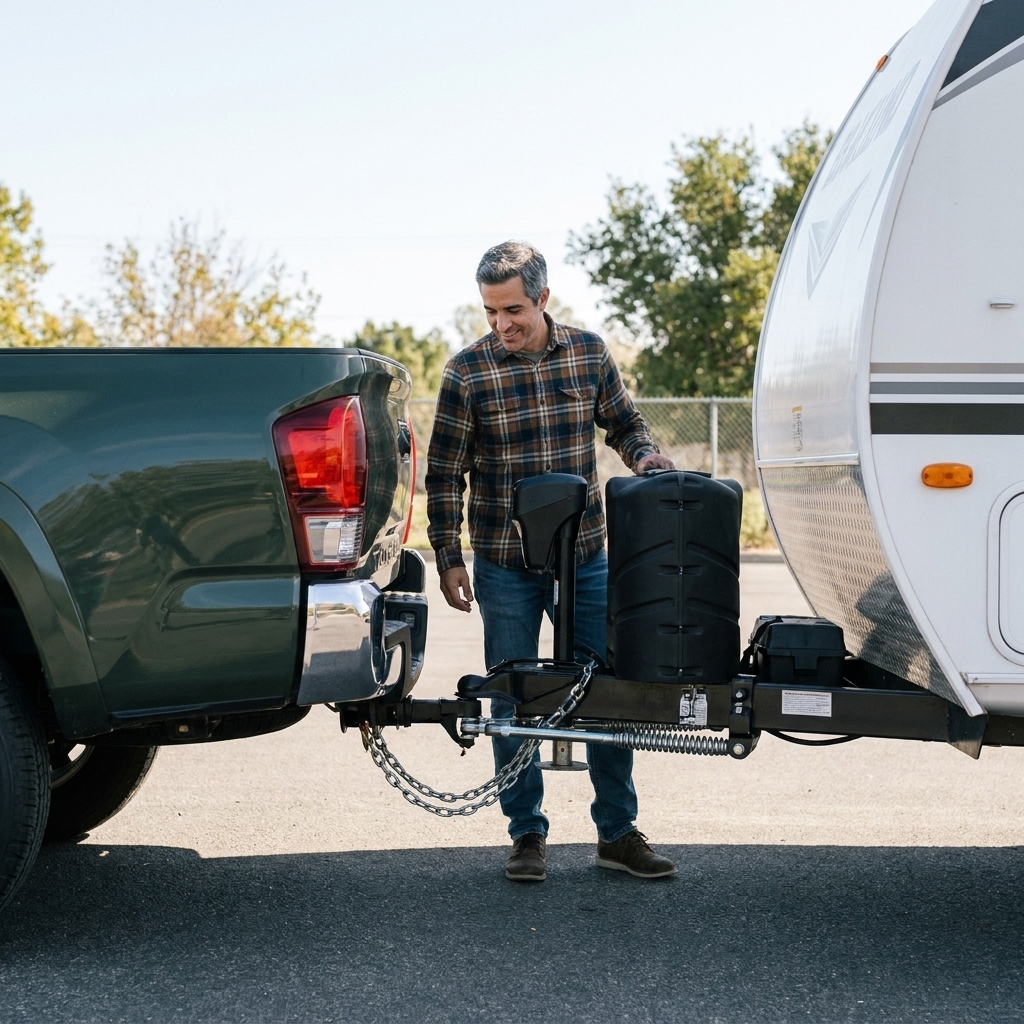
If there is a “most common” towing hitch in America, this is it. Class III covers a huge range of real-world towing: small equipment, midsize travel trailers, and plenty of half-ton truck duty.
When folks tell me “I have a 2 inch receiver,” they are often talking about a Class III, but that receiver size can also be Class IV and sometimes even Class V. The label is what matters.
Watch-outs
- Do not confuse receiver size with class. A 2 inch receiver is common on Class III and Class IV and even some Class V hitches. You have to check the sticker or documentation for the actual rating.
- Payload becomes the real limiter. A travel trailer with a 650 lb tongue weight plus passengers, tools, and a cooler in the bed can put many half-ton trucks over payload before the hitch rating is even close.
Class IV hitch
Typical receiver: 2 inch
Common ratings: commonly 10,000 to 12,000 lb GTW and 1,000 to 1,200 lb TW
Class IV is a big step up in structure and rating while still living in the 2 inch receiver world. I like Class IV for heavier bumper-pull work, especially when you are towing often or towing something boxy that pushes the truck around.
Where it fits
- Heavier travel trailers that demand a properly set up weight distribution hitch
- Equipment trailers where tongue weight is high and consistent
- Frequent towing where you want more margin and less flex
Watch-outs
- Your truck still sets the ceiling. Plenty of 1/2 ton trucks cannot use the full Class IV rating once you do payload math and rear axle math.
- WD setup matters. If you are towing near the upper end, a sloppy weight distribution setup will make the whole rig feel unstable even if the parts are “rated.”
Class V hitch
Typical receiver: 2 inch or 2-1/2 inch
Common ratings: roughly 12,000 to 20,000 lb GTW and 1,200 to 2,000 lb TW depending on model and receiver size
Class V is where heavy-duty pickups and commercial-style towing start to show up. Many Class V hitches use a 2-1/2 inch receiver, which is stiffer and generally rated higher than 2 inch.

Two common realities
- 2-1/2 inch accessories cost more. Ball mounts, lock pins, and weight distribution shanks are beefier and usually priced accordingly.
- Adapters reduce capacity. A 2-1/2 to 2 inch reducer sleeve is handy, but your effective rating becomes the lowest-rated component. Some setups also introduce a bit more play, which you can feel as clunking.
Receiver size vs class
Receiver size is just the opening size. It does not automatically tell you the hitch class or rating.
- 1-1/4 inch receivers are typically Class I or II.
- 2 inch receivers can be Class III or IV and sometimes Class V.
- 2-1/2 inch receivers are usually Class V.
If you only remember one thing from this guide, remember this: read the hitch label or the manufacturer documentation for the actual ratings.
Ratings that matter
Gross trailer weight (GTW)
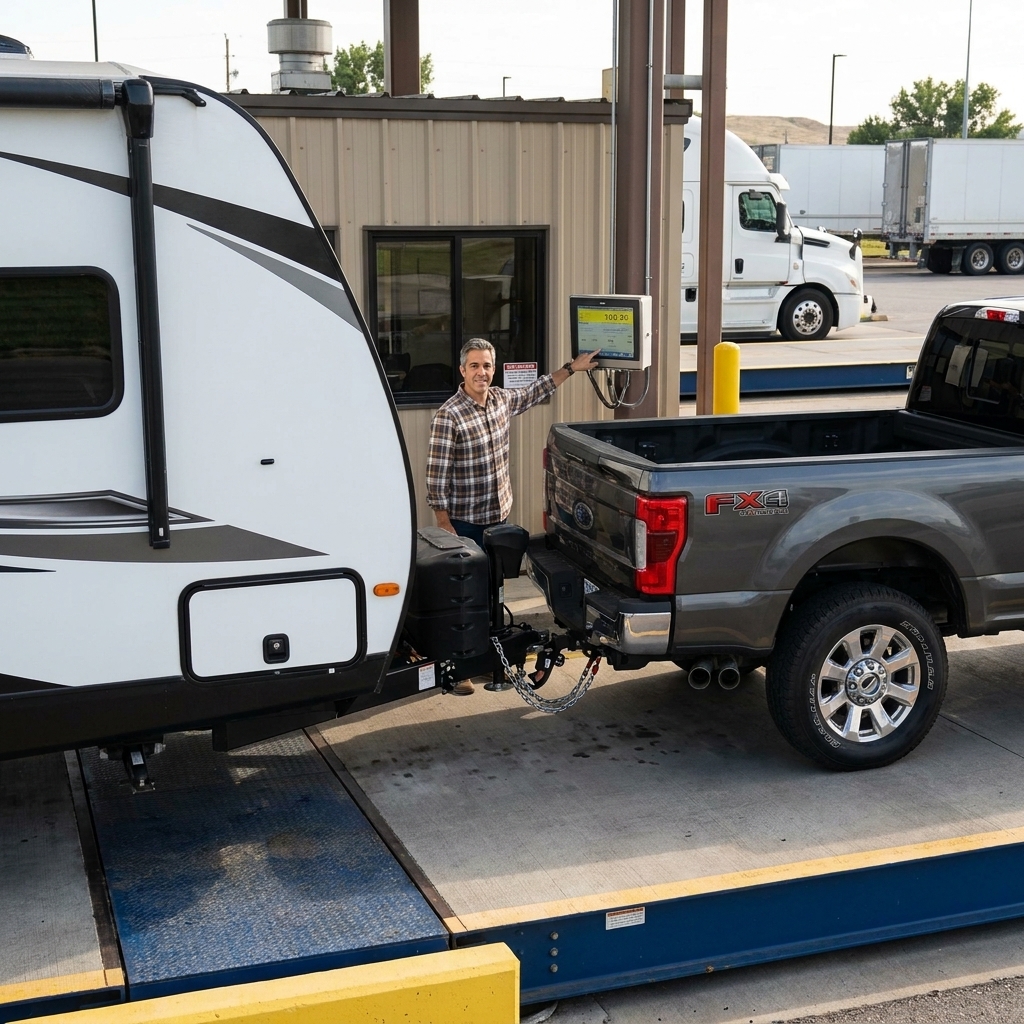
GTW is the total weight of the trailer as it sits ready to roll: trailer, water, propane, gear, everything. Not the brochure “dry weight.”
Tongue weight (TW)
Tongue weight is how much of that trailer weight presses down on the hitch ball. For most bumper-pull trailers, you generally want:
- 10 to 15 percent of trailer weight on the tongue for conventional travel trailers and utility trailers
- Closer to 15 percent for many travel trailers to reduce sway risk
- Sometimes lower on certain boat trailers, depending on design and loading, but too little tongue weight is still a classic sway starter
That tongue weight counts against your vehicle’s payload. It is also why people “feel” overloaded even when they think they are under the tow rating.
Weight distribution hitches
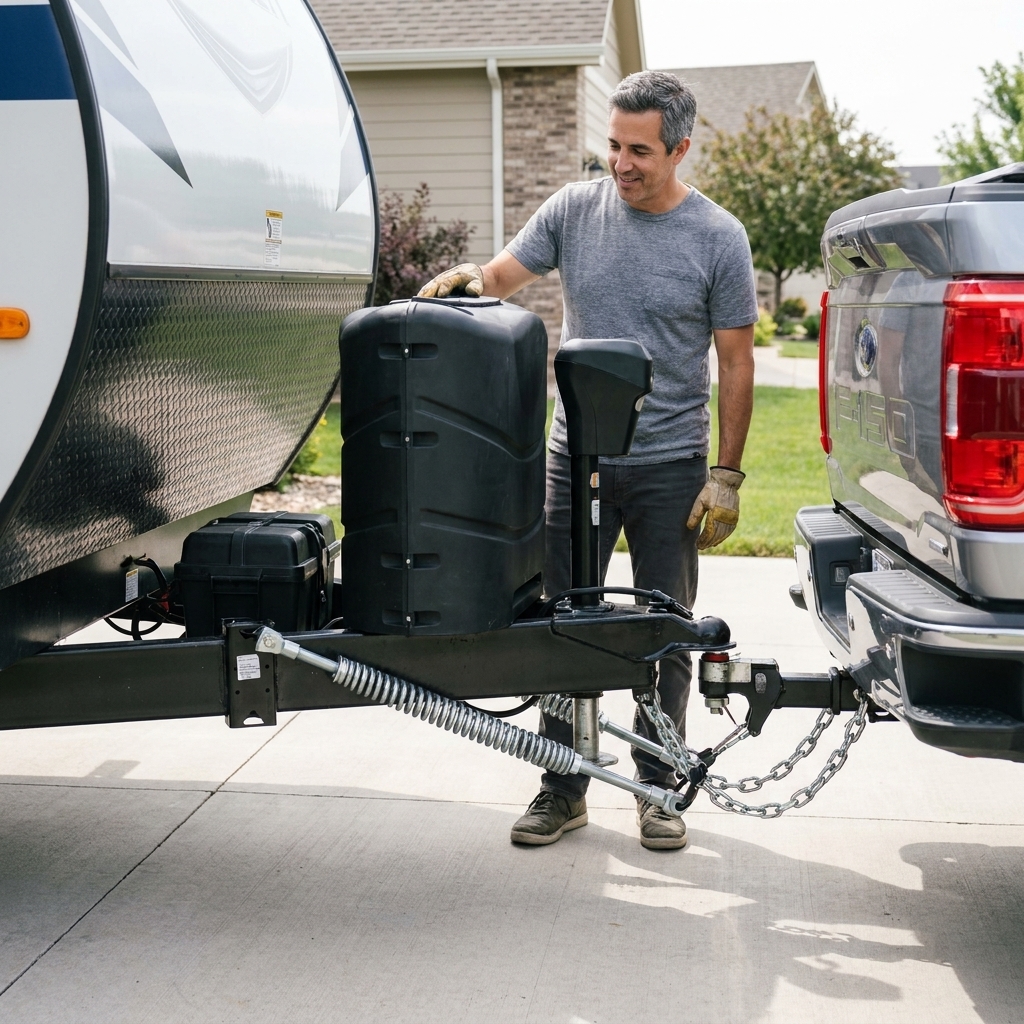
A weight distribution hitch (WDH) uses spring bars to transfer some of the load back onto the trailer axles and forward onto the front axle of the tow vehicle. It can improve:
- Steering and braking feel
- Headlight aim
- Overall stability
It does not reduce trailer weight. It does not fix an overloaded truck. But when you are towing a longer travel trailer, it is often the difference between “this feels fine” and “I cannot wait to get off the highway.”
Many hitches list separate ratings for:
- Weight carrying (no WDH)
- Weight distributing (with WDH)
Use the right rating for the way you are actually towing, and make sure your vehicle manufacturer allows WD use for your configuration.
How to choose a hitch
Step 1: Start with vehicle limits
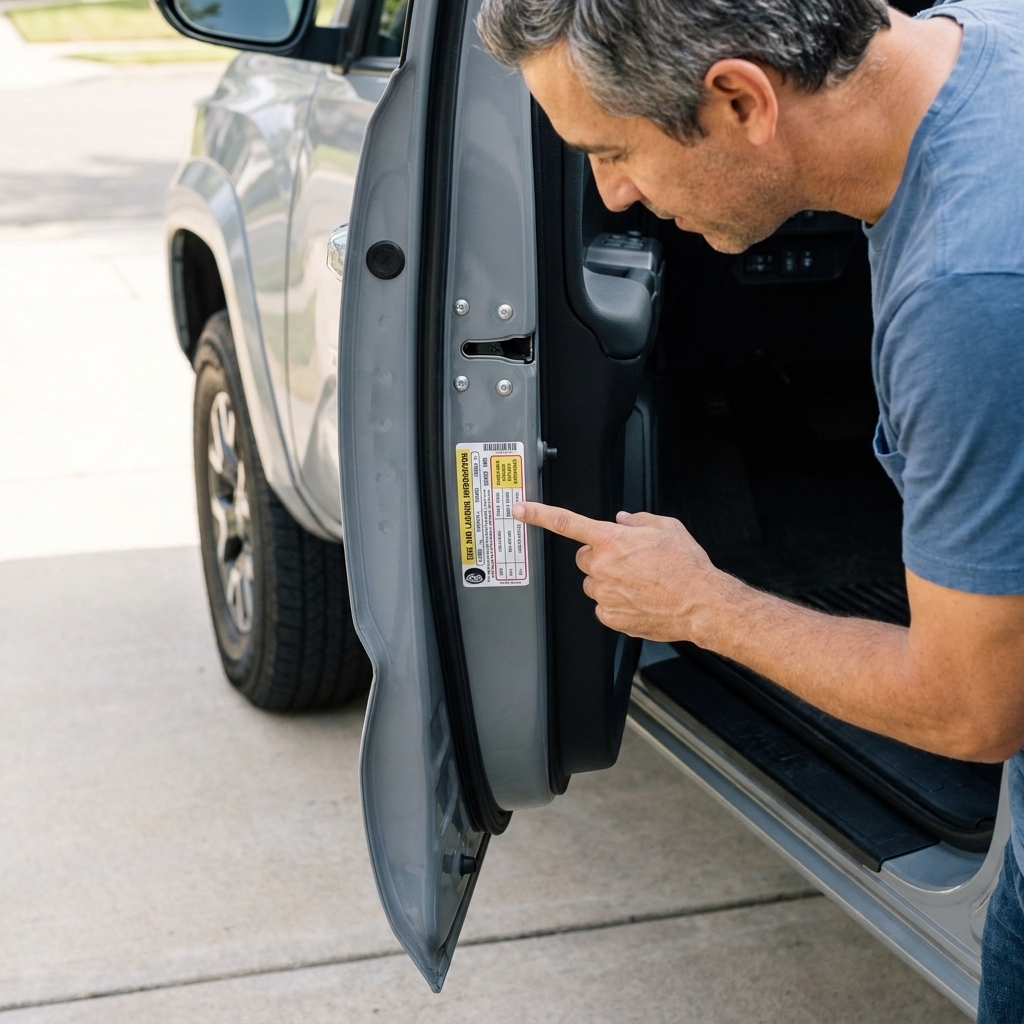
Check your owner’s manual and the door jamb sticker. You are looking for:
- Max tow rating for your configuration
- Payload capacity (the tire and loading sticker)
- GAWR (axle ratings), especially rear axle rating
- GCWR (combined truck and trailer rating), if provided
Those last two are the quiet limiters that bite people, even when the tow rating sounds generous.
Step 2: Estimate real tongue weight
If you can, measure it with a tongue scale. If you cannot, estimate 12 to 15 percent of your loaded trailer weight for a travel trailer.
Then do the payload math. Tongue weight is payload, and so is:
- Weight distribution hitch hardware (often 50 to 100 lb)
- Passengers and pets
- Cargo in the cab or bed
Step 3: Match every component
You want your receiver hitch, ball mount (including drop or rise), and hitch ball to be rated above your real-world numbers. This is where people get burned: they buy a Class IV receiver and then use a ball mount or ball that is rated lower.
I like a comfortable safety cushion because towing is dynamic, not static. Dips and potholes create momentary loads that are higher than what you see parked on flat ground.
Step 4: Match the receiver size
If you are regularly towing, a 2 inch receiver gives you better accessory compatibility and usually more stability than 1-1/4 inch setups. For heavy towing on HD trucks, a 2-1/2 inch receiver is worth it.
Brakes and controllers
Here is the simple version: if your trailer is heavy enough that stopping distance makes you think twice, you should be thinking hard about trailer brakes.
- Legal requirements vary by state and province, often somewhere around 1,000 to 3,000 lb and up. Look up the rule where you drive, not just where you live.
- Many travel trailers use electric brakes, which usually means you need a brake controller in the tow vehicle (factory integrated or aftermarket), plus a properly wired 7-way connector.
Common mistakes
- Using a ball with a lower rating than the hitch. The ball is a wear item. Make sure it is rated for your trailer and coupler size.
- Ignoring tongue weight. People obsess over tow rating and forget that payload and rear axle limits are often the real ceiling.
- Too much drop or rise. Extreme drop hitches can reduce capacity and leverage the receiver in ways you feel as sway and bounce.
- Wrong pin size or worn parts. Slop in the receiver connection can feel like drivetrain clunking. It also accelerates wear.
- No trailer brakes when you should have them. Being able to pull it is not the same as being able to stop it.
FAQ
Is a 2 inch hitch always Class III?
No. A 2 inch receiver can be Class III, Class IV, or even Class V. Check the hitch label for GTW and TW ratings.
Can I tow more with a higher class hitch?
Only if your vehicle is rated to tow more in the first place. The hitch can be an upgrade for strength and stability, but it does not raise your truck’s factory tow rating, payload, axle ratings, tires’ load limits, or braking capacity.
What hitch class do I need for a travel trailer?
Many smaller travel trailers can work on a Class III with a properly sized weight distribution hitch. As tongue weight and trailer length increase, Class IV becomes common. Large, heavy campers and equipment-style towing often land in Class V territory, but your truck’s ratings decide what is appropriate.
What is the difference between a receiver hitch and a bumper hitch?
A receiver hitch is a frame-mounted assembly with a square receiver opening for a ball mount. A bumper hitch typically refers to a ball mounted directly to a step bumper.
Many step bumpers have a stamped rating, and some list a higher rating only with weight distribution. Treat that stamp like law, because exceeding it is a good way to bend metal at the worst possible time.
Do hitch classes apply to gooseneck and fifth-wheel towing?
Not the same way. Gooseneck and fifth-wheel hitches have their own rating systems and mounting requirements. You still need to respect truck payload, rear axle rating, tire limits, and braking, but “Class I through V” is mainly a receiver hitch classification used for bumper-pull towing and accessories.
My takeaway
Pick the hitch class based on your real trailer weight and tongue weight, then verify your truck can carry that tongue weight within payload and rear axle limits. If you are on the fence between two classes and you tow often, I would rather see you run the stronger hitch with properly rated hardware and a dialed-in setup. The goal is not just to move the trailer. The goal is to do it calmly, predictably, and safely.
If you want, tell me what you are towing (trailer type, loaded weight guess, and what you drive), and I will help you narrow down the hitch class and the right ball mount and weight distribution setup.