If you tow long enough, you eventually get tired of two things: rust stains down the back of your nice bumper, and wrestling a boat-anchor ball mount in and out of the receiver every time you need the tailgate. That is usually when aluminum ball mounts start looking pretty tempting.
But steel has long been the default for a reason. So which is better for your towing needs: aluminum or steel?
Let’s break it down the same way I used to spec parts for work trucks in a fleet: rating first, then real-world durability, then how it affects day-to-day towing.
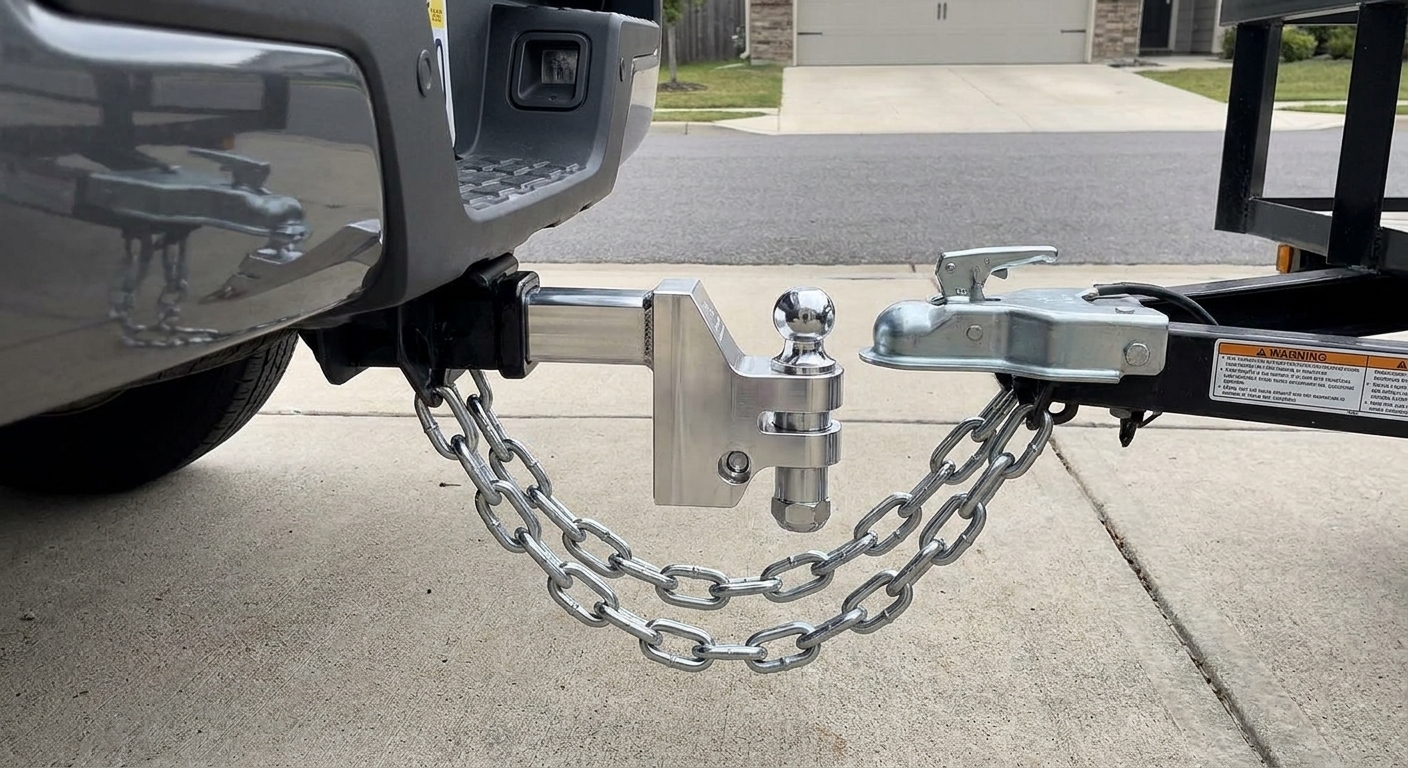
The quick answer
Steel ball mounts are usually the best value and the easiest choice for heavy, high-tongue-weight towing, especially if you do not mind occasional rust control and a little extra weight.
Aluminum ball mounts shine if you tow in wet or salty conditions, remove your hitch often, or want a lighter setup that still carries serious ratings when it is built correctly.
The key is this: do not buy by material alone. Buy by the actual stamped ratings on that exact mount, and match them to your trailer’s real numbers.
Strength and ratings
People love to say “steel is stronger than aluminum,” and in a pure materials-science sense, that can be true depending on alloy and heat treat. In towing, though, the only strength that matters is the manufacturer’s rated capacity for:
- Gross trailer weight (GTW)
- Tongue weight (TW)
- Weight distribution (WD) rating, if you use a WD hitch
You can find high-rated ball mounts in both materials. Many premium aluminum adjustable mounts are advertised in the 10,000 to 21,000 pound GTW range depending on the exact model, receiver size, and configuration. Those top-end numbers are usually tied to details like a 2.5-inch shank and specific ball sizes, and the WD rating can be different than the dead-weight rating. Treat any broad range as a shopping starting point and verify the exact stamped ratings on the hitch you are buying.
Where steel tends to win
- High tongue weight capacity for the money, like equipment trailers and deckovers
- More options in fixed-drop mounts, pintle combos, and specialty setups
- Less sensitivity to dings if you bang it around on job sites
Where aluminum holds its own
- Premium adjustable mounts that are engineered for big ratings
- Daily in-and-out use because you are not manhandling as much weight
- Corrosion-prone regions, where steel mounts slowly lose the fight against rust
My driveway rule: If your setup uses weight distribution, confirm the ball mount is explicitly rated for WD use. Plenty of mounts have a solid dead-weight rating but a different WD rating, and some are not approved for WD at all.
Ball mount vs WD parts
This trips people up, so let’s make it plain.
- Ball mount: The part that slides into your receiver and holds the hitch ball. It can be fixed or adjustable.
- Adjustable hitch: Still a ball mount, just with height adjustment (usually a vertical channel and two pins).
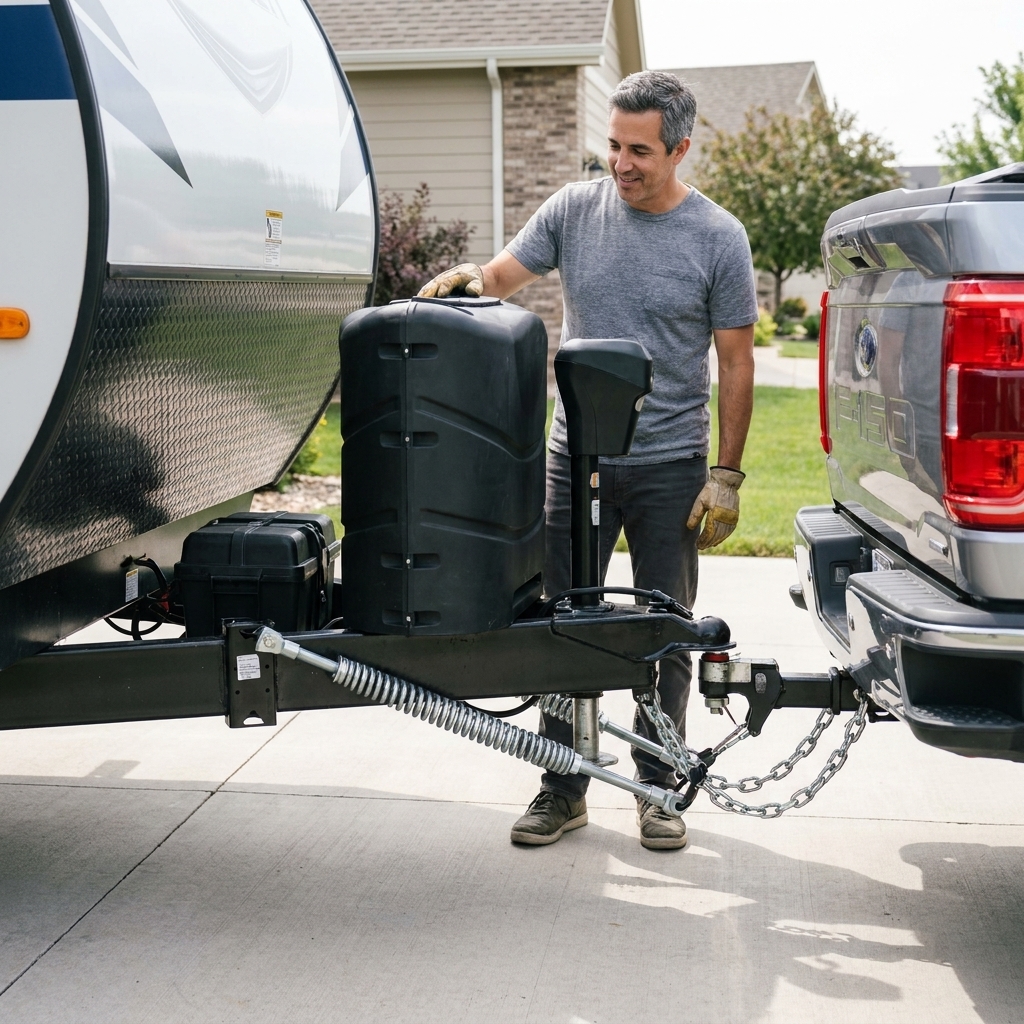
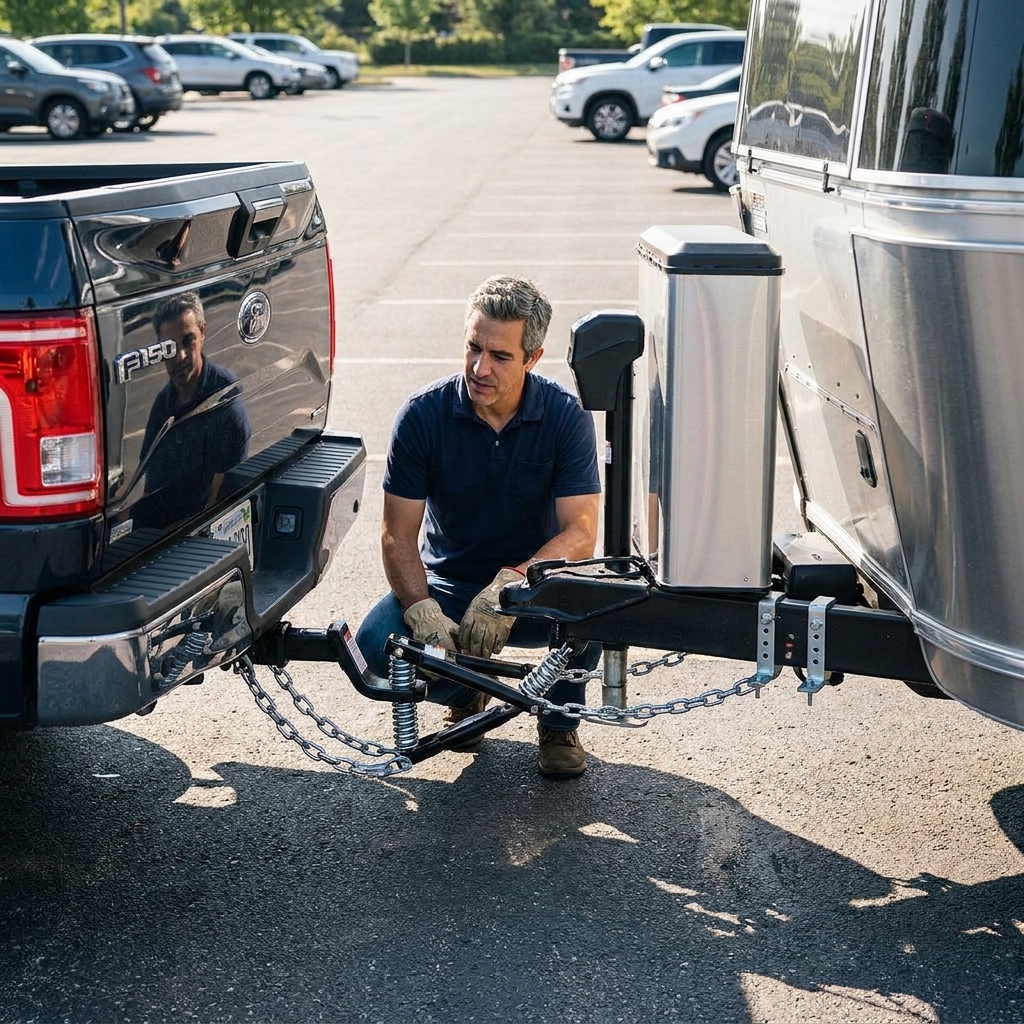
- WD shank and head: Many weight distribution hitches use a dedicated shank (in the receiver) plus a separate head assembly (where the ball and spring bars attach). In those setups, you are not shopping for a normal adjustable ball mount, you are shopping within that WD system.
Bottom line: if you tow with WD, do not assume a standard adjustable ball mount is a drop-in replacement for WD hardware. Match the system you actually run.
Corrosion resistance
This is the category where aluminum usually earns its keep.
Steel ball mounts
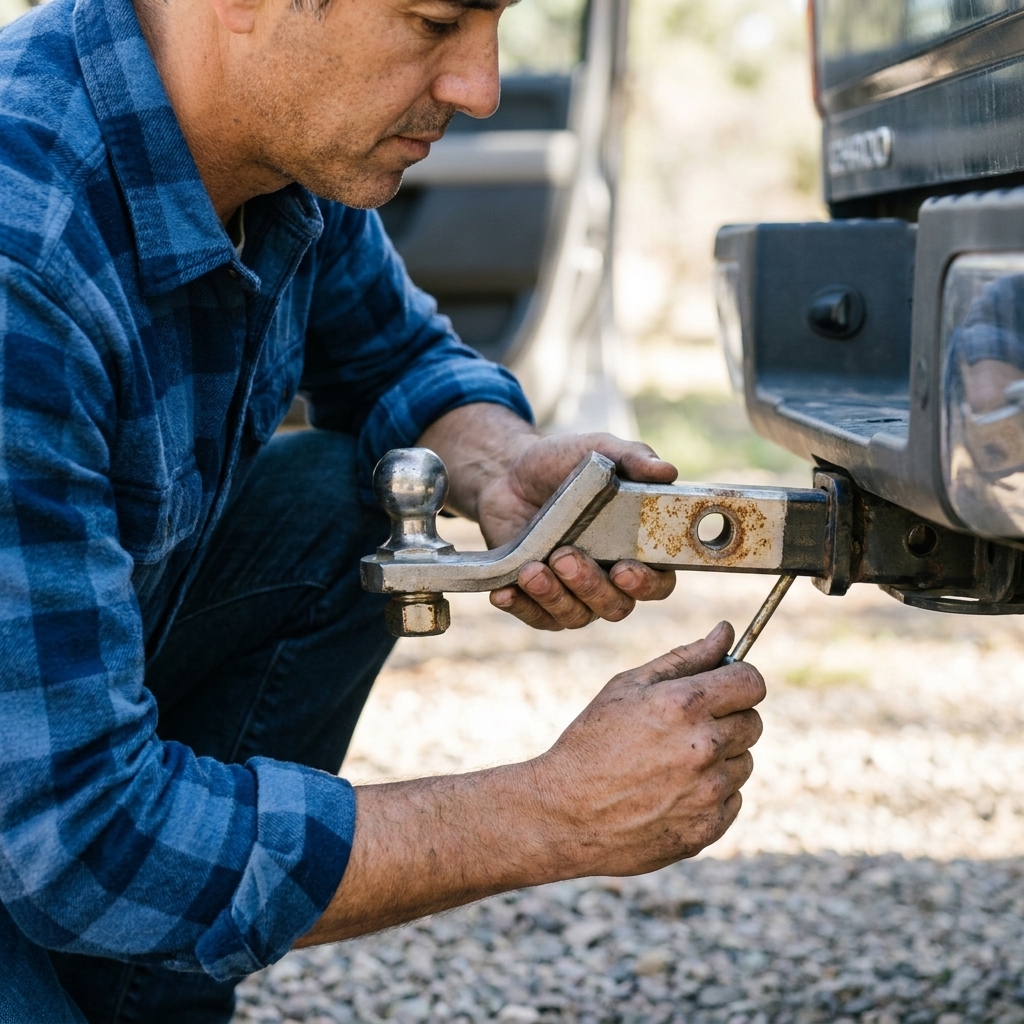
Most steel mounts are powder coated, e-coated, or plated. All of those coatings help, but the first time you drag the mount on a curb, chip it with a pin, or let it bounce around in the bed, you expose bare steel. Add water and road salt and you get rust. Over time, rust can:
- Make height-adjustment hardware harder to remove
- Leave stains on bumpers and tailgates
- Make the shank bind or seize in the receiver
- Turn simple maintenance into a breaker-bar project
You can manage it with occasional wire brushing, paint touch-up, and a light coat of anti-seize on pins and bolts. It is not hard, but it is another thing to stay on top of.
Aluminum ball mounts
Aluminum does not rust the way steel does. It can oxidize, but it generally holds up much better cosmetically and mechanically in wet climates and salty winters. That is why you see so many aluminum mounts on:
- Boat tow rigs
- Coastal trucks
- Vehicles that live on treated winter roads
One important note: aluminum and steel can create galvanic corrosion when they are in contact in the presence of an electrolyte (salt water is a great electrolyte). In practice, many premium mounts account for this with coatings, anodizing, or stainless hardware. It is still smart to:
- Pull the mount a few times a year
- Clean the receiver
- Use a light anti-seize on the hitch pin if the manufacturer allows it
Weight
If you only leave one hitch in the truck all season, weight might not bother you. If you swap between trailers, or you pull the mount so you can park in a tight garage, weight matters a lot.
Aluminum mounts are noticeably lighter than comparable steel mounts. That means:
- Easier on your back and shoulders
- More likely you will actually remove it instead of leaving it as a shin-killer
- Less clanging weight when you set it down or store it
Steel mounts are heavier, plain and simple. The upside is that weight can make a steel mount feel more “industrial,” and it tends to tolerate being abused.
Safety note: The weight difference does not meaningfully change your tow vehicle’s payload situation in most cases, but tongue weight absolutely does. Do not confuse “lighter hitch” with “I can tow more.” Your limiting factors are still payload, rear axle rating, receiver rating, and tire capacity.
Price
In general:
- Steel ball mounts cost less, especially fixed mounts or basic adjustable units.
- Aluminum ball mounts usually cost more, particularly the nicer adjustable styles.
What you are paying for with aluminum is typically:
- Corrosion resistance
- Lower weight
- Machining and finishes
- Brand features like built-in scales on certain models
What you are paying for with steel is typically:
- High ratings at a lower cost
- A wide range of configurations
- Proven durability in rough use
If you tow a few times a year on dry roads, steel is often the better value. If you tow boats, deal with winter brine, or want a mount that still looks decent after years of use, aluminum can be money well spent.
Daily durability
Here’s the practical difference I see most often.
Steel
Steel takes abuse well. If it rolls around with chains, binders, and recovery gear, it will get scraped up, but it usually stays serviceable. Rust is the long game, not instant failure.
Aluminum
Aluminum is plenty strong when engineered correctly, but it can show damage differently. Sharp impacts can leave gouges. Threaded areas and adjustment mechanisms should be kept clean. It is not fragile, but I treat aluminum adjustable hitches more like a precision part than a chunk of farm iron.
Either way: if your ball mount has been in a wreck, dropped off the tailgate onto concrete repeatedly, or shows bending, cracked coatings, or deformed pin holes, replace it. Ball mounts are cheaper than bodywork and hospital bills.
Fit and noise
A ball mount that fits sloppy in the receiver can clunk on starts and stops. Material can play into this, but it is more about tolerances and anti-rattle features than aluminum vs. steel.
- Some premium aluminum adjustable mounts are machined very precisely and feel tight.
- Some steel mounts fit loose until you add an anti-rattle clamp or a locking anti-rattle hitch pin.
If noise bothers you, budget for an anti-rattle solution no matter which material you choose.
What to look for
If you are shopping and all the listings are starting to blur together, here is what I check before I buy.
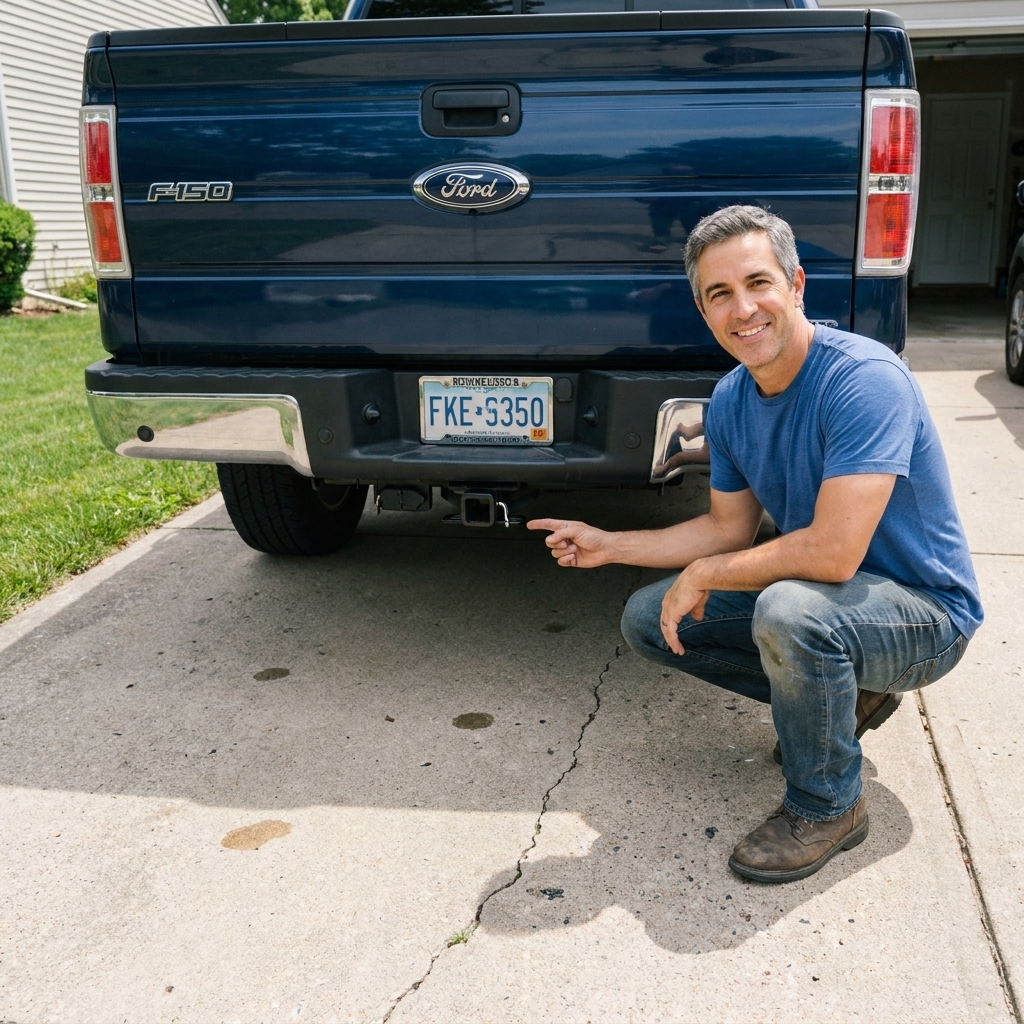
- Receiver size: 2-inch vs 2.5-inch. Match the shank to the receiver when possible.
- Pin size: Most full-size receivers use a 5/8-inch pin, but verify your receiver and the mount.
- Stated ratings: GTW, TW, and WD ratings (if applicable) should be clearly published and ideally stamped on the part.
- Hardware quality: Pins and bolts should feel substantial. Better adjustable hitches tend to use higher-quality, tighter-tolerance hardware.
- Anti-rattle strategy: Built-in tighteners are nice, but an anti-rattle clamp or locking pin can do the job too.
- Torque specs: The manufacturer should publish ball torque and hardware torque. If you cannot find specs, that is a red flag.
- Ball size and rating: 2-inch, 2 5/16-inch, and 1 7/8-inch balls have different ratings. Make sure the ball matches the coupler and has the capacity to back it up.
How to choose
If you are torn, answer these questions:
1) What is your heaviest trailer and your real tongue weight?
Pick a mount whose tongue weight rating comfortably exceeds your expected TW. For travel trailers, tongue weight is commonly 10 to 15 percent of trailer weight. For equipment trailers, it can vary a lot depending on load placement.
2) Do you tow in salt, near the ocean, or on wet treated winter roads?
If yes, aluminum becomes a stronger candidate, especially if you are tired of rust maintenance.
3) Do you remove your hitch often?
If you do, lighter aluminum is a quality-of-life upgrade you will feel every week.
4) Are you using weight distribution?
Confirm WD rating and compatibility. Do not assume.
5) Is your receiver 2-inch or 2.5-inch?
Match the shank to the receiver when possible. Using a reducer sleeve can work, but it can also add movement and noise if it is not set up well.
Common scenarios
Boat trailer and wet launches
Lean aluminum. Corrosion resistance matters, especially around adjustment hardware and pins.
Travel trailer weekends
Either works. If you tow a lot and remove the mount often, aluminum is a comfort upgrade. If you want the best value and do not mind occasional rust control, steel is great.
Equipment trailer and job sites
Lean steel for value and abuse tolerance, unless you specifically need an aluminum unit with the right rating and you will take care of it.
Mixed trailers, changing drop often
Adjustable aluminum or adjustable steel both make sense. Buy the one with the right ratings, solid hardware, and a reputation for staying tight and not slipping.
Safety checks
- Verify ratings on the mount, ball, pin, and receiver. Your system is only as strong as the weakest rated part.
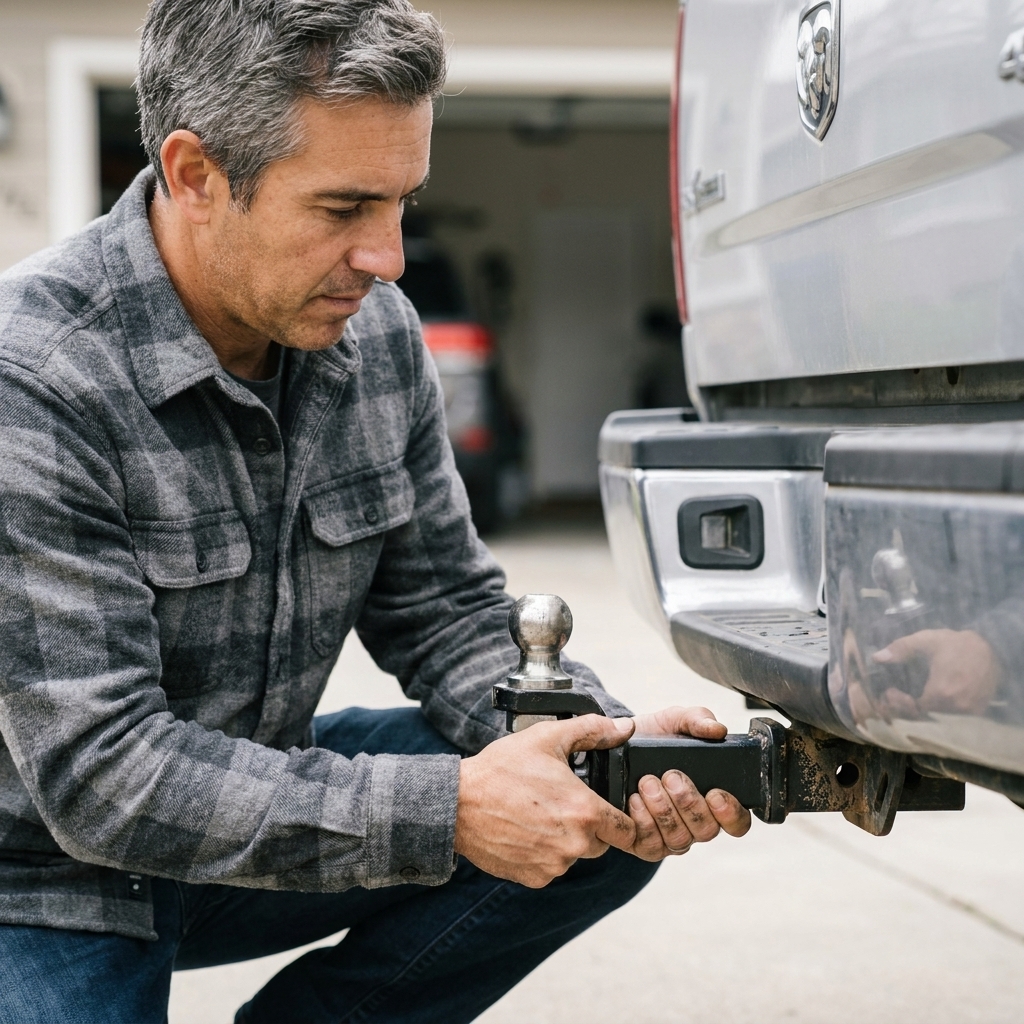
- Torque the hitch ball to spec using the correct socket and a real torque wrench. Re-check after the first trip.
- Use the right hitch pin diameter and make sure the clip is fully seated.
- Inspect the pin hole for elongation and the mount for bending or cracks.
- Grease the ball lightly for most couplers unless the coupler manufacturer says otherwise. It reduces wear and noise.
- Set your trailer level. An out-of-level trailer can hurt handling, braking, and tire wear.
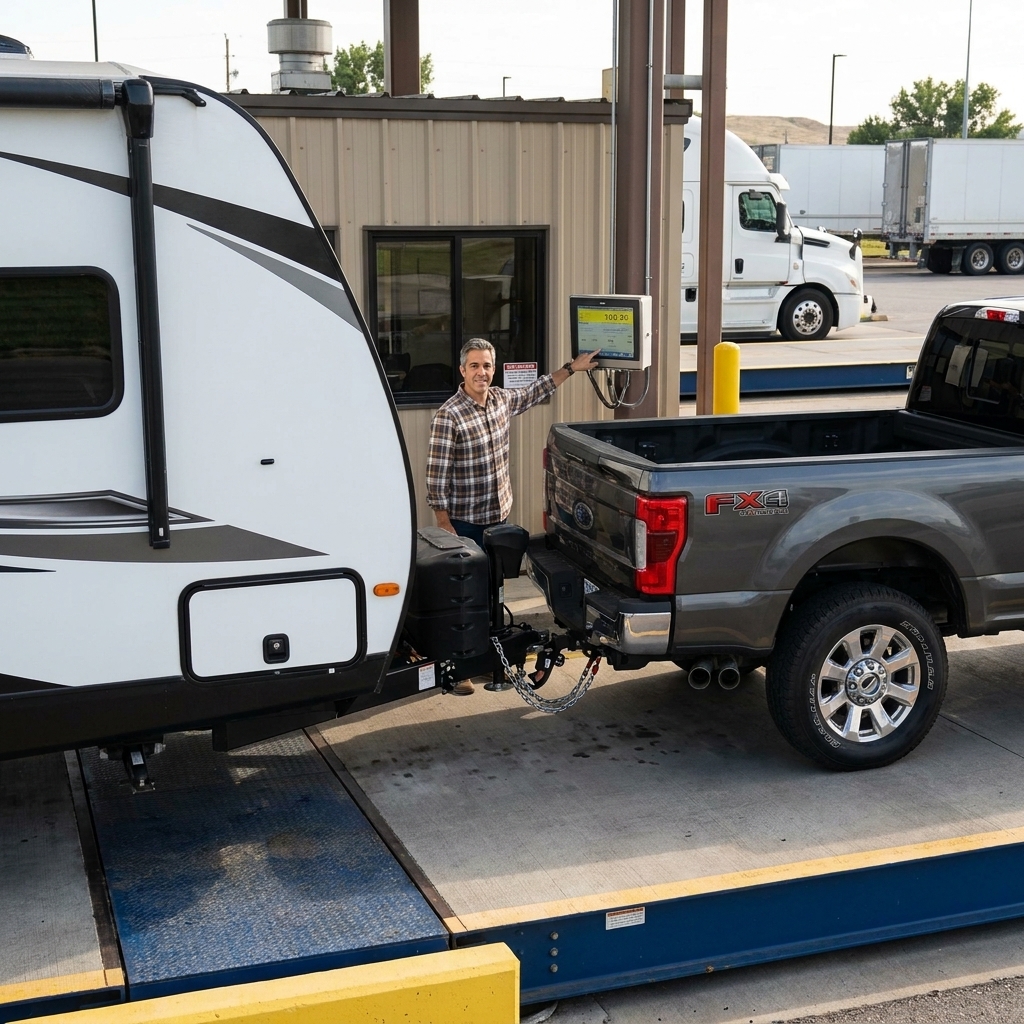
One more fleet guy tip: if you are upgrading the ball mount because towing feels sketchy, do not stop there. Measure tongue weight, check tire pressures on truck and trailer, and confirm your weight distribution is actually transferring weight correctly. The ball mount is one link in the chain.
FAQ
Is an aluminum ball mount safe for heavy towing?
Yes, if it is rated for the weight you are towing and used correctly. Ignore material hype and follow the stamped GTW and TW ratings for that exact mount.
Do aluminum ball mounts wear out faster?
Not automatically. Wear depends on design, hardware quality, maintenance, and how much grit, salt, and vibration the hitch sees. Keep adjustment areas clean and inspect regularly.
Will aluminum and steel cause corrosion in the receiver?
It can happen in salty environments due to galvanic corrosion, but it is usually manageable with basic maintenance like cleaning, drying, and using appropriate anti-seize where allowed.
Which is better for a daily driver that tows on weekends?
If you remove the hitch often, aluminum is a comfort win. If it stays installed and you want the best price-to-rating value, steel is hard to beat.
Bottom line
If you want the simplest, most budget-friendly path to a high-rated setup, steel is usually the move. If you tow in harsh conditions or you are tired of fighting rust and lifting a heavy mount in and out of the receiver, a quality aluminum ball mount is one of those upgrades that makes towing feel cleaner and easier every single trip.
Whichever way you go, buy based on ratings, compatibility, and real maintenance habits, not just the material stamped on the box.