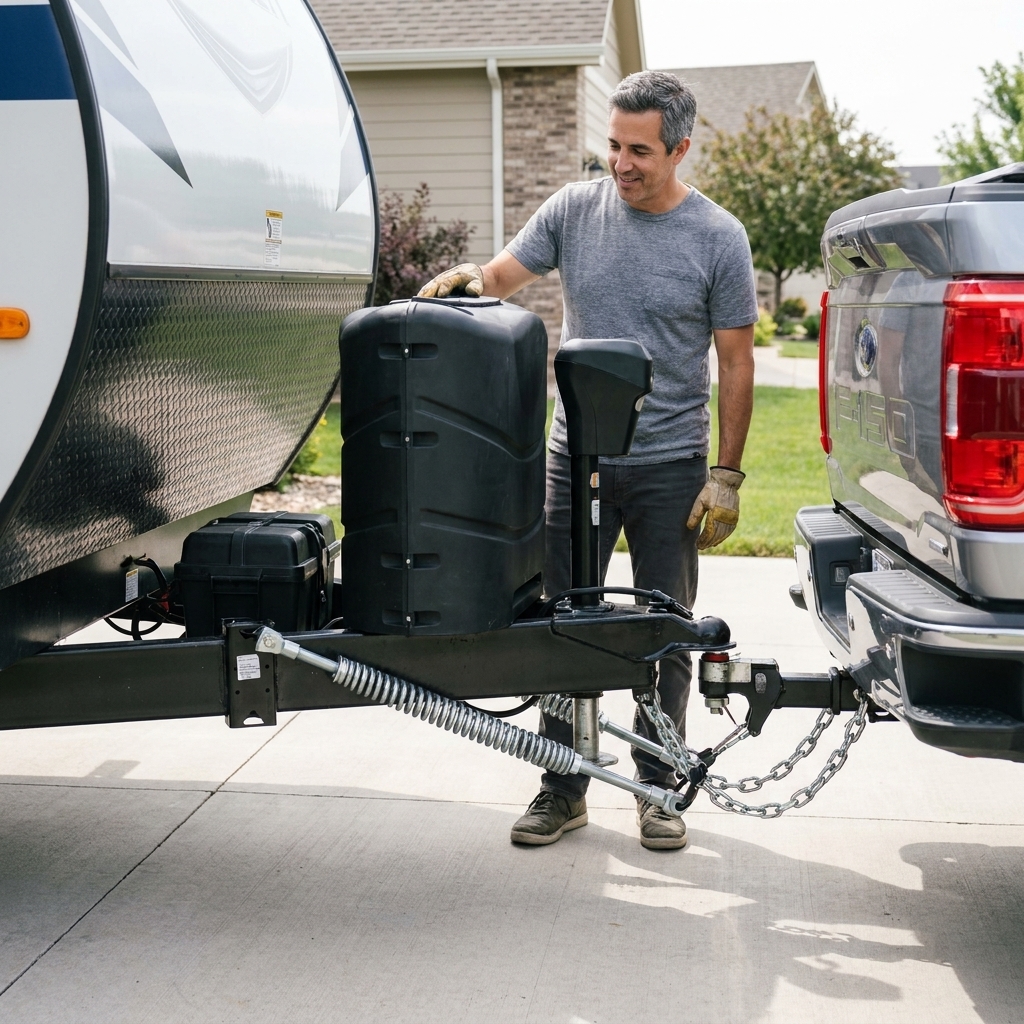
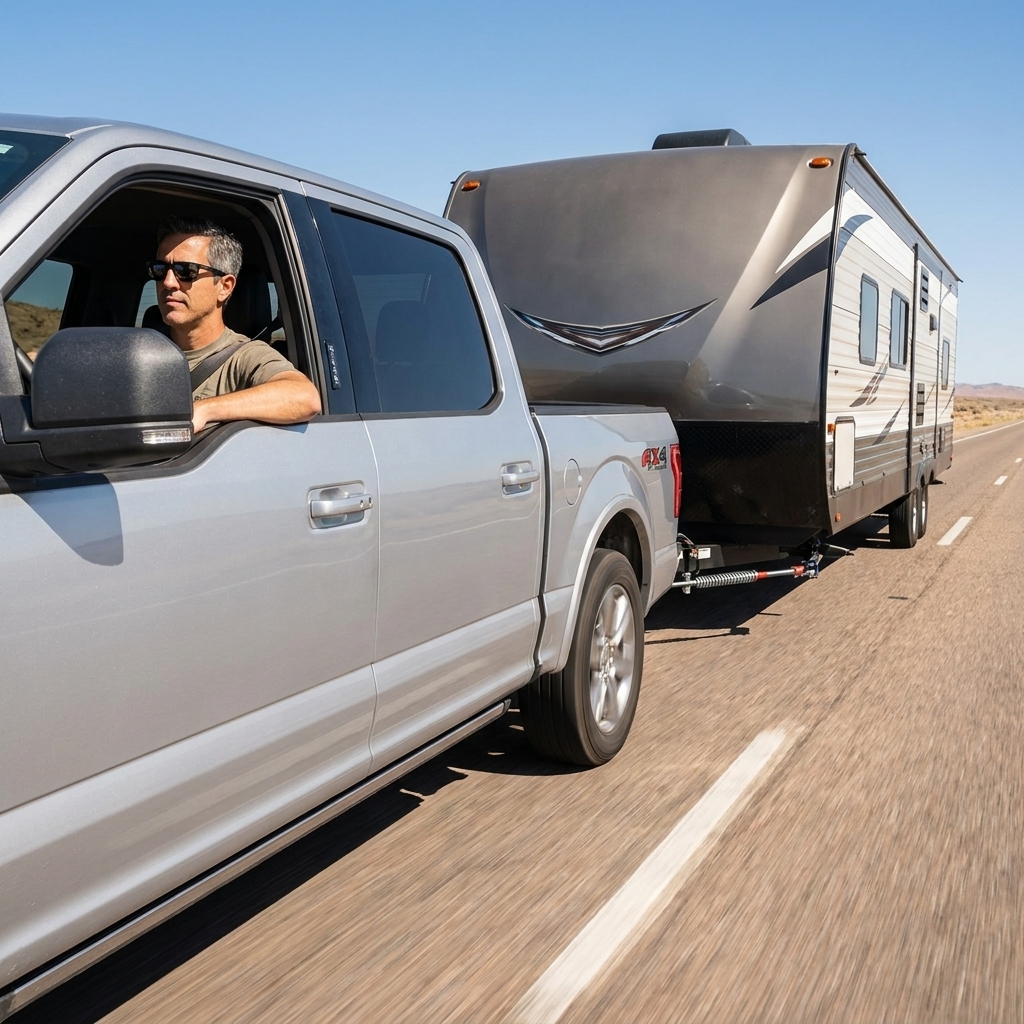
If you have ever hitched up a trailer and watched the back of your truck squat like it is sitting on a cinder block, you have already met the core issue: how the tongue weight is being carried. A standard receiver hitch can be perfectly safe for the right load. But once trailers get longer, heavier, or more sensitive to sway, a weight distribution hitch (WDH) stops being “nice to have” and starts being the tool that keeps your rig level, stable, and predictable.
I have set up hitches for everything from jobsite equipment trailers to family travel trailers, and the best advice I can give is simple: pick the hitch based on the physics, not the vibes. Let’s break down what each system does and how to choose the safest option for your trailer.
Standard receiver hitches
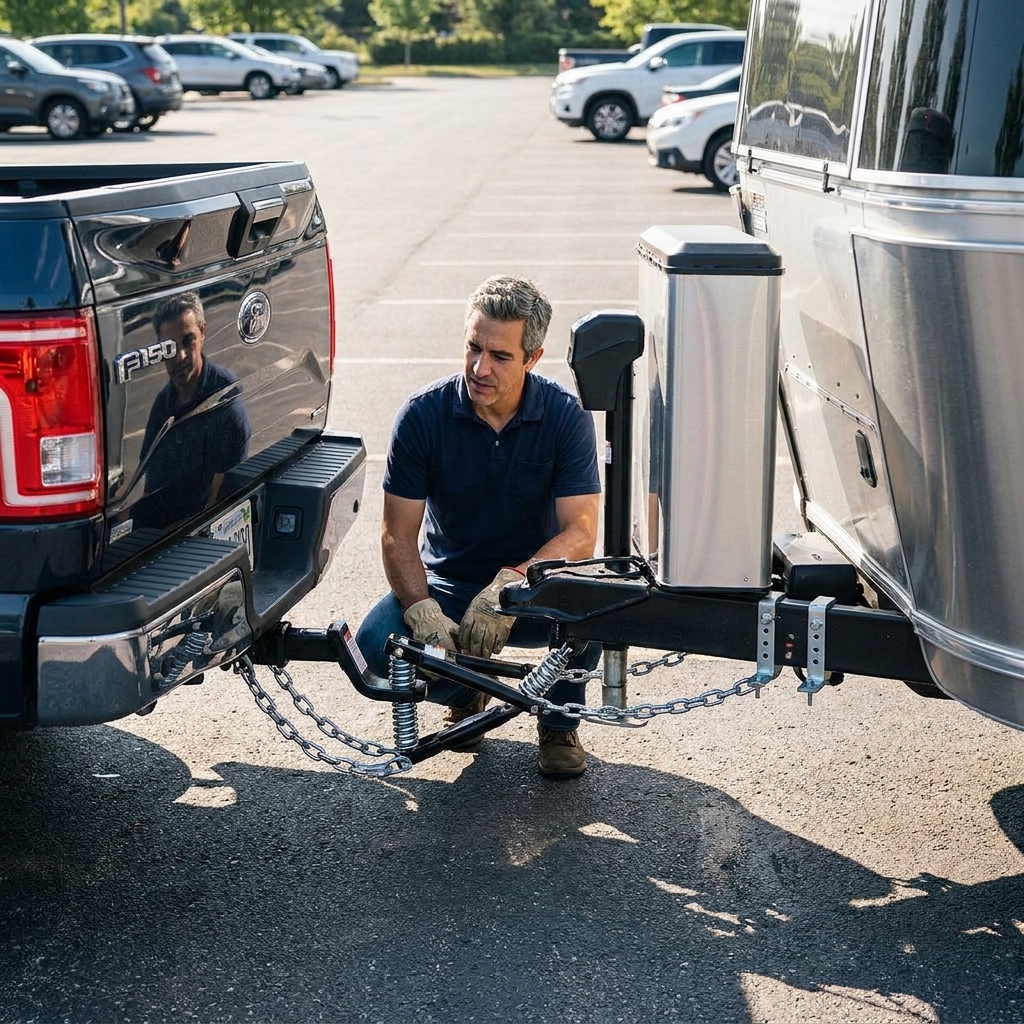
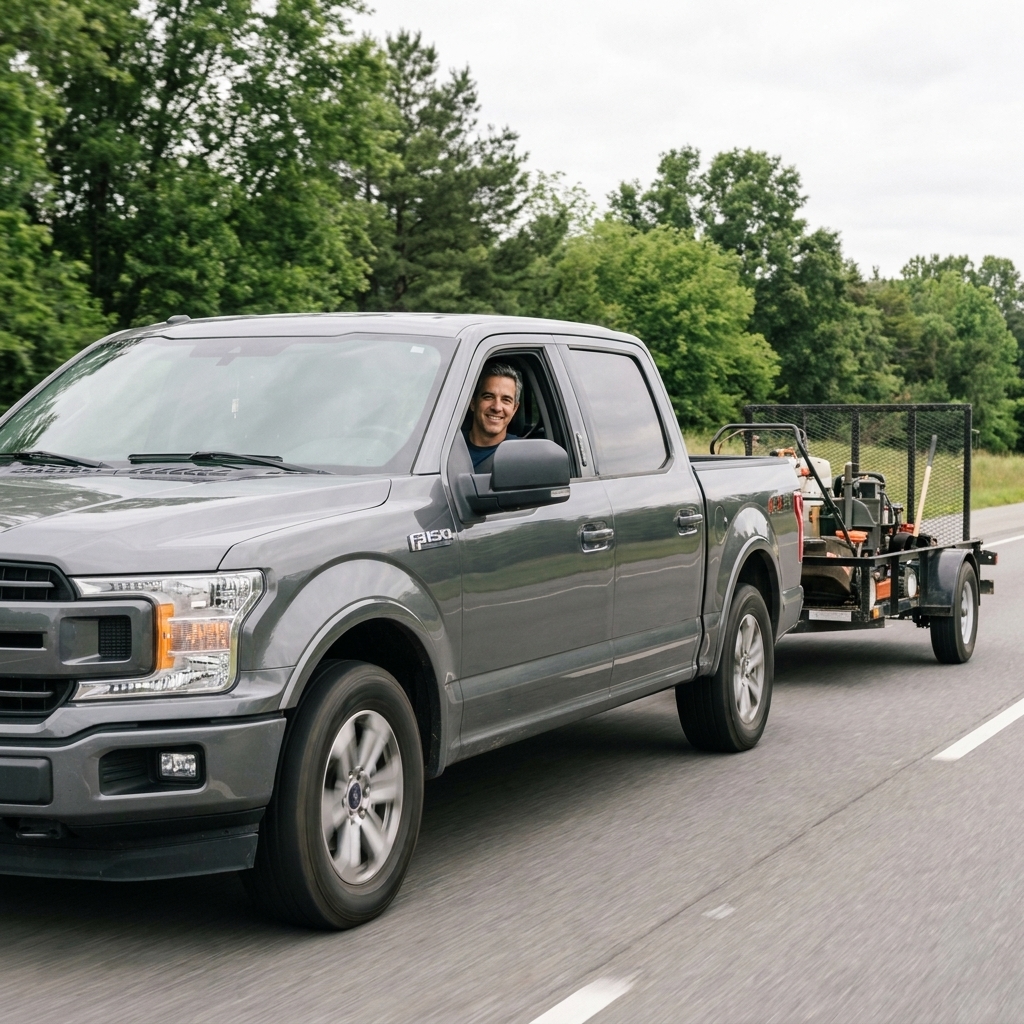
A “standard hitch” usually means a receiver hitch on the truck (the 2-inch or 2.5-inch receiver tube) with a ball mount inserted, then a hitch ball that matches your coupler (2-inch, 2 5/16-inch, etc.). It is a simple lever: the trailer’s tongue weight pushes down behind the rear axle, and the truck’s rear suspension carries it.
Pros
- Simple and quick: fewer moving parts and easier hookup.
- Less cost and less maintenance: no spring bars, brackets, or grease points beyond the ball itself.
- Great for smaller, shorter trailers: many utility, landscape, and small boat trailers tow beautifully on a standard ball mount when loaded correctly.
Cons
- Rear squat is real: tongue weight unloads the front axle a bit, which can reduce steering and braking grip up front.
- Headlights aim up: not just annoying, it reduces your visibility and can blind oncoming traffic.
- More prone to sway on long trailers: especially tall travel trailers that catch crosswinds and passing trucks.
My rule of thumb: if the trailer is relatively short, relatively light, and the truck stays level with good front-end feel, a standard hitch can be the right call. But do not confuse “it pulls” with “it is set up right.”
Weight distribution hitches
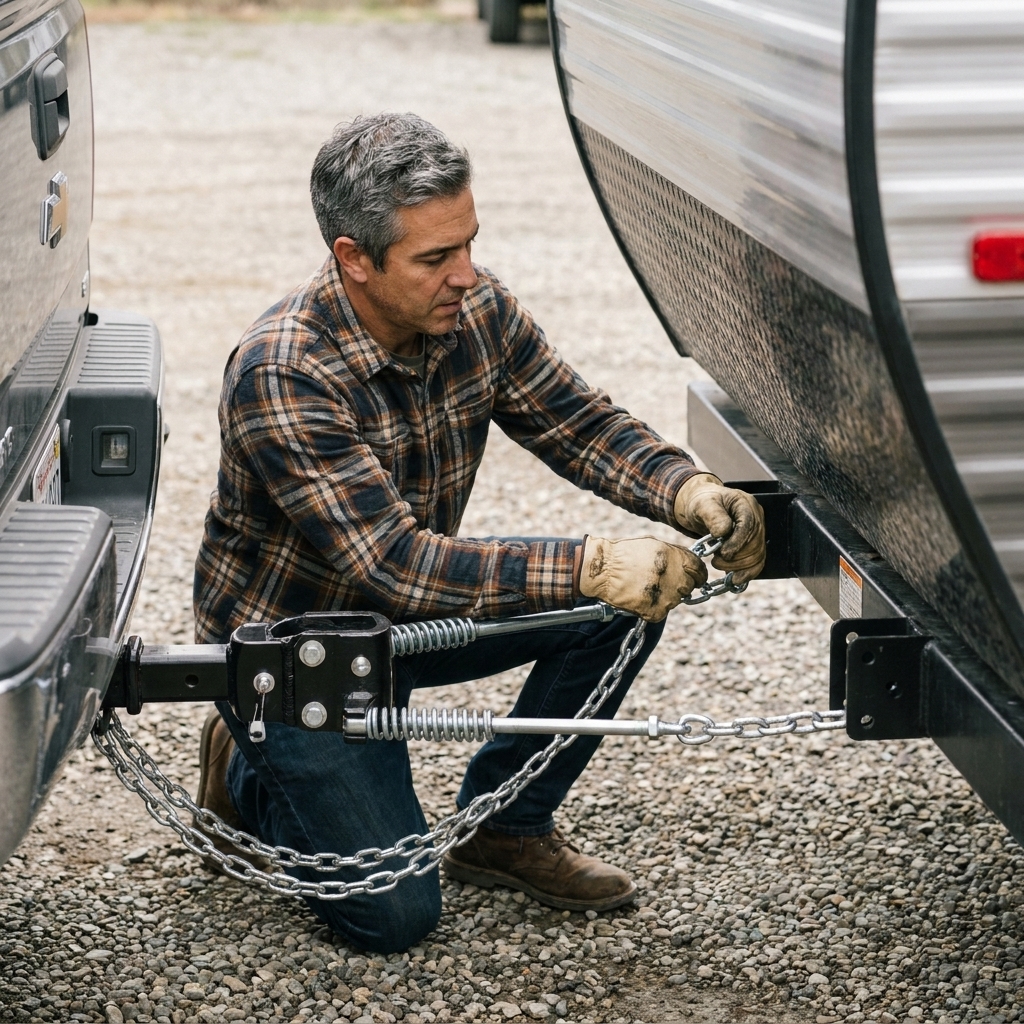
A weight distribution hitch is still a receiver-based system, but it adds spring bars (or trunnion bars) that act like long levers. Those bars apply torque at the hitch head and push up on the truck while pushing down on the trailer frame. The result is that some of the tongue weight gets redistributed forward onto the truck’s front axle and back onto the trailer axles.
That is the whole game. More weight back on the front tires means better steering feel, better braking balance, and less “floating” on the highway.
What a WDH helps with
- Restoring ride height: reduces rear squat and gets the rig back closer to level.
- Front axle traction: helps keep steering and braking confidence where it belongs.
- Sway control (when equipped): many WDH setups include built-in sway control or can add it.
What a WDH does not do
- It does not increase your tow rating: if your truck is overloaded on payload, axle ratings, hitch rating, or tires, a WDH cannot “fix” that on paper or in reality.
- It does not cure bad loading: too little tongue weight or a tail-heavy trailer can still sway, even with fancy hardware.
- It does not replace brake control: you still need properly functioning trailer brakes and a correctly set brake controller.
When you need weight distribution
Manufacturers will often state when a WDH is required or recommended in the owner’s manual for your truck and sometimes on the hitch itself. That guidance is there for a reason. It is tied to how the vehicle and receiver were tested, rated, and intended to be used. Follow the owner’s manual and the receiver label first.
One quick reminder that saves people a lot of confusion: tongue weight still counts against payload. A WDH can help balance axle loads, but it does not make the tongue weight disappear from your truck’s payload number.
That said, here are practical triggers that tell me a WDH is the safer choice.
You likely need a WDH if:
- Your trailer is a travel trailer: tall, long, and wind-sensitive by nature. Many travel trailers tow best with WD plus sway control.
- The truck squats noticeably: especially if the front looks like it rises, or steering feels lighter after you hitch up.
- Your tongue weight is substantial: tongue weight around 10 to 15 percent of trailer weight is typical. As tongue weight climbs, WD becomes more useful fast.
- You feel porpoising: that fore-aft pitching and up-and-down bouncing over dips can improve when the rig is leveled and balanced.
- You are near the limits: if you are anywhere close to payload, rear axle rating, or hitch ratings, you want the most stable setup possible.
You may not need a WDH if:
- It is a small, light trailer: many short utility and small boat trailers with modest tongue weight tow great on a standard ball mount.
- Your truck stays level and composed: no steering lightness, no sway, and no harsh rear suspension bottoming.
- Your owner’s manual explicitly says WD not required: some setups are designed around weight-carrying towing for smaller loads.
Quick safety check you can do in your driveway: measure your front and rear fender height before and after you hitch up, on level ground, at the same points each time. If the front rises noticeably, you are taking weight off the steering axle. That is where WD earns its keep. Many setups aim to restore most of that front-end rise, but always use your hitch and vehicle instructions as the final word.
Side by side comparison
| Feature | Standard hitch (weight-carrying) | Weight distribution hitch |
|---|---|---|
| How it carries tongue weight | Mostly on the truck’s rear axle | Shares load across front axle and trailer axles |
| Best for | Light to moderate, shorter trailers | Heavier, longer, wind-sensitive trailers |
| Ride height and leveling | More squat as tongue weight increases | Restores level stance when set correctly |
| Sway management | None unless you add a separate friction sway device | Often integrated sway control options |
| Setup complexity | Low | Medium, needs adjustment and periodic checks |
| Cost | Lower | Higher |
What about sway control?
People mix these terms up, so let’s untangle them. Weight distribution is about balancing axle loads. Sway control is about resisting that side-to-side oscillation that can build when a trailer gets pushed by wind, road crown, or passing semis.
Many modern WDH systems include sway control, commonly through:
- Friction: a separate friction bar or built-in friction surfaces that resist movement.
- 2-point sway control: resistance at the hitch head.
- 4-point sway control: resistance at both the hitch head and the trailer bracket points.
If you are towing a travel trailer, especially a longer one, I strongly prefer a WDH with integrated sway control. It is one of those things you appreciate most on the day the weather turns ugly.

How to size a WDH
Most WDH problems I see come from sizing or adjustment, not the brand name on the box.
Start with real numbers
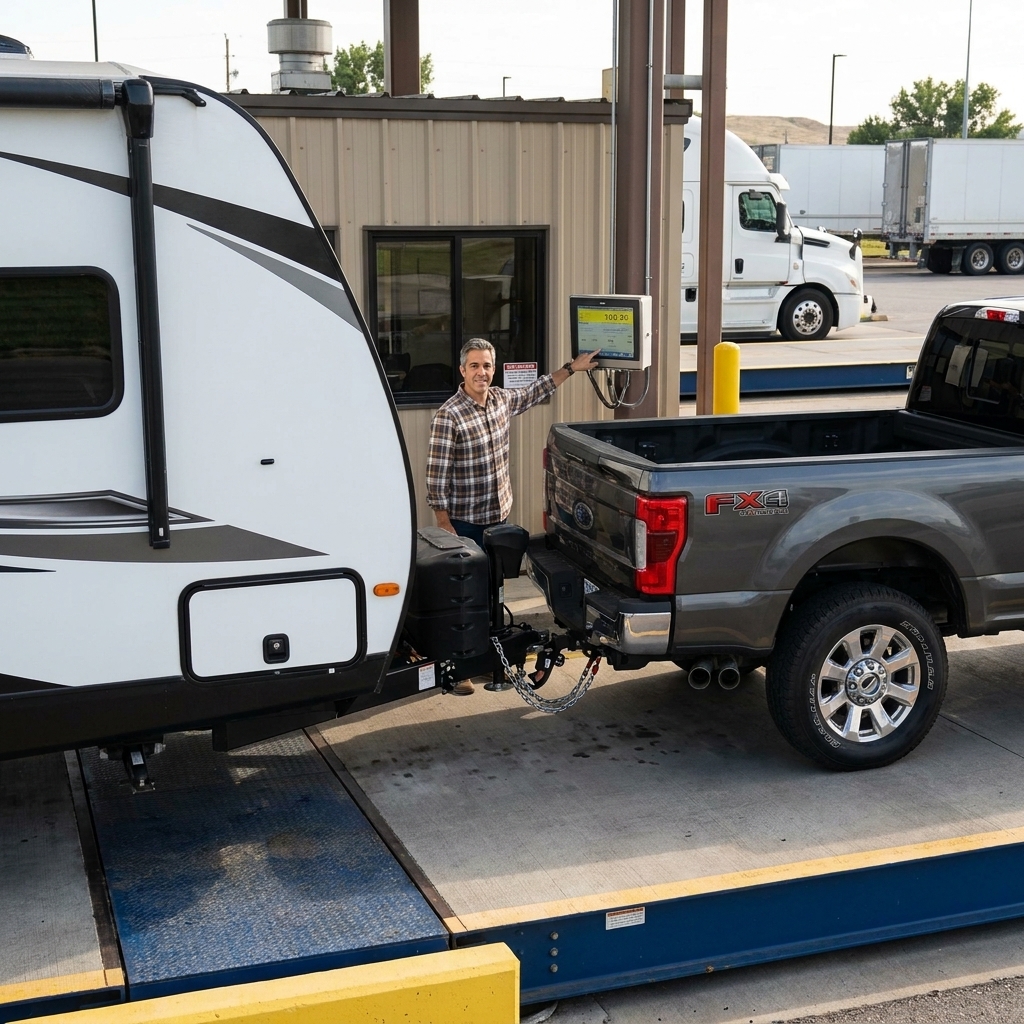
- Loaded trailer weight: not brochure “dry” weight. Use a public scale when you can.
- Actual tongue weight: the number that matters for spring bar rating. A tongue scale is ideal, but a scale method works too.
Target tongue weight: typically 10 to 15 percent of the loaded trailer weight for conventional bumper-pull trailers. Too little tongue weight is a common cause of sway.
Match spring bars to tongue weight
Choose spring bars that cover your actual tongue weight range. Not empty trailer tongue weight, and not “maximum possible.” If your tongue weight is 650 pounds loaded, bars in the 600 to 800 range are usually a good fit. Overspringing can make the ride harsh and, if you crank in too much tension, it can negatively affect ride and handling on rough roads.
Check all the ratings
- Receiver rating: many receivers have different ratings for weight-carrying vs. weight-distributing.
- Hitch head and shank rating
- Hitch ball rating
- Trailer coupler rating
The safe towing number is the lowest-rated component in the chain.
Setup basics
A properly adjusted WDH should make the truck and trailer sit level or close to it, and it should restore front axle load without going overboard.
Driveway checklist
- Level the trailer: start with the trailer frame roughly level front to back.
- Measure before and after: take fender height measurements at all four corners if possible, on level ground, at consistent points.
- Set ball height and head angle: follow your hitch instructions, then fine-tune.
- Tension the bars evenly: same chain links or same bracket position on both sides.
- Recheck after a short tow: hardware can settle. Retorque where the manufacturer specifies.
Ben’s driveway-fence advice: If your setup makes the truck look level but the steering still feels light, you are not done. Level is good, but axle load balance is what you are chasing.
Common misconceptions
“My truck is heavy, so I don’t need weight distribution.”
A heavier truck helps, but tongue weight still acts behind the rear axle. Even three-quarter-ton and one-ton trucks can benefit from WD when towing longer travel trailers. The question is stability and axle loading, not just toughness.
“Airbags fix squat, so I’m good.”
Airbags can level the rear and improve ride quality, but they do not automatically put weight back on the front axle the way WD does. They are not the same tool. Sometimes airbags and WD together make a great combo, but you still adjust the WDH properly.
“A WDH makes it okay to exceed payload.”
No. Payload is payload. A WDH can redistribute axle load, but the truck still has to carry the tongue weight and the people, cargo, and gear in the cab and bed.
“Any SUV can run a WDH.”
Not always. Some unibody SUVs and crossovers restrict or prohibit weight distribution hitches, and some require specific hardware. This is one of those times where the owner’s manual is not optional reading. If your manufacturer says no WD, believe them and choose a trailer and loading plan that fits the vehicle’s limits.
Real-world examples
Small 5x8 utility trailer with a lawn tractor
Usually a standard ball mount is fine if the tongue weight is appropriate and the trailer is loaded with the heavier portion forward of the axle. I still want working lights, good tires, and proper tie-downs.
20-foot enclosed cargo trailer
Often worth considering WD, especially if it is tall and you tow at highway speeds. Enclosed trailers catch wind, and the longer the box, the more they can steer the truck around.
28-foot travel trailer for family camping
WD with integrated sway control is my pick. Long trailers amplify every little input. A good WDH turns towing from “managing it constantly” into “driving normally.”
FAQ
Can I use a weight distribution hitch on any trailer?
Only if the trailer frame and coupler are rated for it and the manufacturer allows it. Some lightweight or specialty frames are not designed for WD forces. Check your trailer manual and the coupler label.
Do I need a WDH if my trailer has a sway control bar?
Sway control and weight distribution solve different problems. A friction sway bar can help with sway, but it does not restore front axle load like a WDH. For many travel trailers, WD plus sway control is the best solution.
Will a WDH help with braking?
Indirectly, yes. By restoring balance and front axle traction, the truck tends to brake more predictably. But you still need properly adjusted trailer brakes and a correctly set brake controller.
Is a WDH required by law?
It depends on where you live. Many places do not specifically require a weight distribution hitch by name, but they do have enforceable rules around things like trailer brakes, breakaway systems, lighting, safety chains, and load securement. On top of that, your vehicle and hitch may require WD for certain weights as part of their rated configuration. The safest move is to follow your owner’s manual, receiver label, and local regulations.
The bottom line
A standard hitch is great when the trailer is light enough and short enough that your truck stays level and planted. A weight distribution hitch is the right call when tongue weight and trailer length start to change how your truck steers, stops, and handles crosswinds.
If you are on the fence, here is the simple deciding question: Does the trailer change the way the truck drives? If the answer is yes, step up to weight distribution and, for most travel trailers, add real sway control. Your hands will relax on the wheel, your family will ride more comfortably, and your truck will thank you for it.