If you tow in real life, rain happens. Snow happens. And if you live anywhere that sees road salt, your hitch is basically sitting in the splash zone behind your rear tires. The good news is hitch rust and wear are mostly preventable with a few habits that take minutes, not hours.
I’ve managed fleets where a truck might hook up to three different trailers in a week, and I’ve also towed my family camper through muddy campgrounds and salty mountain passes. Same lesson every time: a clean, protected hitch is quieter, easier to hook up, and way less likely to surprise you with a seized pin or a crusty ball.
1) Rinse salt off early
Road salt does not politely wait until spring. It creeps into the receiver tube, sits on the pin, and builds a gritty paste that holds moisture against bare metal. The easiest rust prevention is simply removing the salt before it has time to work.
What to do
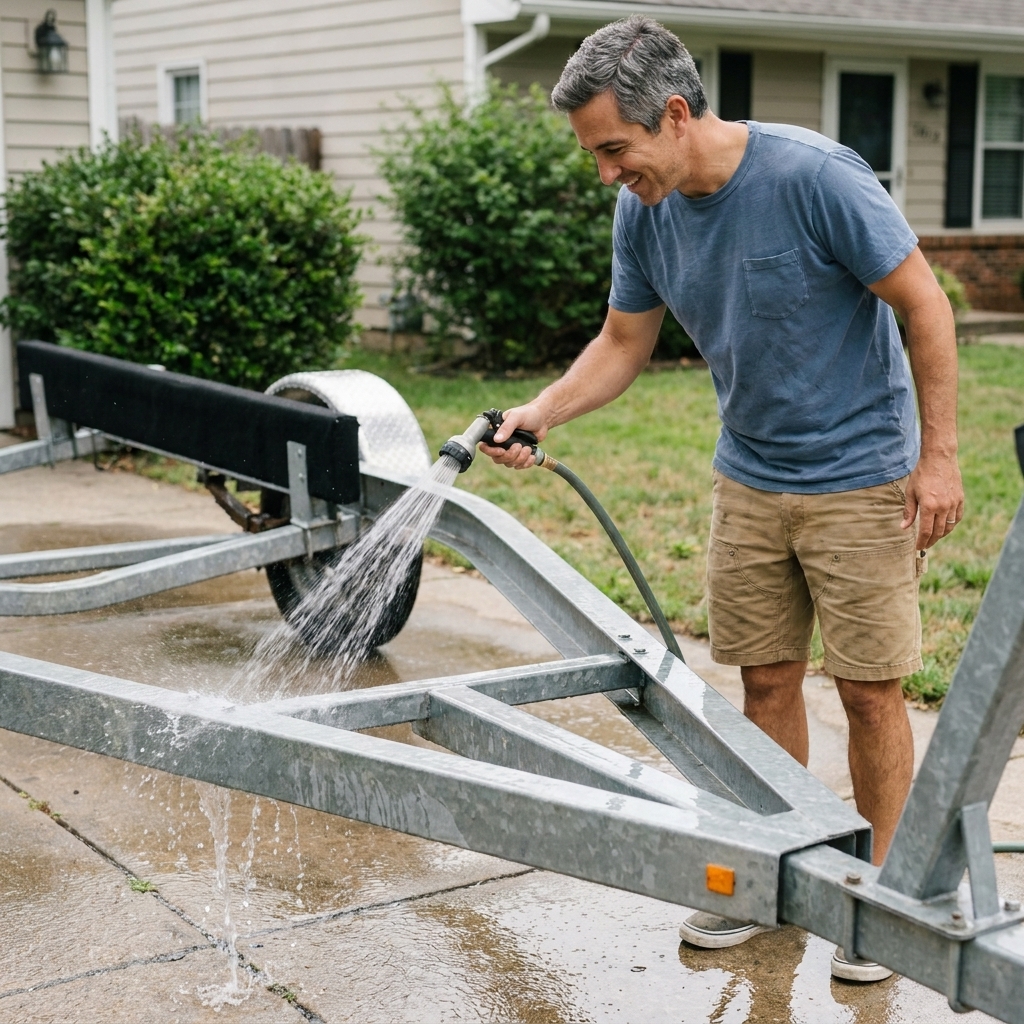
- Rinse after storms and salted roads. A garden hose works. If you use a pressure washer, keep the nozzle back and avoid aiming directly at wiring plugs. High pressure can force water past seals, even on connectors that look well protected.
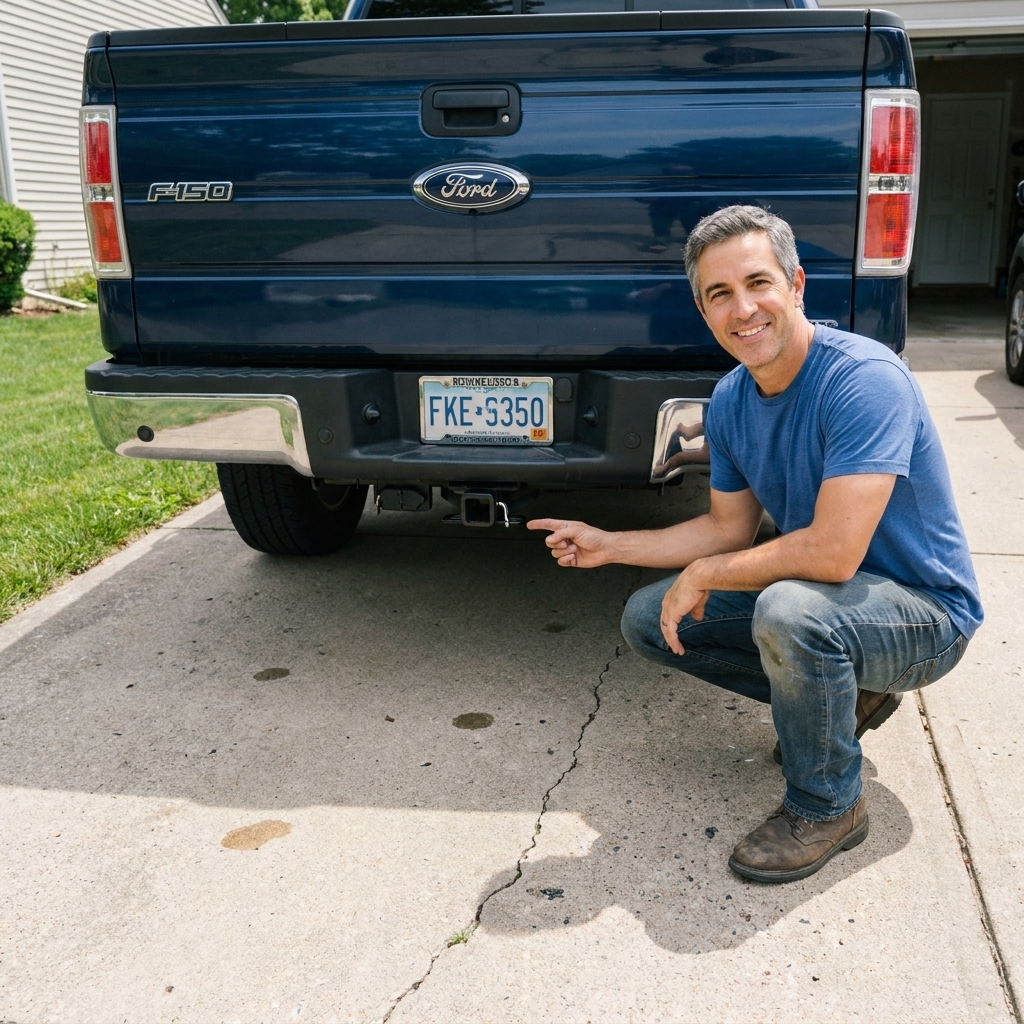
- Hit the receiver tube interior. Aim the water into the opening for a few seconds, then let it drain.
- Wash the ball mount and pin too. If you leave your drawbar in all winter, you can trap salty slush in the joint.
Quick drying tip
After a rinse, take a short drive and brake gently once or twice. The heat and airflow help dry everything out faster than letting it drip in place.
2) Remove the ball mount
A lot of wear comes from the spots where metal rubs metal: the shank sliding in the receiver tube, the hitch pin passing through both pieces, and the hitch ball where the coupler pivots. Corrosion and fretting can add to it, but dirt is the accelerant that turns normal movement into grinding.
What to do
- Pull the ball mount regularly. Monthly in winter is not overkill if you drive salted roads.
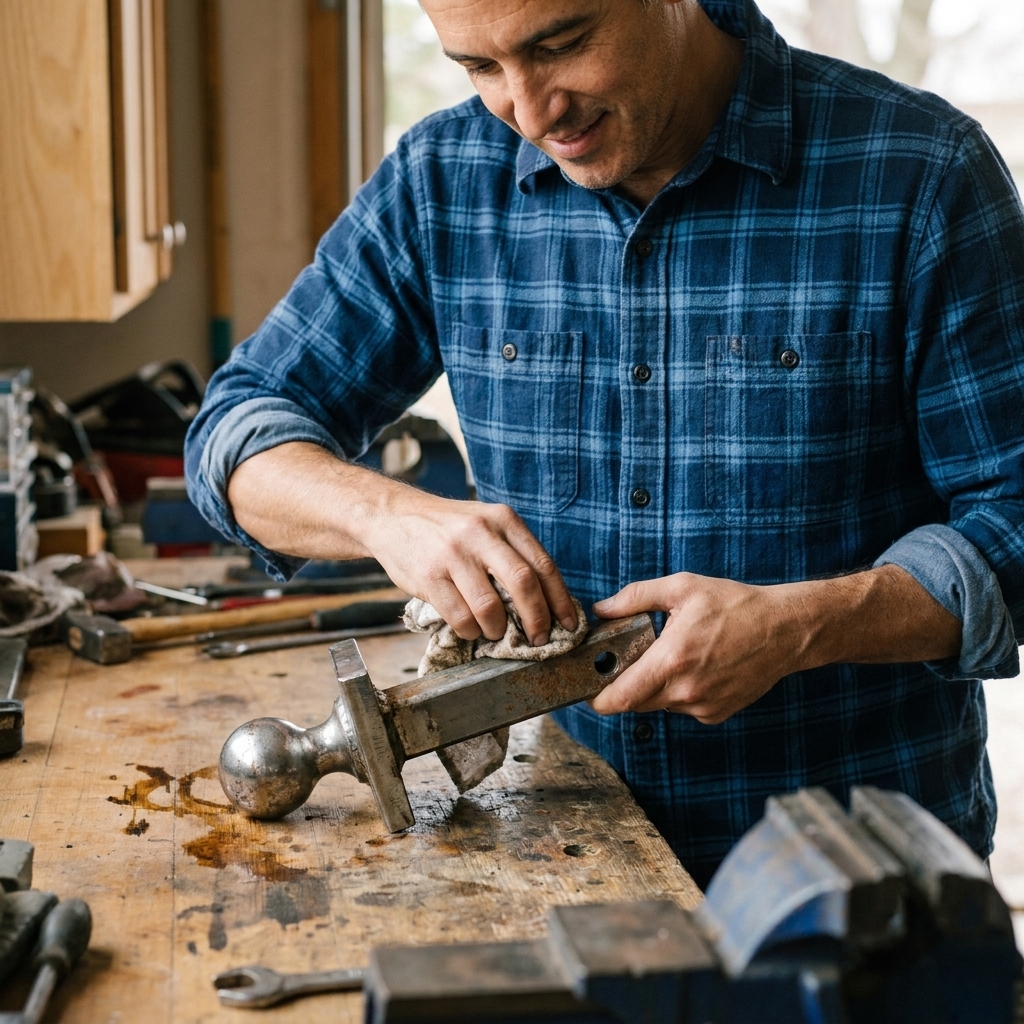
- Brush the receiver opening and shank. A small wire brush or nylon detail brush knocks off scale and packed grit.
- Wipe everything dry. A rag plus a little brake cleaner on the drawbar shank works well. Use it sparingly and keep it off wiring, connector seals, bushings, plastics, and painted surfaces.
3) Lube the right spots
Lubrication is where a lot of folks either do nothing or go way too heavy. The goal is a thin protective film that reduces wear and blocks moisture, without turning your hitch into a grime magnet.
Where to lubricate
- Receiver tube interior: A light coat of spray lubricant or rust-inhibiting oil on the inside walls.
- Ball mount shank: Wipe on a thin film so it slides in and out without galling.
- Hitch pin and clip: One of the most overlooked parts. A sticky, corroded pin is a hassle at best and a safety problem at worst.
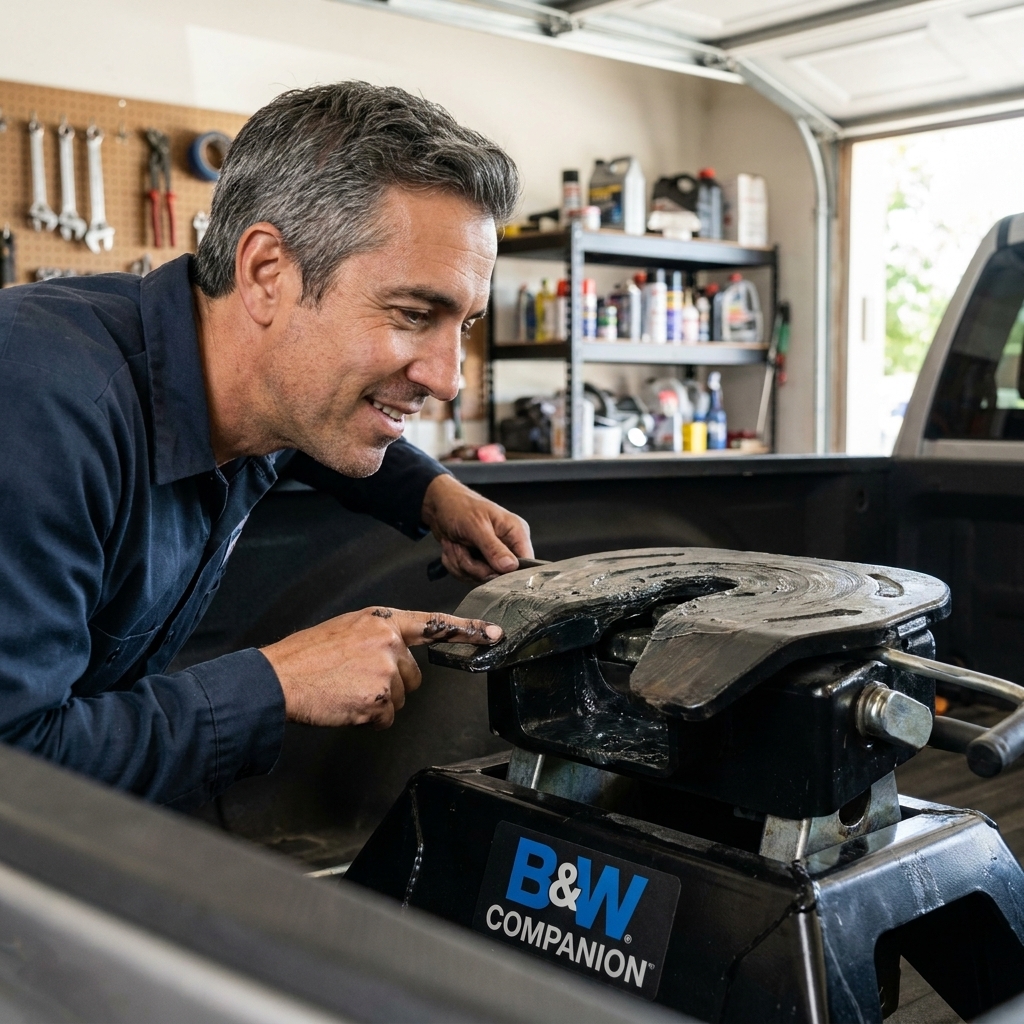
- Hitch ball: A small amount of grease where the coupler rides reduces squeaks and slows ball wear.
What products work
For daily drivers in wet or salty climates, I like a rust-inhibiting spray for the receiver and pin, and a quality grease for the hitch ball. If you tow in dusty areas, use grease sparingly on the ball and wipe off the excess so you are not collecting grit.
Quick rule: Oil for corrosion protection in hidden spots, grease for sliding or pivoting contact points. Thin layers beat globs every time.
4) Fix chips fast
Receiver hitches live a hard life. Rocks chip paint. Ball mounts get scraped on steep driveways. Once bare steel shows, rust can creep under the surrounding coating like a scab that keeps growing.
What to do
- Inspect for chips and orange streaks. Pay attention to welds, edges, and the receiver opening where inserts scrape.
- Knock rust back to solid metal. Wire brush or sandpaper until you are not flaking.
- Seal it. A rust converter or primer, then a durable top coat. Let it cure before you tow.
Do not ignore structural rust
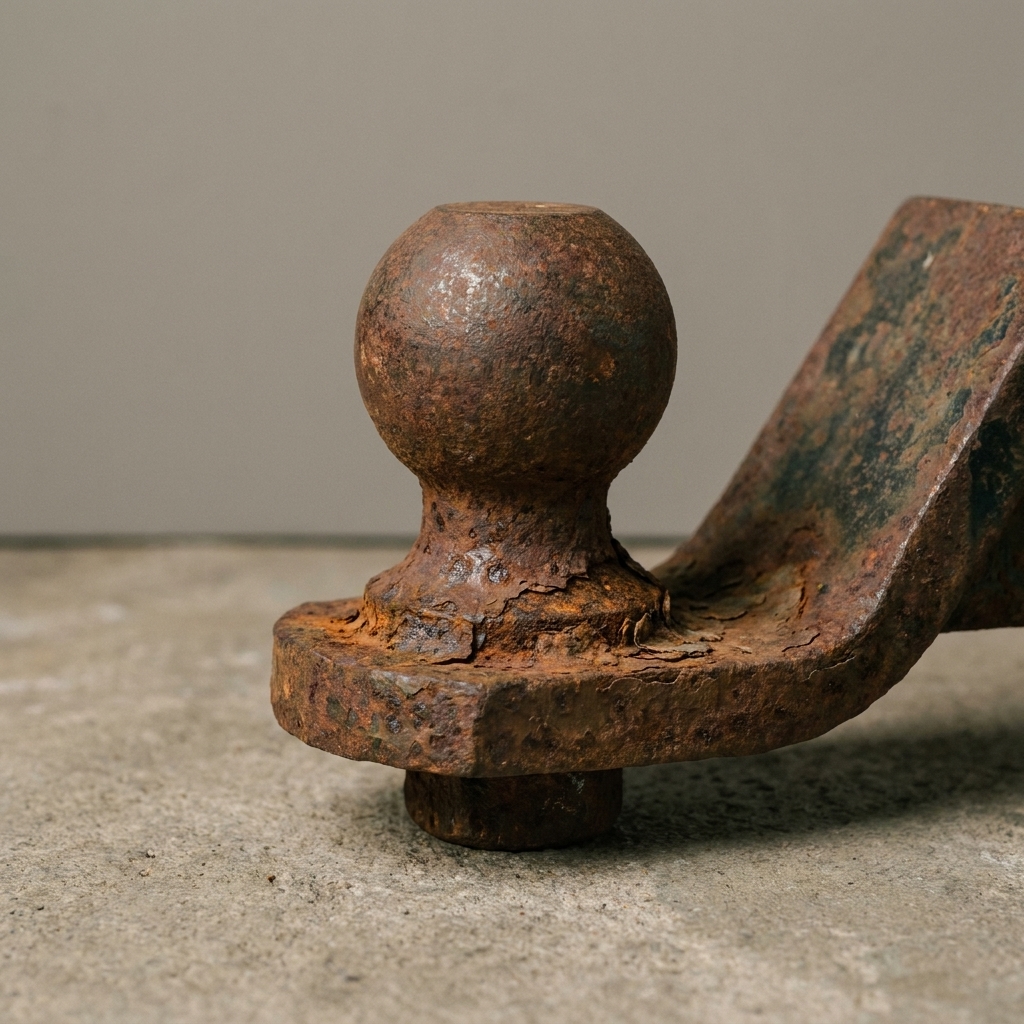
Light surface rust is one thing. If you see deep pitting, cracking, bent parts, or heavy rust around welds, stop towing and replace the suspect part or have it inspected. This is not a “send it and see” situation.
Do not forget the ball mount
Ball mounts rust fast because they get handled, dropped, and soaked. If yours is heavily pitted, replace it. A ball mount is cheap compared to a trailer, a bumper, or a bad day on the shoulder.
5) Store it dry
One of the fastest ways to shorten hitch life is leaving everything assembled season after season with moisture and salt trapped in the joints. If you only tow on weekends or a few times a year, storage habits matter even more.
Receiver hitch opening
- Use a receiver plug. It keeps road spray and salt out of the tube. Just do not use it to hide an already-wet receiver. Dry first.
- Check the drain path. Many receivers have a small weep hole. Make sure it is not packed with mud.
Ball mount, pins, locks
- Bring removable parts inside. A dry tote in the garage beats living under the bumper all winter.
- For locking hitch pins: A tiny shot of lock-friendly lubricant in the keyway and a rubber key slot cover help prevent frozen locks. If the lock starts sticking, swap to a standard pin until you can replace it.
- Keep spares. I like a spare standard pin and clip in the glovebox. If a lock acts up at the ramp or campground, you can still get home safely.
Anti-rattle devices
Anti-rattle clamps and wedges can make towing quieter and reduce movement, but they can also trap moisture and salt against the shank and receiver. If you run one, pull it off occasionally and clean and re-lube the contact points.
My 3-minute pre-tow check
Even with good maintenance, make this quick check a habit. It catches problems before they become roadside problems.
- Correct ball size for the coupler and the coupler fully seated
- Ball nut torqued to the hitch ball manufacturer spec (not just “tight”)
- Pin fully seated and clipped or locked with minimal play (no excessive slop or clunk)
- Coupler latch secured with the safety pin installed
- Safety chains crossed and not dragging
- Electrical plug clean and lights working
FAQ
Should I grease the inside of the receiver tube?
A light film is fine, especially in wet and salty climates, but do not pack it full of grease. Heavy grease holds grit and can make the ball mount harder to remove later. Think thin and wiped on, not caked.
Is surface rust on a hitch a big deal?
Light surface rust is common and usually manageable. What I watch for is deep pitting, rust around welds, any cracks, or metal that is flaking and thinning. If you see that, replace the suspect part or have it inspected before you tow again.
Can road salt damage a hitch lock?
Absolutely. Salt water gets into the keyway and tumblers, then corrosion does the rest. If you use a locking pin, keep the keyway clean, use a small amount of lock-friendly lubricant, and consider swapping to a standard pin if the lock starts sticking.
I launch a boat. Anything different?
Yes. After a ramp launch or retrieval, rinse the hitch, ball, safety chain hooks, and wiring plug with fresh water as soon as you can. Pay extra attention to locks and the receiver tube, because that wet, gritty mix loves to hide where you cannot see it.
How often should I do hitch maintenance?
As a baseline: rinse after salted roads, inspect monthly during winter, and do a deeper clean and re-lube a few times per year. If you tow in boat ramps, mud, or beach sand, bump that schedule up.