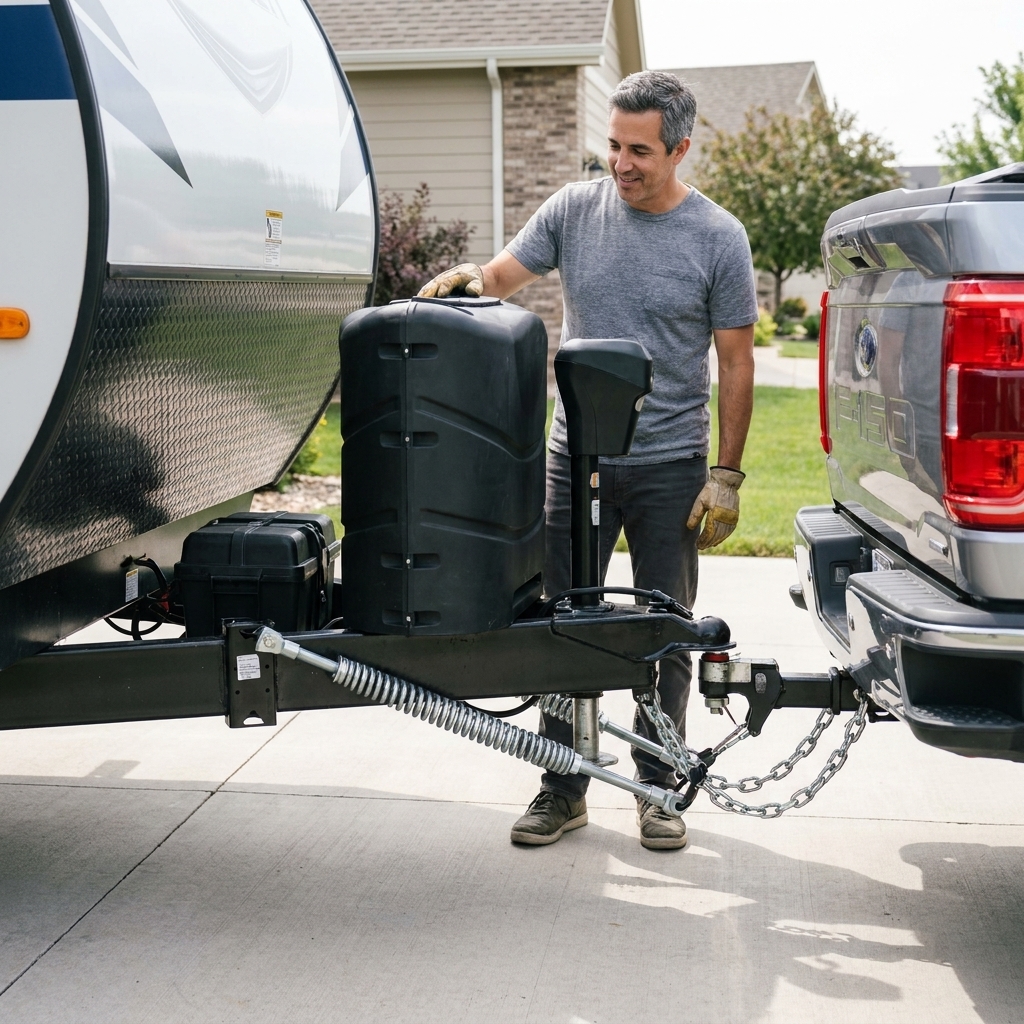
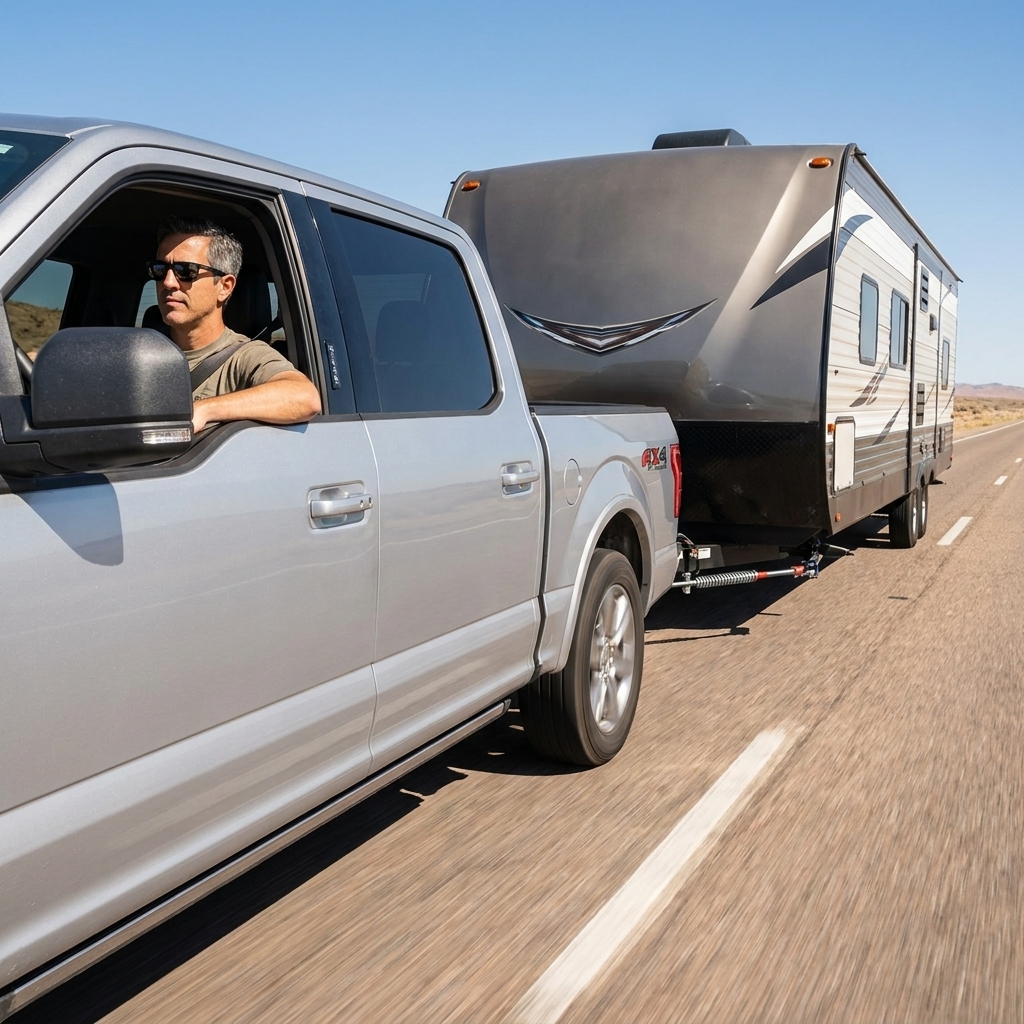
If you run a leveling kit or a lift, you already know the pain: your trailer used to tow level, then you lifted the nose of the truck and suddenly everything is riding nose-up. A nose-high trailer can feel light on the tongue, can sway more easily, and it can put marker lights or any auxiliary lights at the wrong aim. The fix is simple in concept: get the coupler back level with an adjustable drop hitch.
This guide covers the adjustable drop hitches I recommend most for lifted trucks in 2024, plus the sizing and safety details that keep people out of trouble. I have watched too many good folks spend real money on the wrong shank size, the wrong drop, or a “10K” hitch paired with a 14K trailer. Let’s get yours matched correctly.
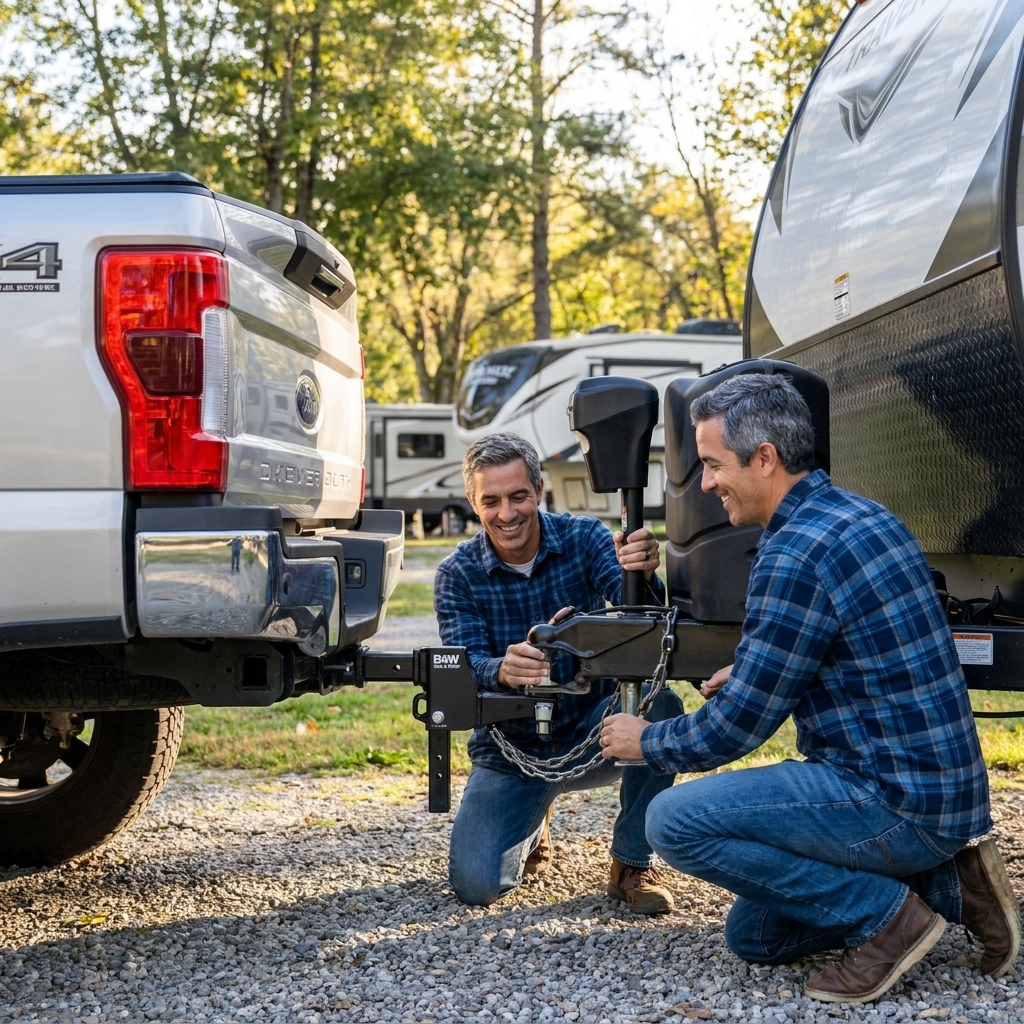
Quick picks
- Best overall: B&W Tow & Stow
- Best heavy towing value: Curt Adjustable Ball Mount (commercial duty)
- Best anti-rattle and finish: Weigh Safe 180 (some SKUs include stainless hardware or stainless components)
- Best budget-friendly: Reese Towpower Adjustable Tri-Ball
- Best multi-trailer household: GEN-Y adjustable (big spread of sizes and ratings)
Ben’s driveway rule: Buy the hitch for the trailer you plan to own, not just the trailer you own today. Buying extra capacity within your truck receiver limits is fine. Under-rating is a liability and failure waiting to happen.
7 best adjustable drop hitches for lifted trucks (2024)
All of these are adjustable, intended to help you level a trailer behind a leveled or lifted truck, and commonly available in 2-inch and 2.5-inch receiver options (some offer 3-inch too). Always confirm your receiver size, your trailer coupler size (most are 2-inch, some are 2-5/16-inch), and your tongue weight and GVWR before ordering. Brands often sell multiple SKUs that look similar but vary in materials, ratings, and hardware, so verify the exact model you are buying.
1) B&W Tow & Stow
If you want one adjustable drop hitch that just flat works and holds up over years of towing, this is the one I point people to most. The Tow & Stow design keeps everything tidy when you are not towing, and the build quality is what you would expect from B&W.
- Why it’s great for lifted trucks: Big drop ranges available so you can level a tall truck without stacking sketchy adapters.
- What to watch: Choose the correct shank size (2-inch vs 2.5-inch vs 3-inch) and the correct ball size. Many Tow & Stow models come as tri-ball.
- Best for: Travel trailers, equipment trailers, boat trailers, and anyone who swaps trailers.
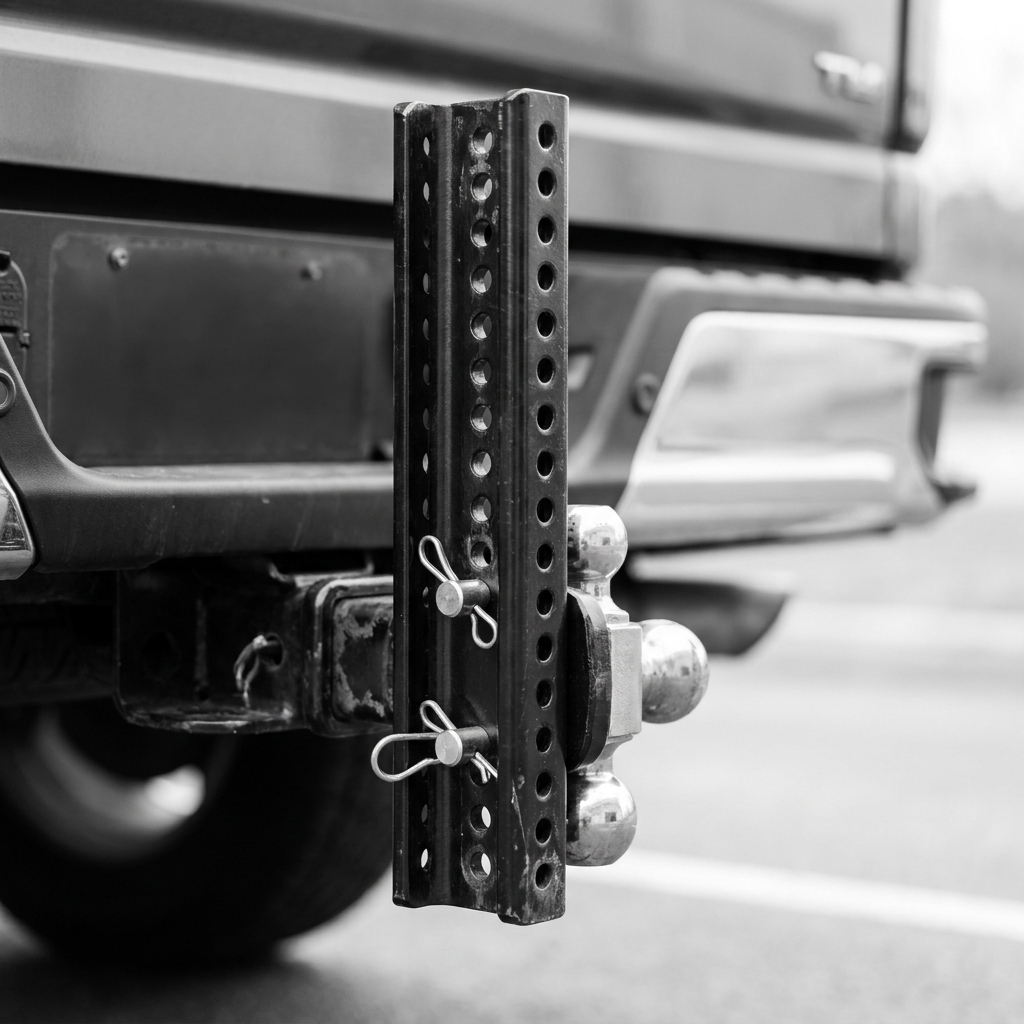
2) Curt Adjustable Ball Mount (Heavy-Duty / Commercial Duty)
Curt makes several adjustable options, but their heavy-duty adjustable ball mounts are a sweet spot for folks who tow often and want a strong, straightforward setup without paying top dollar for features they will not use.
- Why it’s great for lifted trucks: Lots of drop and rise adjustment, and they offer high weight ratings depending on the model.
- What to watch: Curt sells similar-looking models with very different ratings. Match the exact part number to your trailer’s needs and check whether the rating changes in rise vs drop positions.
- Best for: Contractors, farm use, and frequent towing where you want a tough workhorse.
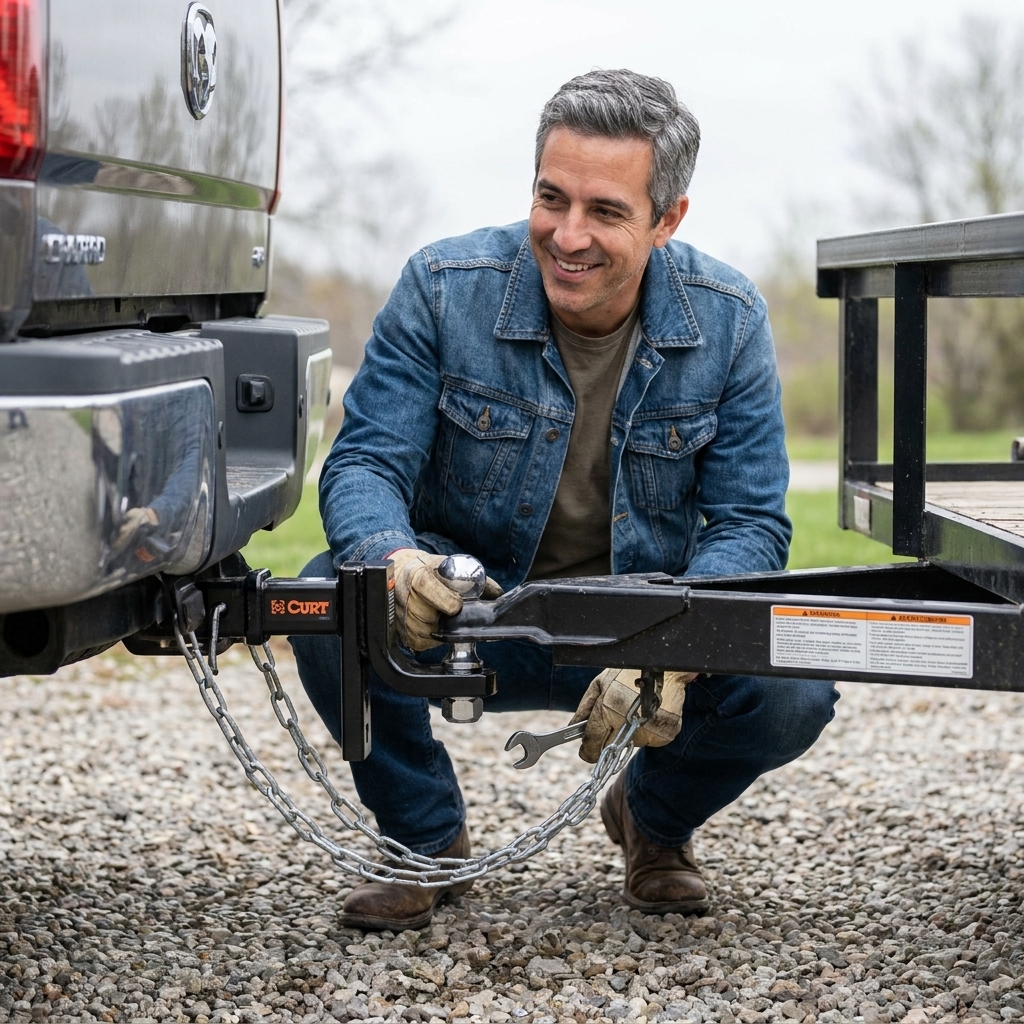
3) Weigh Safe 180 Adjustable Ball Mount
I like Weigh Safe because they take the “tighten it up and stop the clunk” problem seriously. The 180 series is built to reduce rattle and keep a clean look, and some SKUs include stainless hardware or stainless components that hold up better if you live where road salt eats everything. Confirm the exact materials on the exact part number you are buying.
- Why it’s great for lifted trucks: Easy height changes, a solid anti-rattle feel, and a premium finish that stays nicer longer.
- What to watch: Premium price. Also, confirm your shank size and rating options since Weigh Safe offers multiple configurations with different materials.
- Best for: Daily-driver trucks that tow on weekends and owners who hate receiver slop noise.
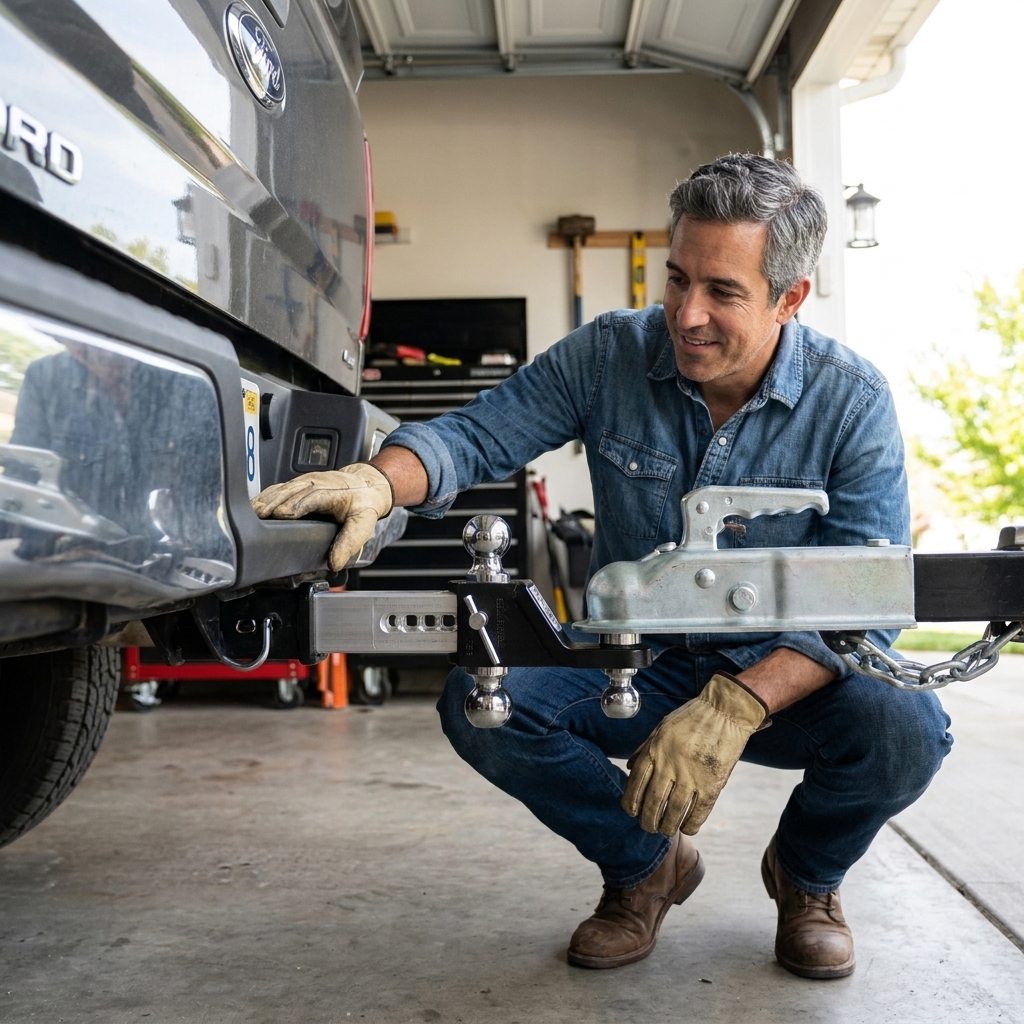
4) GEN-Y Adjustable Ball Mount
GEN-Y makes several adjustable hitches across a range of ratings and drops. If you want options, this brand is usually on the short list. Their adjustable ball mounts are commonly chosen by people towing heavier rigs, or anyone who wants something that feels more industrial than “weekend toy.”
- Why it’s great for lifted trucks: Lots of drop and rise flexibility with stout construction.
- What to watch: Weight ratings vary widely by model, and some configurations get heavy. Make sure you are comfortable handling it.
- Best for: Multiple trailers, heavier bumper-pull loads, and drivers who value overbuilt gear.
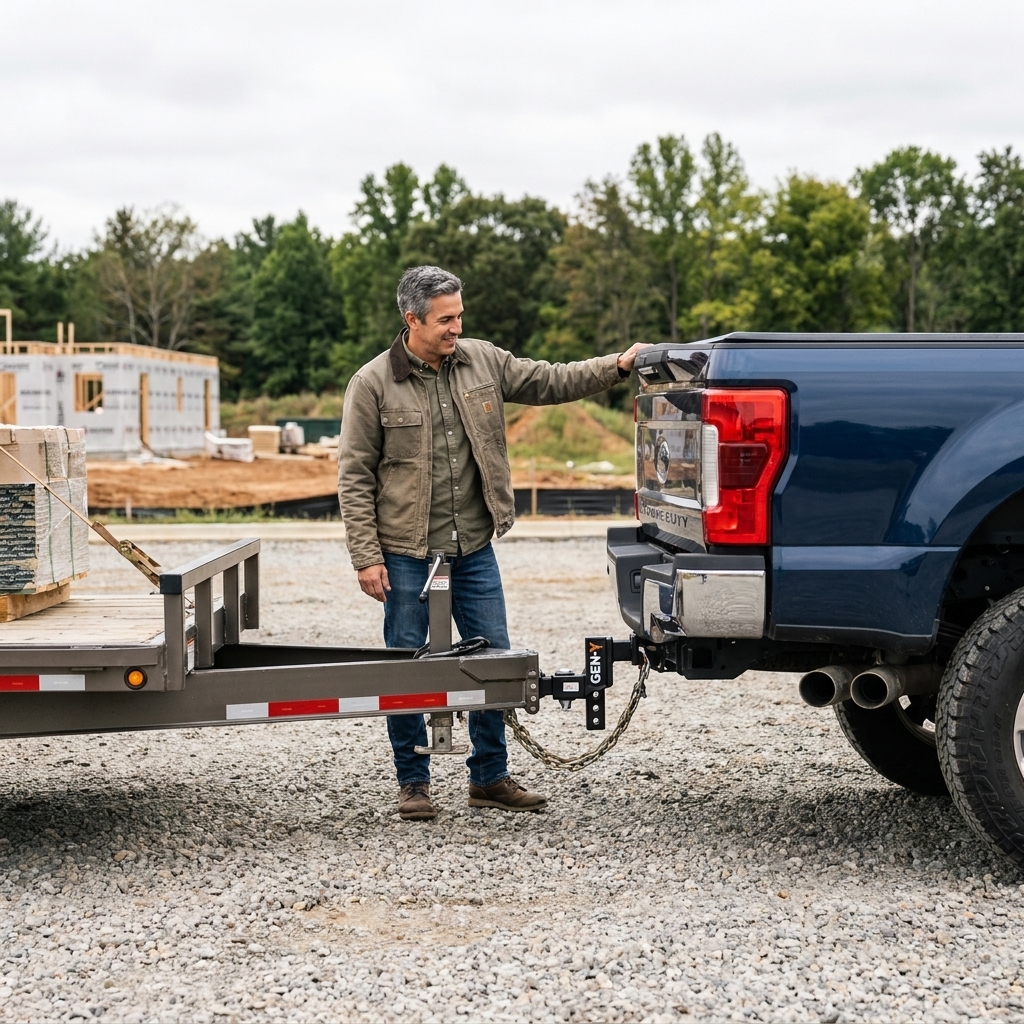
5) BulletProof Hitches Adjustable Ball Mount
These have a loyal following for a reason. BulletProof builds robust adjustable hitches that feel like they belong on a work truck. If you tow heavy or you are hard on equipment, it is a strong contender.
- Why it’s great for lifted trucks: Plenty of adjustment and rugged components designed for real towing, not just looks.
- What to watch: Like other heavy-duty adjustable hitches, it can be bulky. Plan where you store it when it is not on the truck.
- Best for: Heavy bumper-pull towing, frequent use, and people who keep equipment for the long haul.
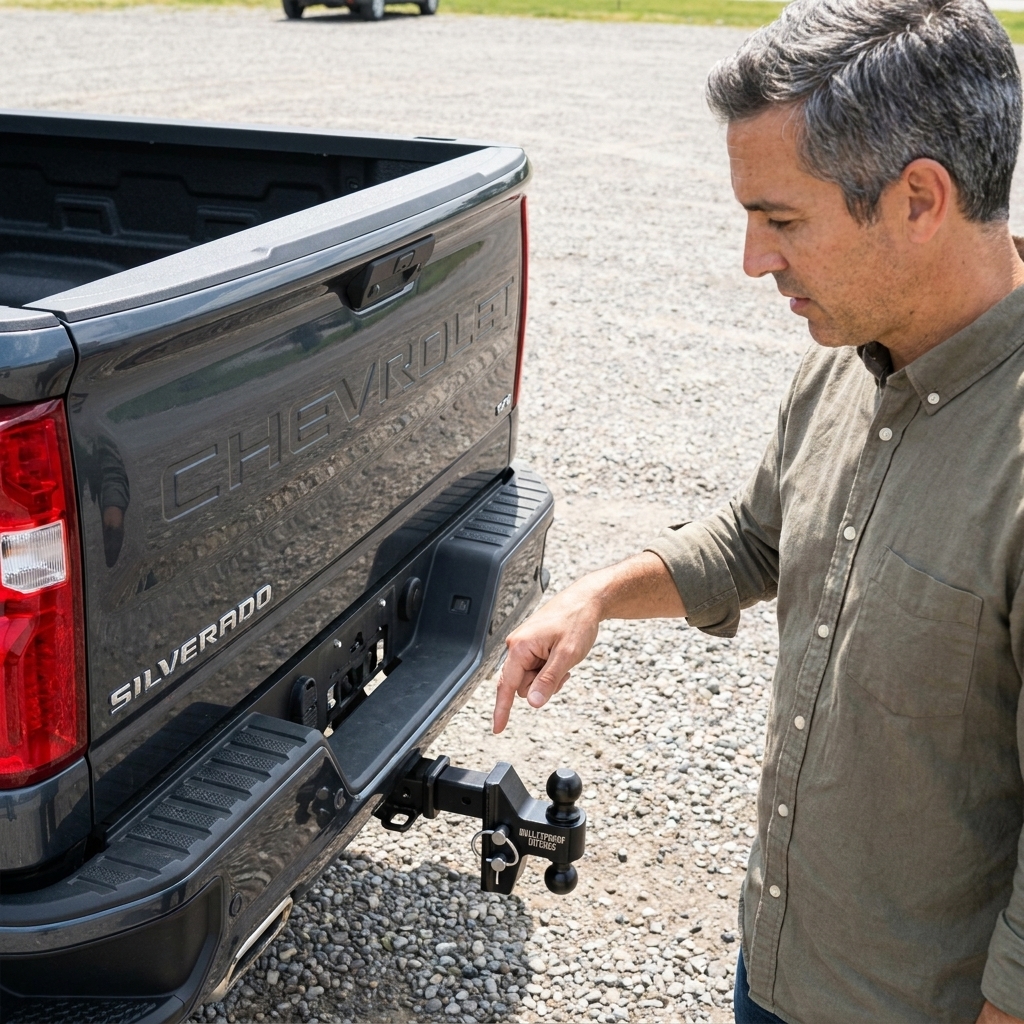
6) Andersen Rapid Hitch Adjustable Ball Mount
If you want lighter weight and easier handling, Andersen’s adjustable ball mount is worth a look. Not everyone needs a 40-pound steel brick. Andersen’s aluminum-based hitches are typically lighter than many heavy-duty steel channel hitches, which makes hooking up and adjusting height a lot less of a chore.
- Why it’s great for lifted trucks: Plenty of adjustment for leveling smaller trailers behind a leveled truck without wrestling a super heavy assembly.
- What to watch: Stay honest about your weights. If your trailer is pushing heavier tongue weights, step up to a heavier-duty option.
- Best for: Smaller travel trailers, boats, and utility trailers where ease-of-use matters.
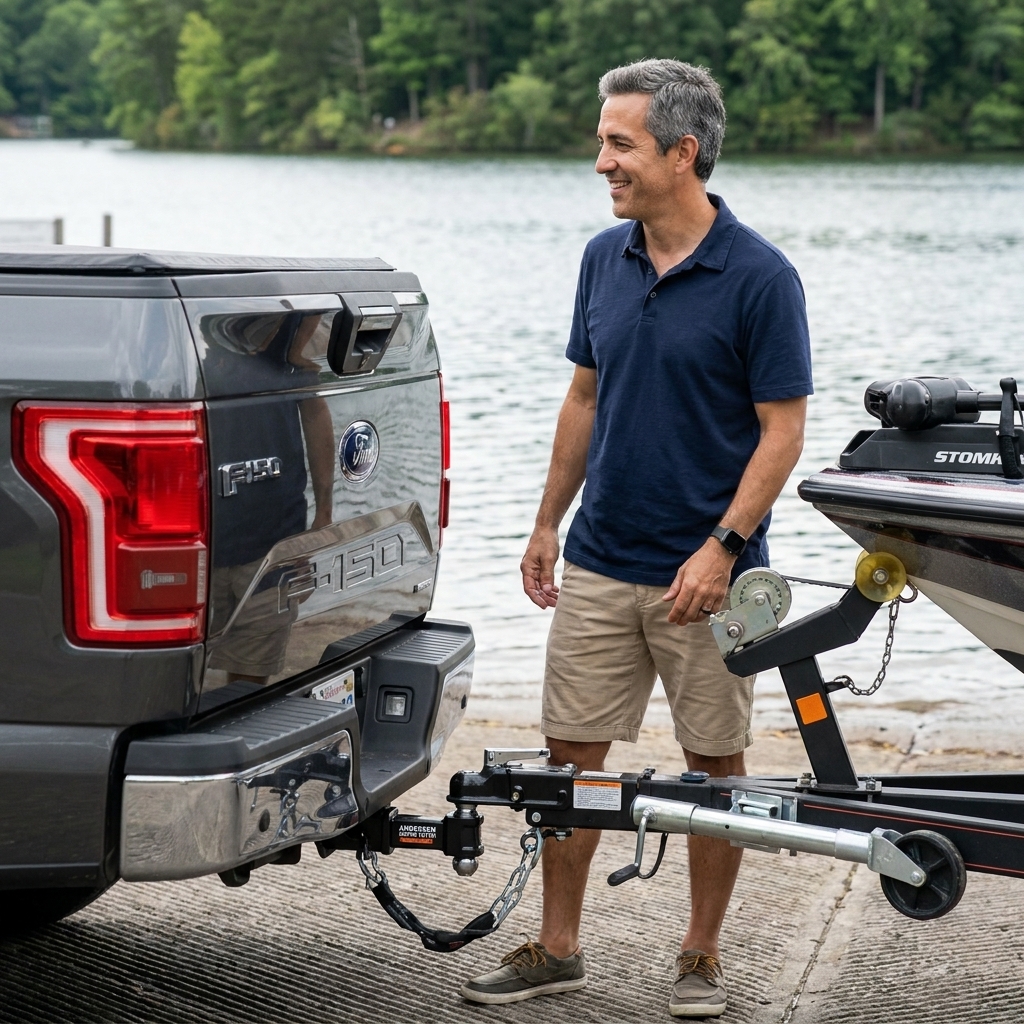
7) Reese Towpower Adjustable Tri-Ball
For folks who want adjustability on a budget, Reese Towpower is often the easiest entry point. You still need to match ratings to your trailer, but for light to moderate towing it can get you level without blowing the whole accessory budget.
- Why it’s great for lifted trucks: Adjustable height plus the convenience of multiple ball sizes in one head.
- What to watch: Finish and long-term tightness will not always match premium hitches. Keep it clean, keep pins snug, and inspect often.
- Best for: Utility trailers, small campers, and occasional towing.
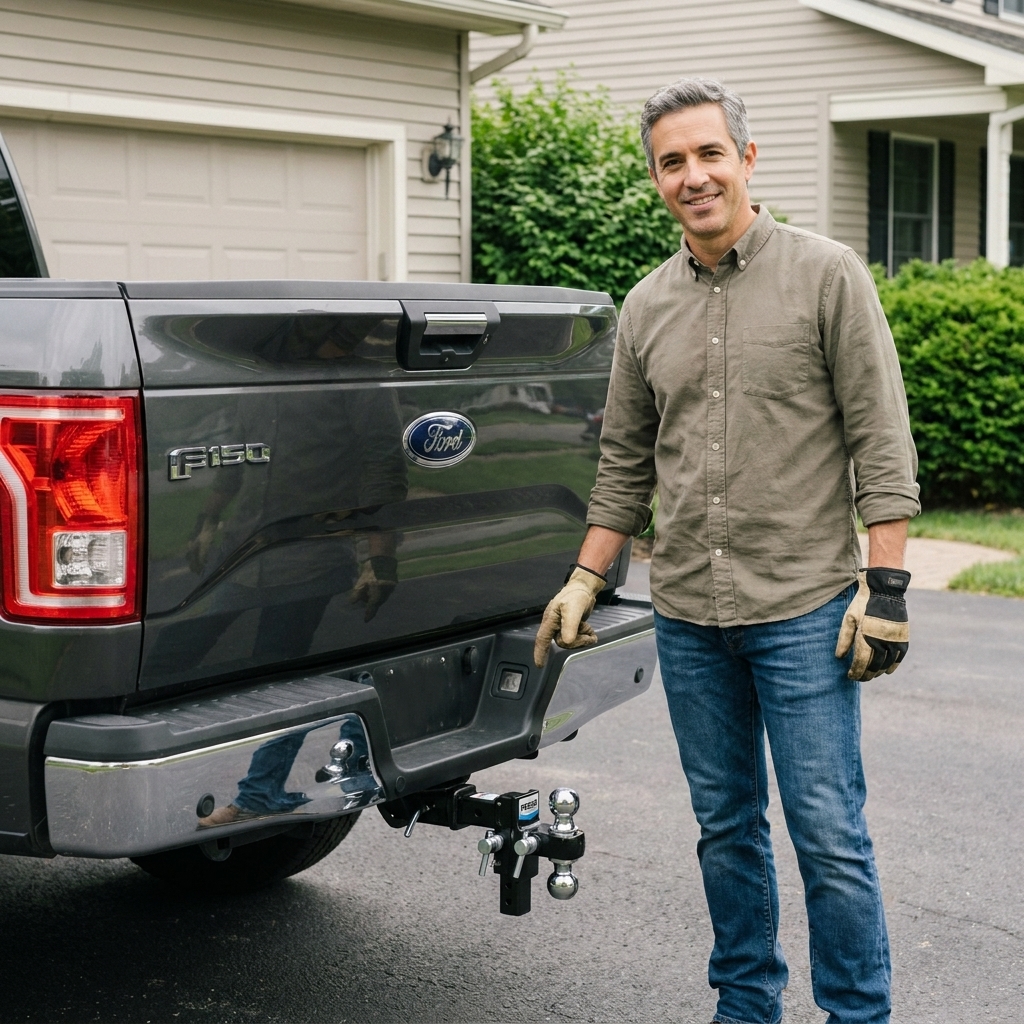
How to choose the right adjustable drop hitch
1) Measure drop the right way
Ignore the lift kit number for a second and measure like a tow setup tech. You are trying to match the truck’s receiver height to the trailer’s coupler height so the trailer runs level when loaded like you actually tow it.
- Truck receiver height: With the truck on level ground, measure from the ground to the inside top of the receiver opening.
- Trailer coupler height: Level the trailer (use a small level on the frame) and measure from the ground to the bottom of the coupler.
Why these two points? They line up with how most ball mounts are described in the real world (rise and drop referenced off the receiver opening and the ball platform). The difference tells you how much drop (or rise) you need.
Quick example: if your receiver height is 24 inches and your coupler height is 18 inches, you need about 6 inches of drop to start, then fine-tune from there.
Also, give yourself adjustment range for different loads and different trailers. A lifted truck that tows multiple trailers is exactly where an adjustable drop hitch earns its keep.
2) Match the shank to your receiver
This is the most common mistake I see in parking lots: assuming the receiver size based on truck class. Depending on trim and tow package, even heavy-duty trucks can ship with 2-inch, 2.5-inch, or 3-inch receivers.
- 2-inch receivers: Very common on half-tons, and still found on some HD trucks.
- 2.5-inch receivers: Common on many 3/4-ton and 1-ton trucks.
- 3-inch receivers: Found on some heavy-duty tow packages.
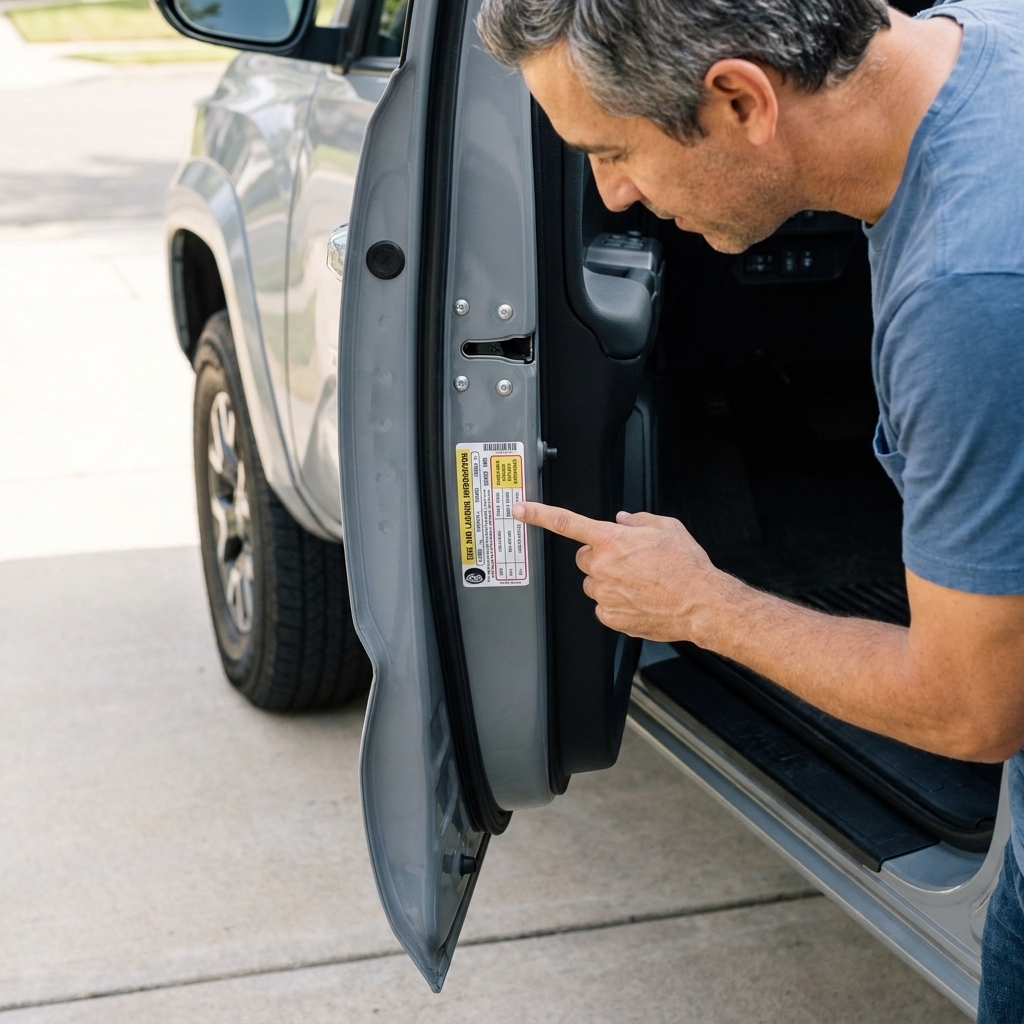
Do not guess. Check the receiver label if it has one, or physically measure the receiver opening.
You can use a reducer sleeve (2.5 to 2), but you usually add slop and clunk. If your truck has a 2.5-inch receiver, buy a 2.5-inch shank hitch whenever possible.
3) Ball size, GTW, and TW
Most bumper-pull trailers use:
- 2-inch ball: Many utility trailers and smaller campers
- 2-5/16-inch ball: Many travel trailers and equipment trailers
Then match ratings:
- GTW (gross trailer weight): The maximum trailer weight the hitch can tow
- TW (tongue weight): The maximum downward load the hitch can carry on the ball
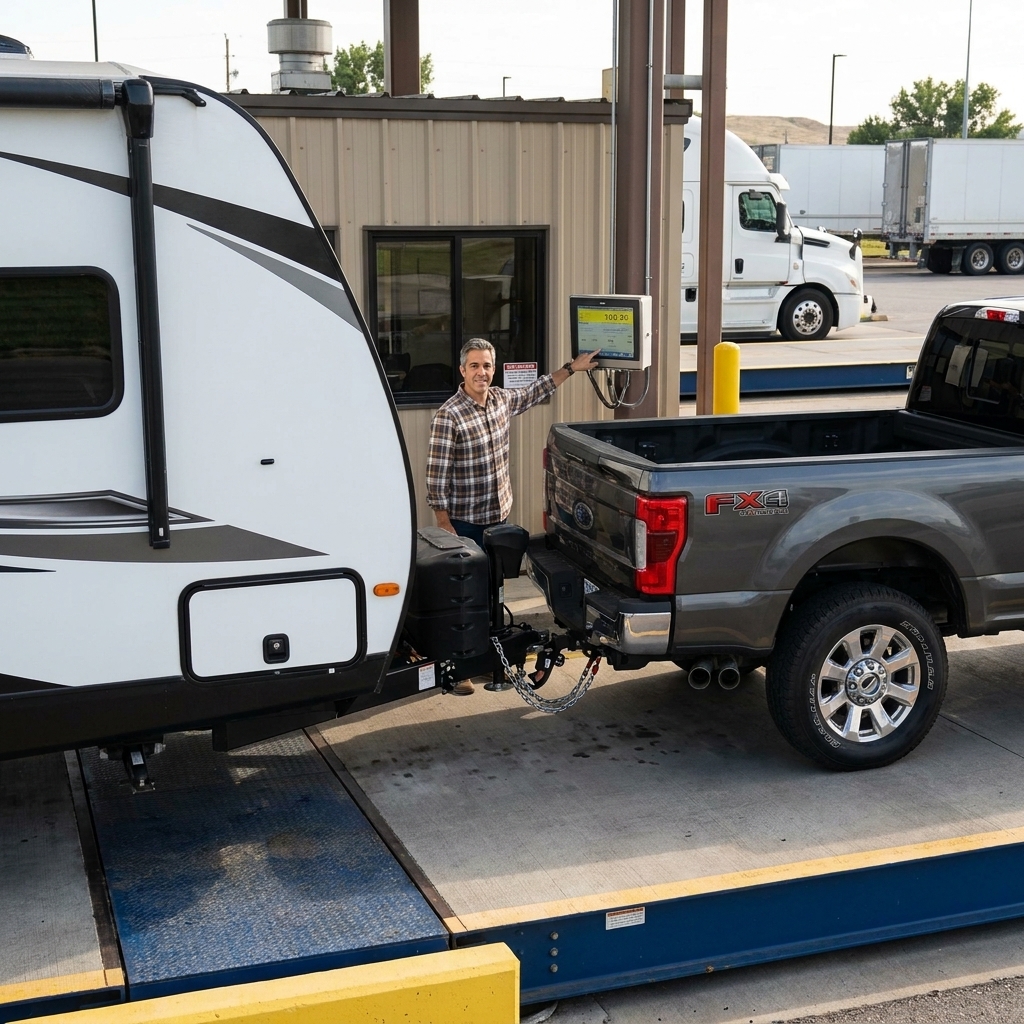
Your hitch rating must meet or exceed your real-world loaded trailer weight, not the empty brochure weight. And remember the weak-link rule: the trailer, ball, hitch, pin, receiver, and even the truck’s tow rating all matter.
One more nuance people miss: some adjustable hitches have different ratings depending on whether you are using rise or drop, and many can be de-rated at certain configurations (including longer setups and, on some models, the lowest holes). Read the spec sheet for the exact model you are using.
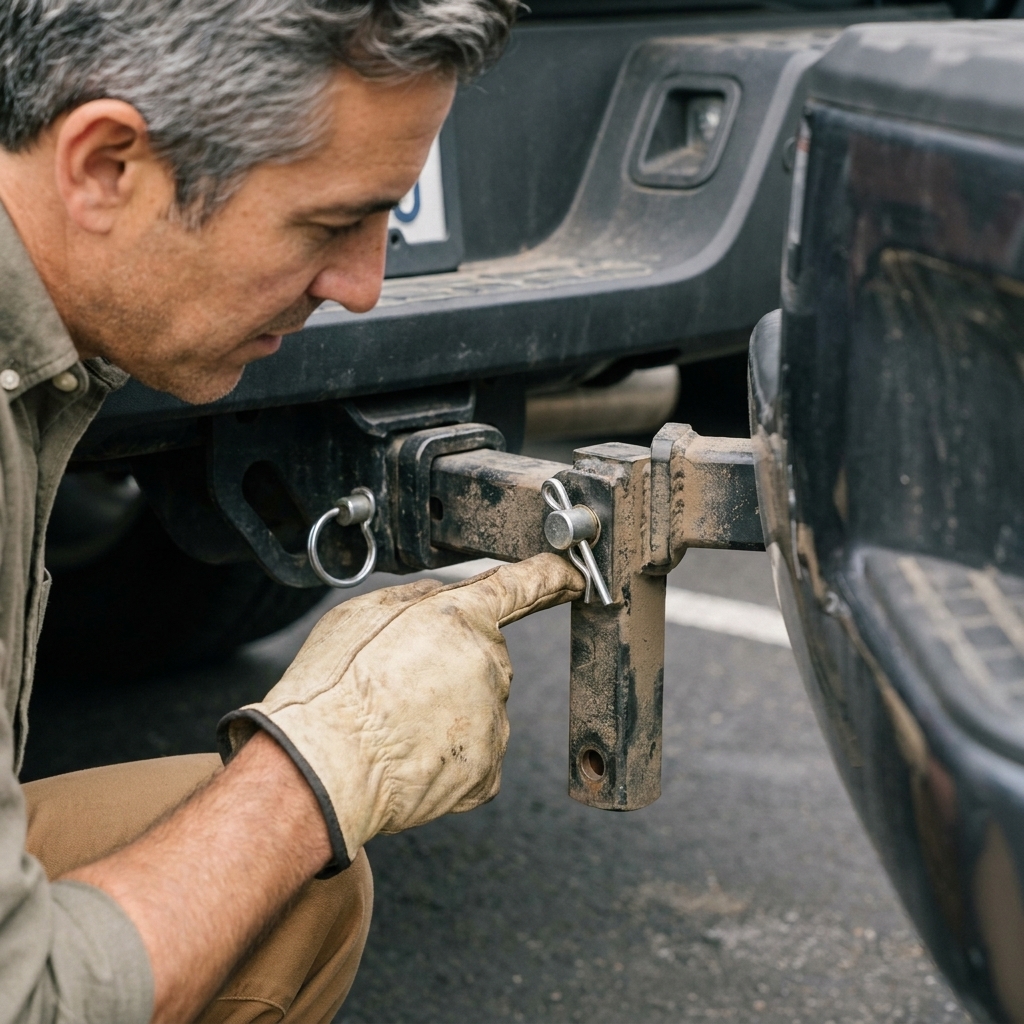
4) Pin size and fitment
Most 2-inch and 2.5-inch receivers use a 5/8-inch hitch pin. Some 3-inch receivers use 5/8-inch, and some use 3/4-inch. Match the pin diameter to your receiver and hitch, and use a quality hardened pin that fits snug.
If you are fighting clunk and slop, start here:
- Skip reducer sleeves when you can
- Keep the shank clean and rust-free
- Use an anti-rattle clamp if your hitch does not have a built-in system
- Torque set screws and clamps to the manufacturer spec
5) Clearance issues
- Tailgate clearance: Some tall adjustable hitches can get close to the tailgate on certain trucks.
- Spare tire and bumper clearance: On some setups, the hitch head can sit near the bumper step or spare.
- Departure angle: A big drop hitch can drag on steep driveways. If you tow in the mountains like I do, that matters.
6) Extensions and leverage
One more safety note that matters on lifted trucks: avoid stacking parts behind the receiver. Hitch extensions and extra-long setups increase leverage on the receiver, and that can reduce ratings fast. If you truly need extra length for a camper, a spare tire carrier, or tailgate clearance, use an extension that is specifically rated for your load, and understand it may de-rate your towing capacity even if everything “fits.” When in doubt, follow the receiver sticker and the hitch manufacturer’s spec sheet.
Adjustable drop vs weight distribution
This is important: an adjustable drop hitch is about leveling and getting the coupler height right. A weight distribution hitch (WDH) is about transferring load to help stability and bring the truck back toward level under tongue weight.
Also, most adjustable ball mounts are not weight distribution shanks. If you run a WDH, you generally need a purpose-built WDH shank and properly set head angle and spring bar tension. Do not assume your adjustable ball mount can do double duty.
If you are towing a travel trailer and your rear suspension squats hard, your steering feels light, or your rig just feels loose, you may need a WDH with the correct drop shank, not just an adjustable ball mount.
Rule of thumb only: if your trailer is over about 5,000 pounds, or your tongue weight is high enough to cause squat or handling changes (often around 10 to 15 percent of loaded trailer weight), it is worth considering weight distribution. But manufacturer requirements vary. Check your truck owner’s manual, your receiver sticker, and your tow guide, because some setups are de-rated without a WDH.
When not to use one
An adjustable drop hitch is a great tool, but it is not the answer to every towing problem.
- If you need weight distribution: If the truck squats hard or handling changes, move to a real WDH setup instead of trying to “fix it with more drop.”
- If you are near the receiver limits: Big drops, long shanks, and heavy tongue weights can push a receiver to its rating quickly. Stay inside the numbers on the receiver sticker.
- If you need serious off-road articulation: Standard ball couplers and tall drop hitches are not built for extreme angles. If you are doing real off-road towing, look into the right coupler and hitch style for that job.
Setup tips to prevent sway and slop
- Level the trailer when loaded: Loading changes tongue weight and truck squat, so set final height with your normal cargo and gear onboard.
- Loading and hitch height both matter: Nose-high can reduce effective tongue weight, but cargo placement can help or hurt too. Keep heavy items low and near the axle group, and avoid loading the tail heavy.
- Use a quality hitch pin and lock: A soft pin can wear quickly. I prefer hardened pins with a snug fit.
- Torque what the manufacturer says: Especially if your hitch uses a clamping anti-rattle system.
- Recheck after the first trip: New hardware can settle. Retorque and inspect.
- Inspect pins and holes: If you see egg-shaped holes, rust jacking, or loose fitment, fix it before it becomes a failure point.
- Basic maintenance: Rinse road salt off, keep adjustment pins moving freely, and add a light film of lubricant where the manufacturer allows it to prevent seized hardware.
FAQ
How much drop do I need?
Measure your receiver height and your level trailer coupler height, then buy an adjustable hitch that covers that difference with extra room to fine-tune. In the real world, I like at least a couple inches of adjustment margin on either side so you are not stuck at the very top or bottom hole.
Is an adjustable drop hitch safe for heavy towing?
It can be, as long as the hitch is rated for your trailer weight (GTW) and tongue weight (TW), and your truck’s receiver is rated for that load too. Ratings can also vary by configuration (rise vs drop, hole position, extension length), so confirm the exact spec for your setup. The weak link rule applies: your rig is only as strong as the lowest-rated component.
Will an adjustable hitch rattle more than a fixed hitch?
Sometimes, yes, because there are more parts and more joints. Choosing a tight-fitting shank (correct receiver size), avoiding reducer sleeves when possible, using an anti-rattle clamp or built-in system, and keeping pins snug goes a long way.
Can I flip an adjustable hitch for rise?
Most adjustable ball mounts can be configured for rise or drop by flipping the assembly, but you must follow the manufacturer’s instructions for orientation and pin placement. Never assume all models work the same.
My closing advice
If you only take one thing from this list, take this: get the trailer level, then verify every rating in the chain. A lifted truck can tow beautifully, but the margin for a sloppy setup is smaller when the hitch point is farther off the ground and the leverage on the receiver increases.
If you want the safest “buy once, cry once” option, I still lean toward the B&W Tow & Stow. If you are towing heavy on a work schedule, a Curt heavy-duty adjustable, BulletProof, or GEN-Y is tough to argue with. And if you tow light and just need adjustability without the heavyweight feel, Andersen can make life easier.