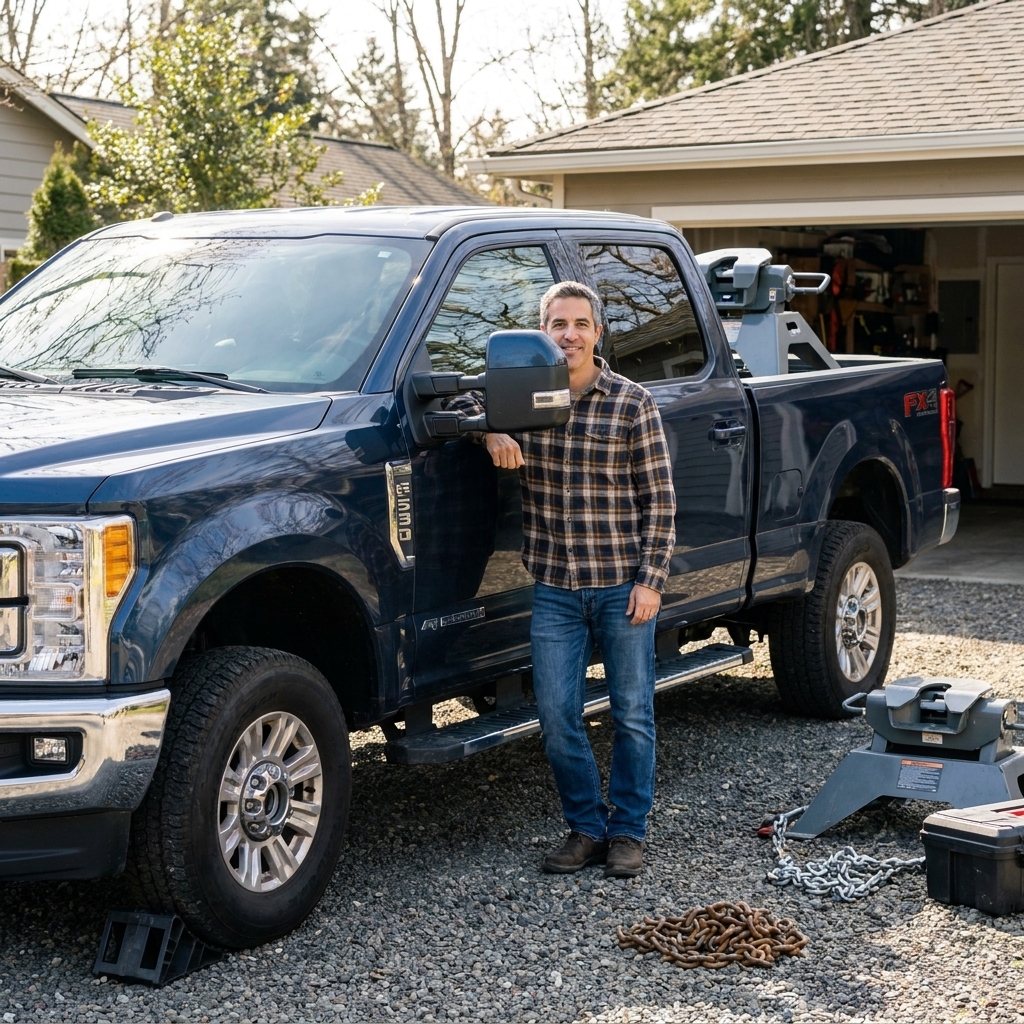
I have seen a lot of sketchy trailer setups in my time, but one of the most common (and most preventable) problems is weak or uneven trailer brakes. Folks will spend good money on a weight distribution hitch and mirrors, then roll out with brakes that are out of adjustment or a controller that is barely doing anything. The result is longer stops, hot hubs, white knuckles in traffic, and that awful feeling of the trailer pushing the truck downhill.
This guide walks you through a solid pre-trip routine: visual inspection, controller check, a safe road test, and manual adjustment of electric drum brakes. Do it in your driveway before the big haul, not on the shoulder of a mountain pass.
Know what you are adjusting
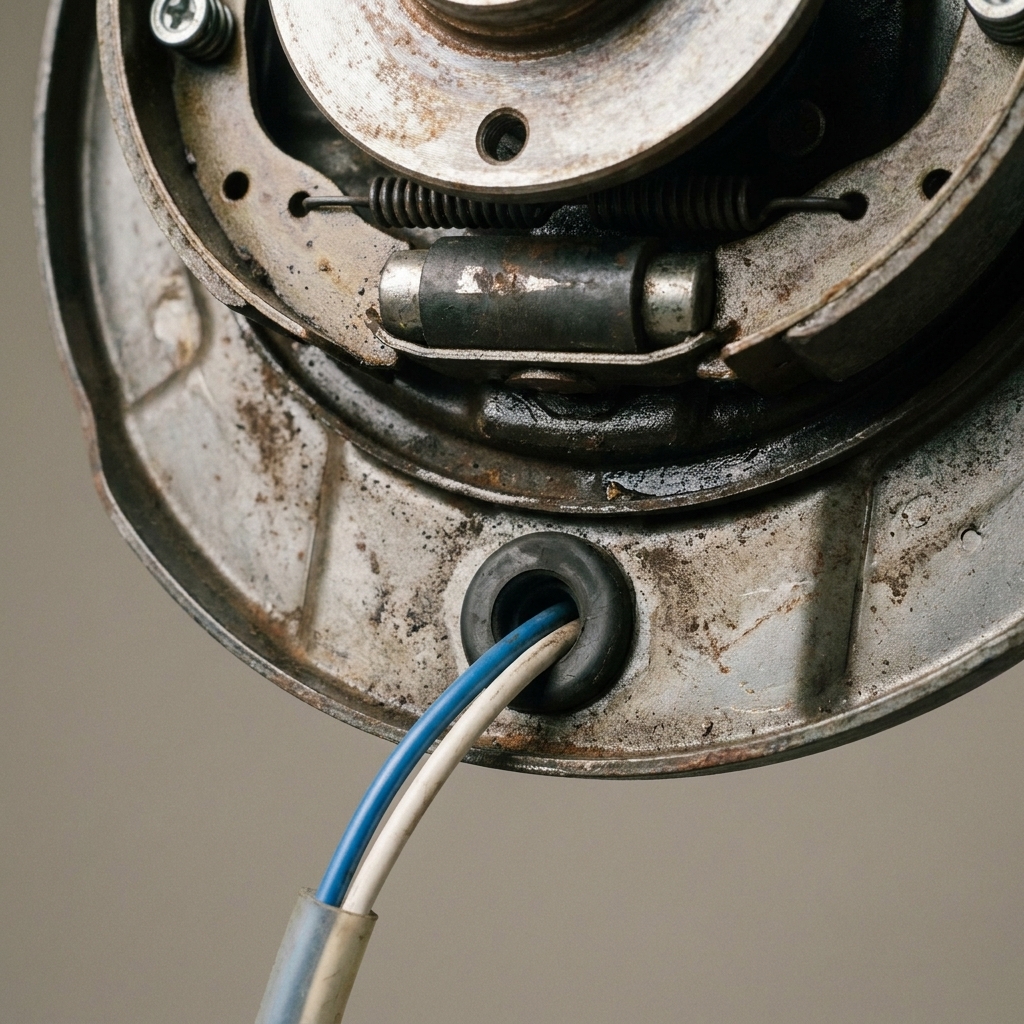
Most travel trailers, utility trailers, and equipment trailers use electric drum brakes at the wheels. When you hit the truck brakes, the brake controller sends power down the 7-way to the trailer. Inside each brake drum, an electromagnet is attracted to the spinning armature face of the drum. That magnet movement works an actuating lever, which pushes the shoes outward against the drum to create braking force.
Two things decide how well that works:
- Brake adjustment at each wheel (shoe-to-drum clearance). Too loose means weak brakes and extra controller gain to compensate. Too tight means heat and drag that can cook grease and seals, and that can lead to bearing trouble if you ignore it.
- Controller setup (gain and boost/sensitivity). Too low and the trailer pushes the truck. Too high and the trailer locks up and skids.
If your trailer has electric-over-hydraulic brakes (common on some boat and higher-end rigs) or surge brakes, the steps are different. This article is for electric drum brakes.
Tools and supplies that make this easier
- Wheel chocks (at least two)
- Jack and jack stands rated for the trailer
- Lug wrench or impact (optional)
- Flathead screwdriver or brake spoon (for the star wheel)
- Work gloves and safety glasses
- Multimeter or 12V test light (helpful for wiring checks)
- Torque wrench for lug nuts (recommended)
- IR thermometer (nice to have for hub temps)
One more “tool” that matters: a safe test spot. An empty parking lot or a quiet industrial road beats your neighborhood street.
Pre-trip inspection
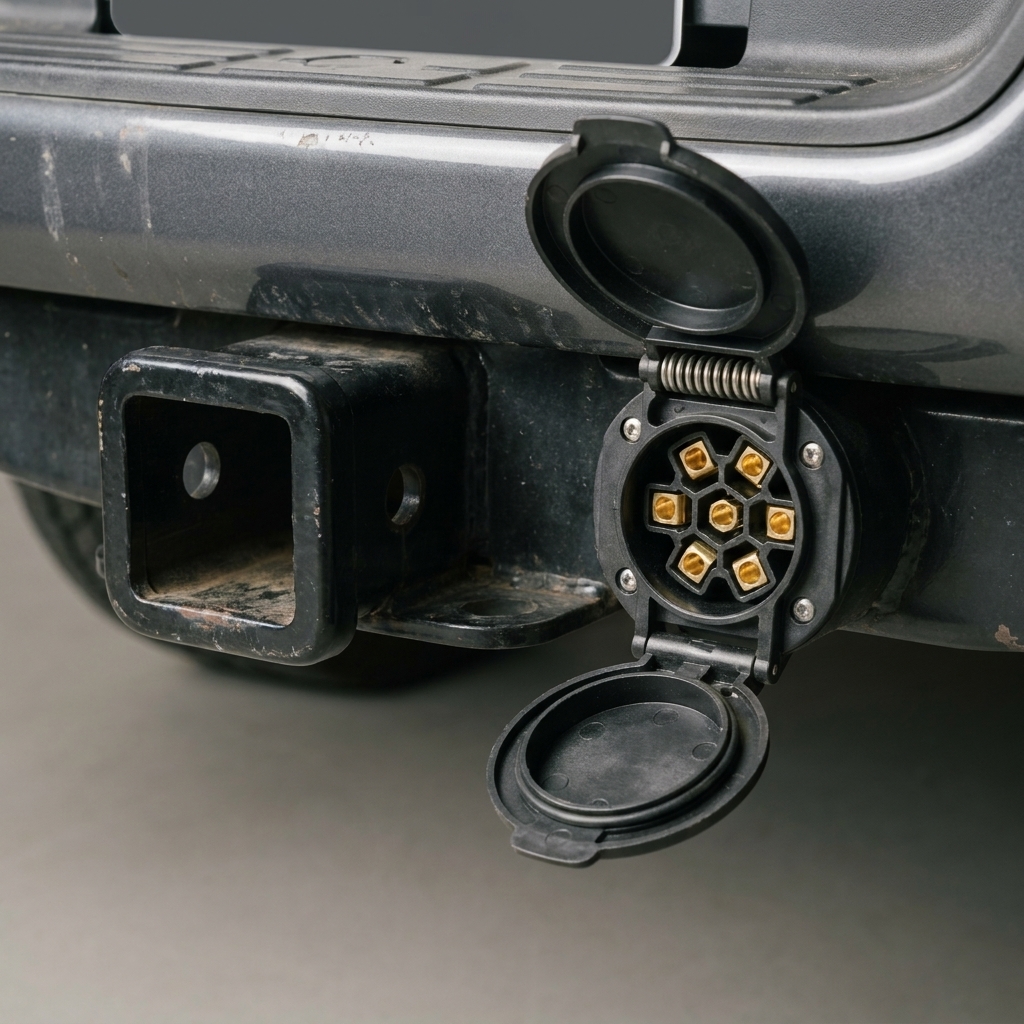
1) Check the 7-way and breakaway setup
- Plug condition: Look for bent pins, green corrosion, or a loose-fitting connector.
- Cable routing: Make sure the cord is not stretched tight on turns and not dragging.
- Breakaway cable: Clip it to the truck (not the safety chains) with enough slack for turning.
- Breakaway battery: If it has a “test” button or indicator, use it. If it is dead, fix that before you tow.
If you want to do a full breakaway function test by pulling the pin, do it safely: chock the wheels, keep the rig stationary, pull the pin briefly to confirm the brakes apply, then reinsert it immediately. Never tow with the pin out.
A dead breakaway battery can turn a bad day into a truly dangerous one if the trailer ever separates.
2) Look for heat clues at the wheels
If the trailer has been towed recently, compare hub temperatures side to side. An IR thermometer makes this easy. If you do it by hand, hover your hand near the hub first and do not touch anything that feels questionable. One wheel that is much hotter than the rest often points to:
- Brake dragging (too tight adjustment or seized parts)
- Bearing issue
- Wiring short feeding that brake
On a fresh pre-trip check, you are mostly looking for grease leaks around the dust cap or back of the hub, and any damaged wires heading into the brake backing plate.
3) Confirm you have braking on all axles
Not every trailer is wired correctly, especially after axle swaps or repairs. If your tandem axle trailer only has brakes working on one axle, it will stop like a shopping cart with one good wheel. We will do a functional check in a minute.
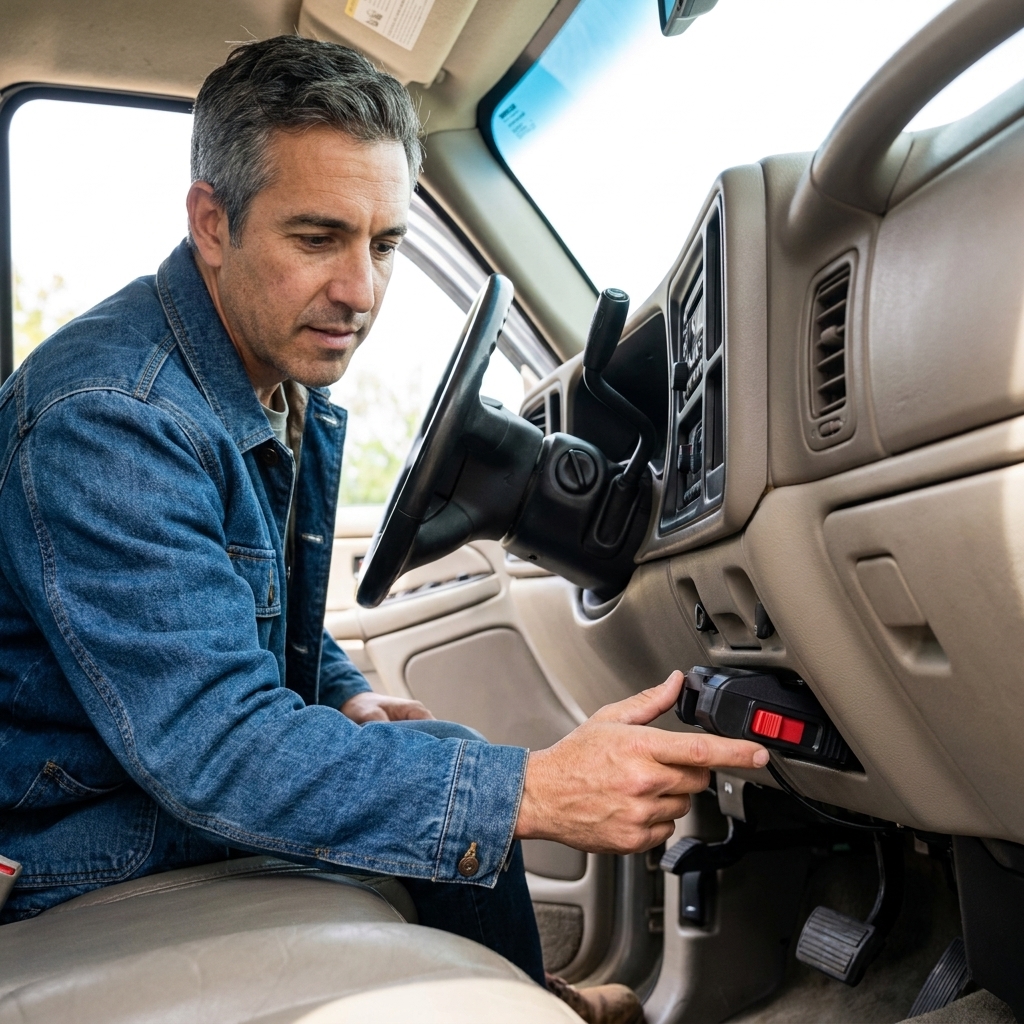
Controller basics
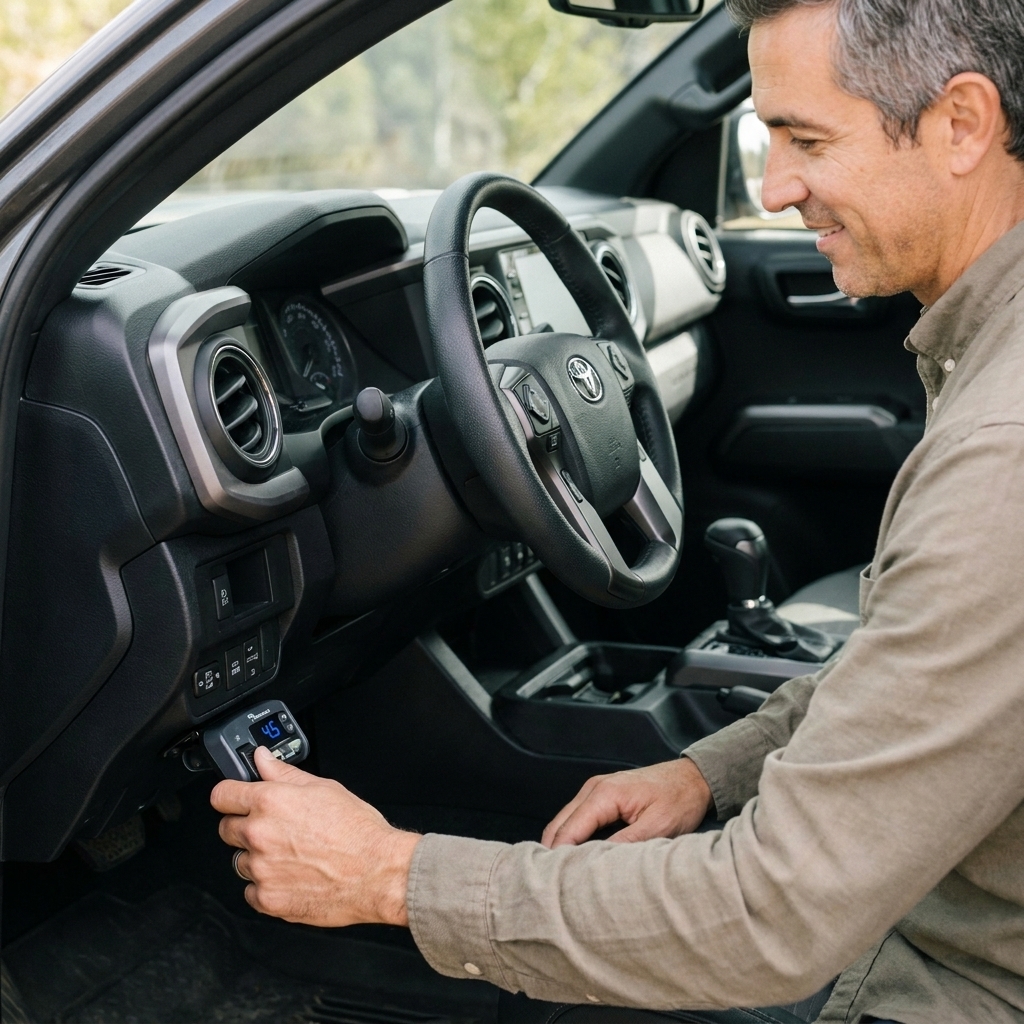
Most in-cab brake controllers give you two main adjustments:
- Gain (output power): How much braking force the trailer gets for a given stop.
- Boost or sensitivity: How aggressively the trailer brakes come on early in the stop.
If you picture the trailer pushing on the back of the truck, gain decides how hard the trailer “pushes back” when you brake. Boost decides how quickly it jumps in.
One quick note: proportional controllers generally feel smoother because they match braking to deceleration, while time-delayed controllers ramp power in over time. Either can work fine, but “boost” and “feel” can be different from one controller to the next.
There is no single “right number” that works for every trailer, load, and tire. Your goal is simple: the trailer helps you slow down without jerking, pulling, or skidding.
Safe brake test before you adjust anything
Do this test before you touch the star wheels. It tells you if the system works at all.
Step 1: Pull test with the manual override
- Hook up the trailer and plug in the 7-way.
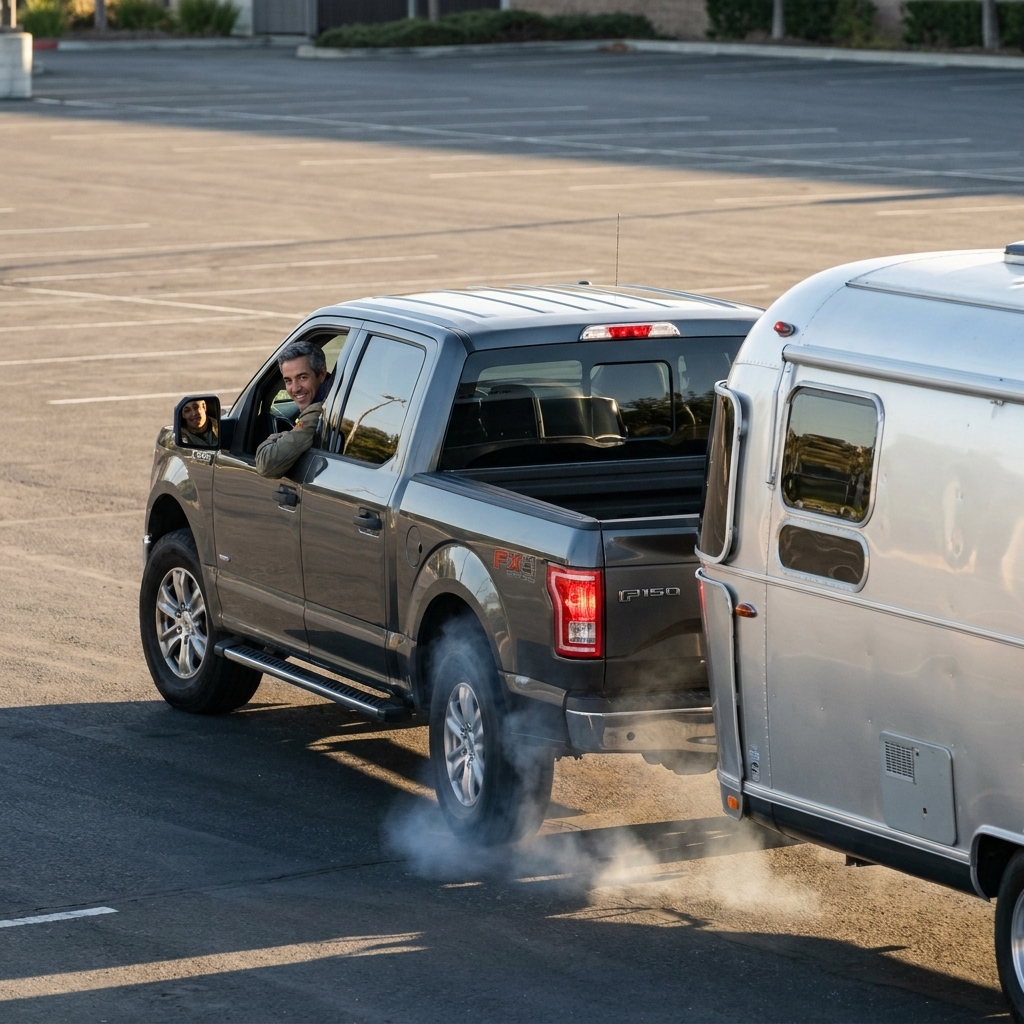
- In a flat, open area, roll forward at 5 to 10 mph.
- Use the controller’s manual slide/override (not the truck brake pedal).
You should feel the trailer tug back and slow the rig smoothly. If nothing happens, you likely have a power, ground, controller, or wiring issue. Adjusting shoes will not fix “no power.”
Step 2: Pedal braking feel
Now brake normally from 15 to 20 mph. You are feeling for:
- Straight stops: No yanking left or right.
- No push: The trailer should not feel like it is shoving the truck through the stop.
- No chatter or lockup: Skidding tires mean too much gain or a grabby brake.
Quick gain baseline
If you need a starting point, start a little low, then work up. A good quick baseline is: at about 20 mph, a firm stop should feel controlled and straight, and the trailer should not lock up. If it locks up too easily, back the gain down. If it pushes, raise the gain.
Manually adjust electric drum brakes
Manual adjustment is one of the biggest towing upgrades you can do for free. Even “self-adjusting” trailer brakes often do not self-adjust well in the real world, and on many common designs the adjuster only takes up slack during firm reverse brake applications. Either way, I still like to verify adjustment before a long trip.
Safety first
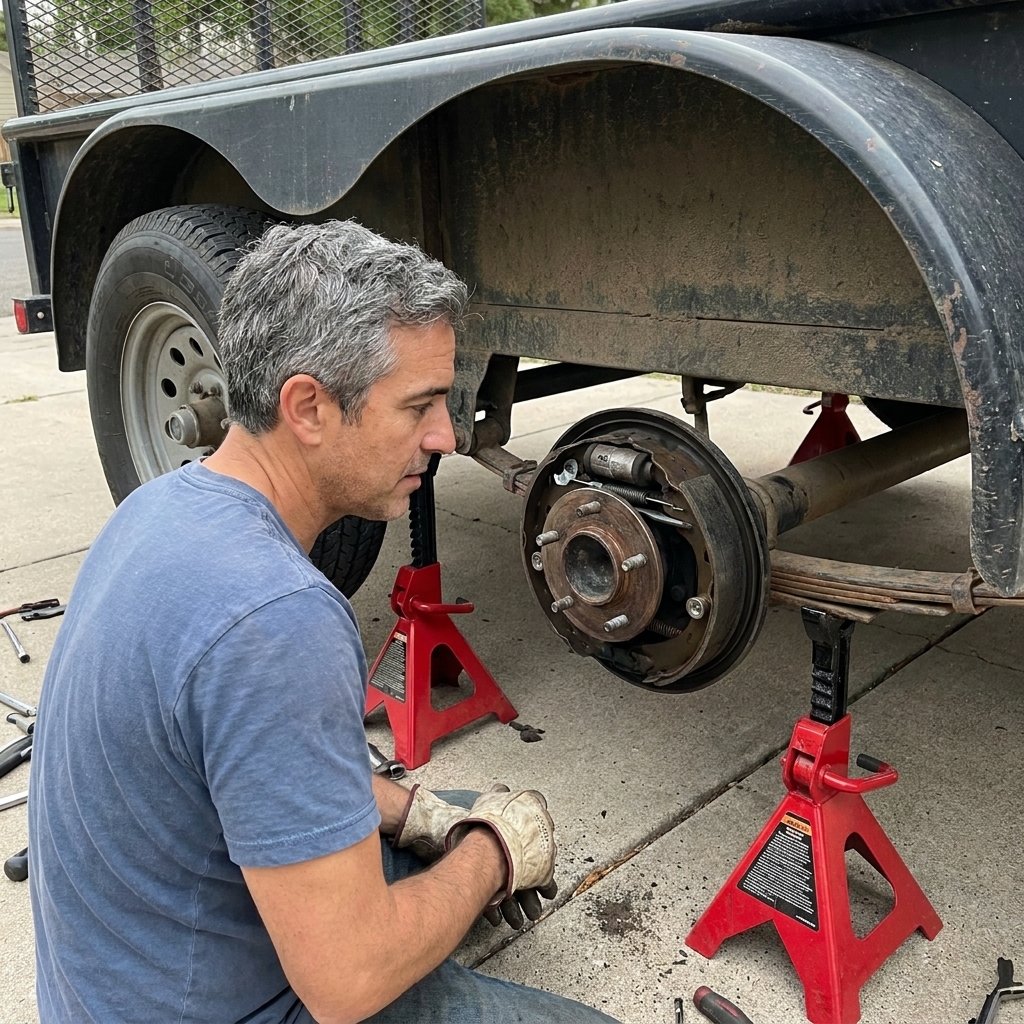
- Chock the trailer wheels.
- Leave the trailer hitched to the truck for stability if possible.
- Lift one wheel at a time with a properly rated jack and support it with a stand.
Step-by-step adjustment
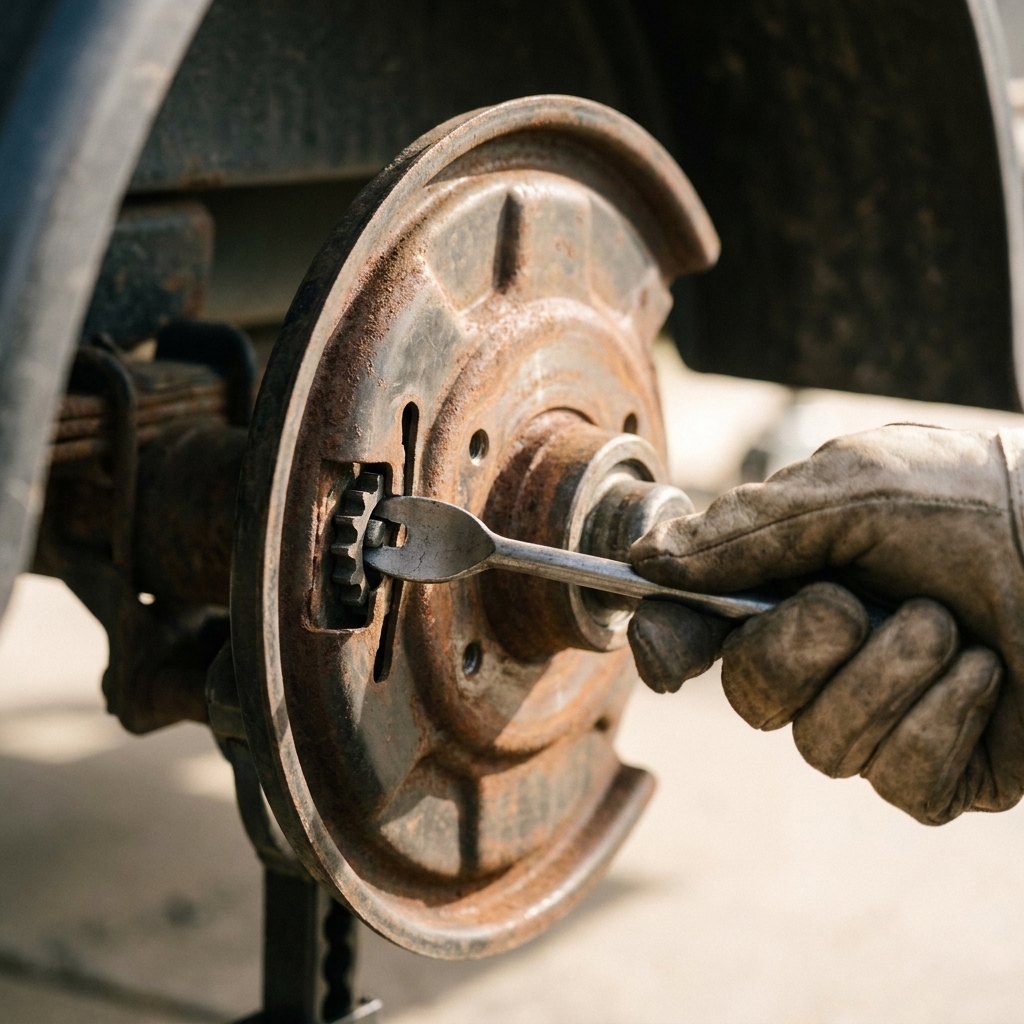
- Find the adjuster slot on the backing plate (usually at the bottom). Remove the rubber plug.
- Spin the wheel by hand and listen. If you already hear heavy scraping, it may be too tight or something is damaged.
- Turn the star wheel with a brake spoon or screwdriver. One direction tightens (more drag), the other loosens (less drag).
- If you are not sure which way is which, turn it a few clicks while spinning the tire. If drag increases, you are tightening. If drag decreases, go the other way. Also, left and right sides can be reversed depending on the brake design, so trust the drag, not your memory.
- Tighten until you get a firm drag when spinning the tire. I am looking for a consistent “shh-shh” sound and noticeable resistance, not a hard stop.
- Back off slightly until the wheel still has a light, even drag and rotates without binding.
- Reinstall the rubber plug to keep water and grit out.
What “proper drag” feels like
Here is the plain-English version: if the wheel spins like a bicycle wheel forever, the brakes are too loose. If it is hard to rotate by hand, they are too tight. You want it in the middle, where it spins but you can tell the shoes are close to the drum.
Repeat for every braked wheel
Do not adjust just one “problem” wheel and call it good. Brakes work best as a team. On a tandem axle trailer, adjust all four brakes so they feel as similar as you can get them.
Re-test and dial in your controller
Once the brakes are adjusted, go back to your safe test spot. The rig should now respond more strongly at the same gain setting.
Dial-in routine I use
- Set gain to a moderate level.
- At 20 mph, use the manual override to slow down firmly. If it barely slows, add gain. If it wants to lock up, reduce gain.
- Do a couple of normal stops with the brake pedal. If the trailer “tugs” too aggressively at the start, reduce boost/sensitivity. If it still pushes early in the stop, add a little boost.
What you are chasing
- Straight: No pull.
- Smooth: No jerking.
- Helpful: Trailer contributes enough that the truck is not doing all the work.
And remember, settings change with load. An empty utility trailer and a fully loaded camper do not want the same gain.
Troubleshooting
Trailer brakes feel weak even with high gain
- Brakes out of adjustment (most common)
- Low voltage due to poor ground or corroded connectors
- Undersized wiring or damaged brake wires
- Grease or contamination inside drum (seal leak)
- Worn shoes or weak magnets
One wheel locks up or runs hot
- That wheel is adjusted too tight
- Sticking hardware or damaged return springs inside drum
- Shorted wire feeding constant power
- Bearing issue creating heat that feels like a brake issue
Trailer pulls to one side under braking
- Uneven adjustment side to side
- One brake not working (broken wire, bad magnet)
- Contamination on one side (grease, water intrusion)
Controller shows connection but braking is inconsistent
- Loose 7-way plug fit
- Intermittent ground at the trailer tongue or frame
- Pinched wire near the axle or suspension travel points
If you are chasing intermittent issues, a multimeter and a careful look at the trailer ground path can save hours. I like to see a solid ground wire from the plug ground pin to the frame, and then good bonding to each brake backing plate.
Burnishing
If you recently installed new brake assemblies, drums, or shoes, you need to burnish them. Fresh friction surfaces do not deliver full stopping power until they mate.
A simple burnish routine:
- In a safe area, make 20 to 30 controlled stops from about 20 to 25 mph down to 5 mph.
- Let things cool a bit between groups of stops. You are building heat gradually, not cooking the hubs.
After burnishing, re-check controller gain. It often needs a small tweak.
Before you hit the highway
- 7-way fully seated, no corrosion, cord not dragging
- Breakaway cable clipped correctly, breakaway battery functional
- Trailer brake test with manual override confirms braking
- All wheels adjusted for light, even drag
- Controller gain and boost set for straight, smooth stops
- If you removed any wheels, torque lug nuts to the trailer manufacturer spec before towing
- After the first 10 to 15 minutes of towing, pull over and compare hub temperatures side to side (IR thermometer is best, and if using your hand, hover first and be careful)
That last step is huge. A quick heat check early in the trip can catch a dragging brake or bearing issue before it turns into roadside drama.
FAQ
How often should I adjust electric trailer brakes?
For most rigs, I like a check and adjustment at least once a season, and again anytime you notice weak braking, a pull, or a controller setting that suddenly needs to be much higher than normal. If you tow heavy and often, checking every few thousand miles is not overkill.
Should the trailer wheels spin freely after adjustment?
They should spin, but not freely like there is no brake in there. A light, consistent drag is what you want.
Why does my controller need a higher setting than my buddy’s?
Different trailers, different brake sizes, different wiring condition, different loads, different tire grip, and even different controller types all change the number. Focus on how it stops, not the exact gain value.
Can I adjust brakes without jacking up the trailer?
You can turn the star wheel with the tire on the ground, but you cannot reliably feel drag. Jacking up one wheel at a time takes longer, but it is the right way to get even, predictable brakes.