If you have ever stood in the truck bed staring at hitch options and thinking, “They both sit over the axle, so what is the real difference?”, you are not alone. Gooseneck and fifth wheel trailers overlap on paper. In the real world, they hook up differently, they behave differently on the road, and they fit different lifestyles.
I have set up both for work trucks and for folks hauling everything from skid steers to livestock to big campers. Below is the driveway-fence version: what is structurally different, how the hitch mechanisms work, where each shines, and where people get surprised.
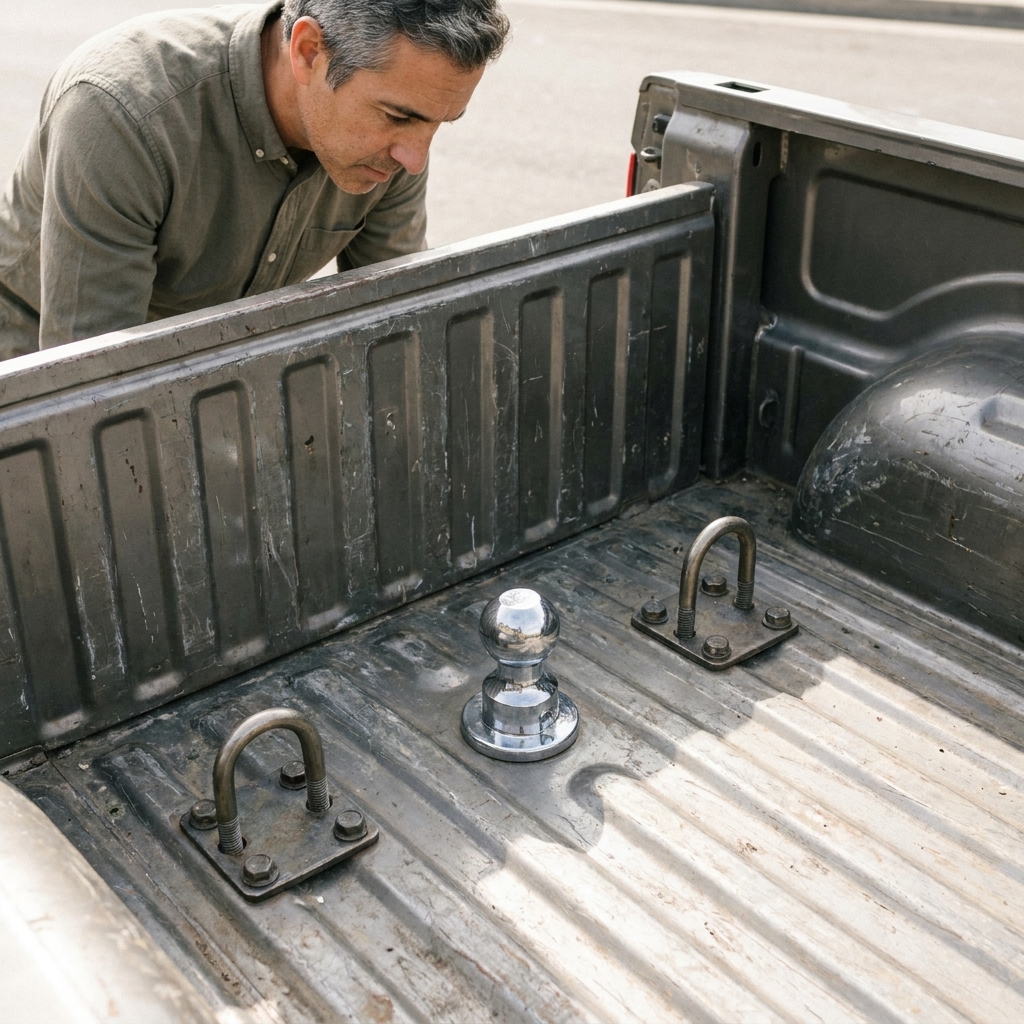
The big difference
A gooseneck connects to a ball in the bed (like a big trailer ball), while a fifth wheel connects to a jawed coupler that wraps around a kingpin (like a semi-truck style connection).
Both place the trailer’s pin or ball load in the truck bed. For stability and steering, the hitch point is typically set slightly forward of the rear axle centerline (or very close to it) when installed per the hitch manufacturer’s template. That is a big reason both styles tend to be more stable than bumper-pull trailers as weights climb.
Structural differences
Gooseneck trailer neck
A gooseneck trailer has a long “neck” that reaches down to a coupler that sits over a ball in your bed. That neck often provides excellent cab clearance in tight turns. Still, clearance depends on the trailer’s neck shape and where the ball is positioned in the bed.
- Common in: flatbeds, dump trailers, equipment haulers, livestock trailers, many commercial and farm trailers
- Typical materials: steel frames, heavier duty couplers, often built to live a hard life
Fifth wheel trailer front cap and pin box
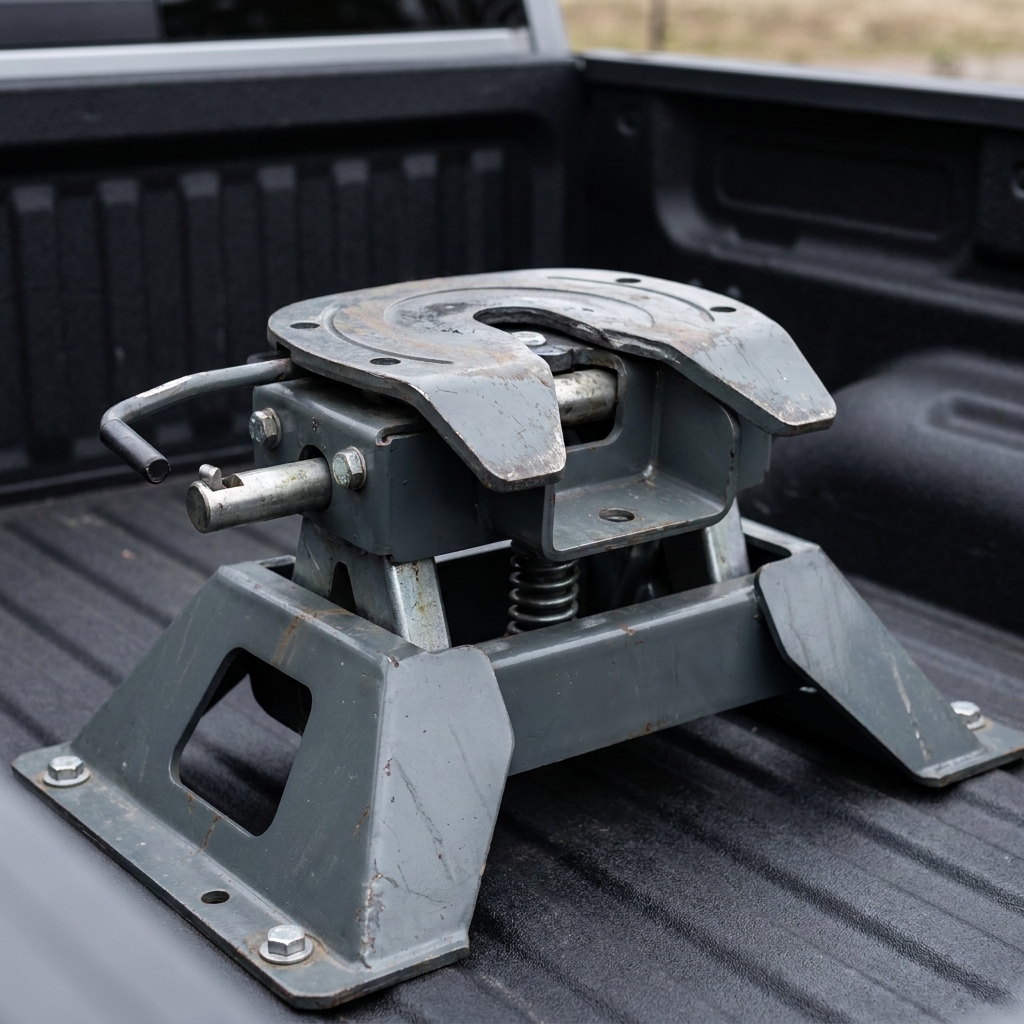
A fifth wheel trailer uses a kingpin under the front overhang. That kingpin is attached to a pin box, and the trailer has a front cap that extends over the bed rails. The hitch in the bed has a head with jaws that lock onto the kingpin.
Modern RV fifth wheels often have tapered front caps and “short-bed-friendly” designs that can turn very tightly. So while goosenecks often have the edge in clearance, it is not a guarantee.
- Common in: RVs and toy haulers, some specialty commercial trailers
- Typical materials: for RVs, lots of laminated structures and aluminum framing mixed with steel where needed
Plain-English takeaway: Goosenecks are often designed around abuse and payload flexibility. Fifth wheels, especially RVs, are designed around living space and ride comfort, with the hitch doing more mechanical “handshaking” via the jaws and hitch head.
Hitch mechanisms
Gooseneck hitch basics
- Connection: 2-5/16-inch ball (most common) and a gooseneck coupler
- Safety: two safety chains to bed-mounted points (and a trailer breakaway system where required)
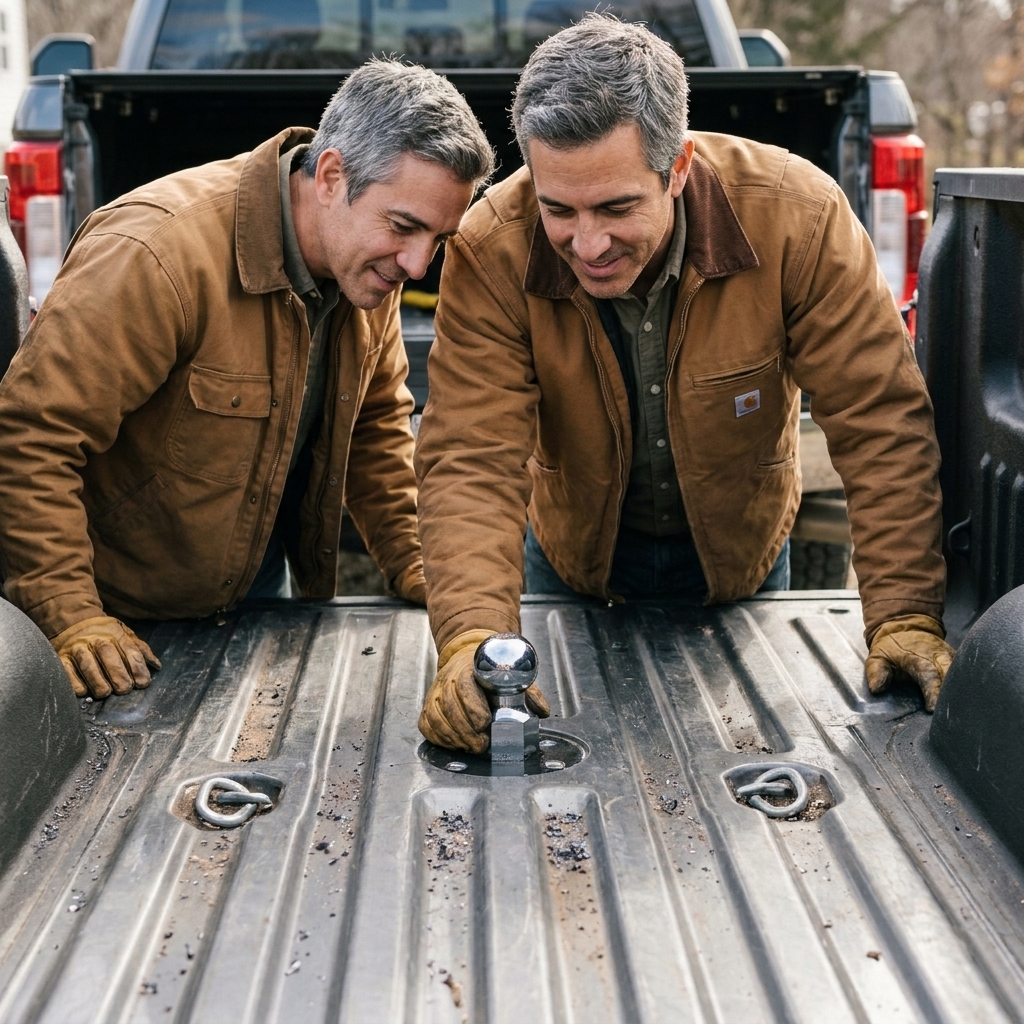
- Typical bed hardware: a fixed ball, a flip-over ball, or a removable ball system
What people like: Simple, strong, fewer moving parts, and many systems leave the bed nearly flat when the ball is removed or flipped.
Fifth wheel hitch basics
- Connection: kingpin captured by jaws in the hitch head
- Safety: generally no safety chains in RV use, with the locking jaws as primary retention (plus the trailer’s breakaway system). Rules and practices can differ in commercial use and by jurisdiction.
- Typical bed hardware: rails, puck systems, or aftermarket under-bed mounts
What people like: Very positive lockup feel when hitched correctly, wide aftermarket for slider hitches and air-ride style heads.
Ben’s safety note: With either style, “looks latched” is not the same as verified. Do a gentle pull test on level ground, confirm the lock and handle position, and double-check breakaway cable routing so it can pull cleanly in an emergency.
Turning and clearance
Short-bed trucks
This is where the decision gets real. A short bed (especially 5.5-foot beds) can run out of cab clearance fast.
- Fifth wheel: Often needs a slider hitch or a rotating pin box to avoid cab-to-trailer contact in sharp turns.
- Gooseneck: The longer neck often helps with cab clearance, but it still depends on trailer design and how far forward the ball is installed.
Standard and long beds
With an 8-foot bed, both styles are generally easier to live with. Fifth wheels often tow beautifully with a fixed hitch. Goosenecks still have the advantage of a cleaner bed if you use an under-bed ball.
My rule of thumb: If you have a short bed and you are eyeing a fifth wheel RV, plan the hitch system first, not last. The cost and bed space of a slider can change the whole equation.
Ride quality and chucking
“Chucking” is that fore-and-aft tugging you feel when the trailer and truck take turns pushing and pulling each other. Both goosenecks and fifth wheels can chuck, but the sources are often different.
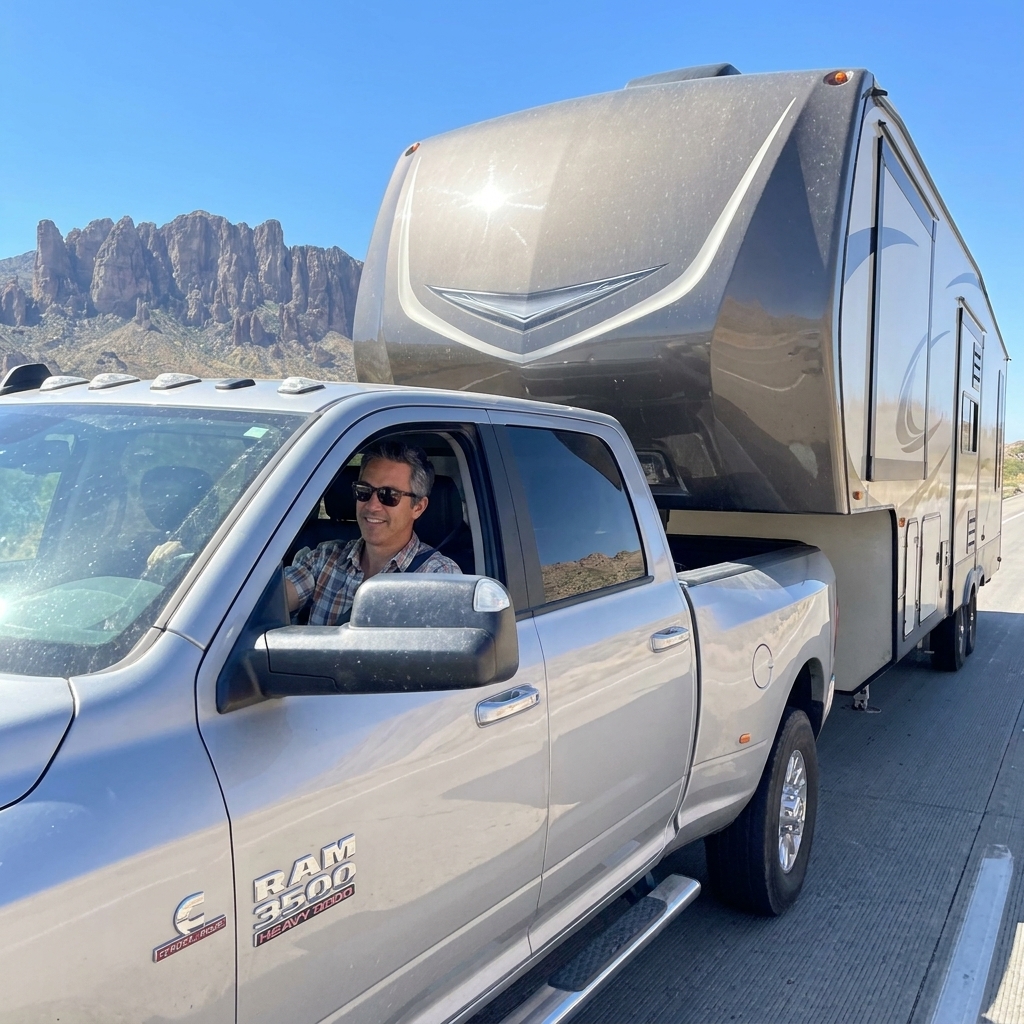
- Fifth wheel RVs: Many use suspension and pin box designs aimed at comfort. Adding a cushioned pin box or an air-ride hitch can make a noticeable difference for long travel days.
- Gooseneck equipment trailers: They can ride stiffer because the trailer is built for payload, not plush. Tire pressures, suspension type, and load placement matter a lot.
Reality check: Hitch type is only one part of ride quality. Correct pin or ball weight, a level trailer attitude, and balanced loading will beat a fancy hitch installed on a poorly set up rig every time.
Payload and ratings
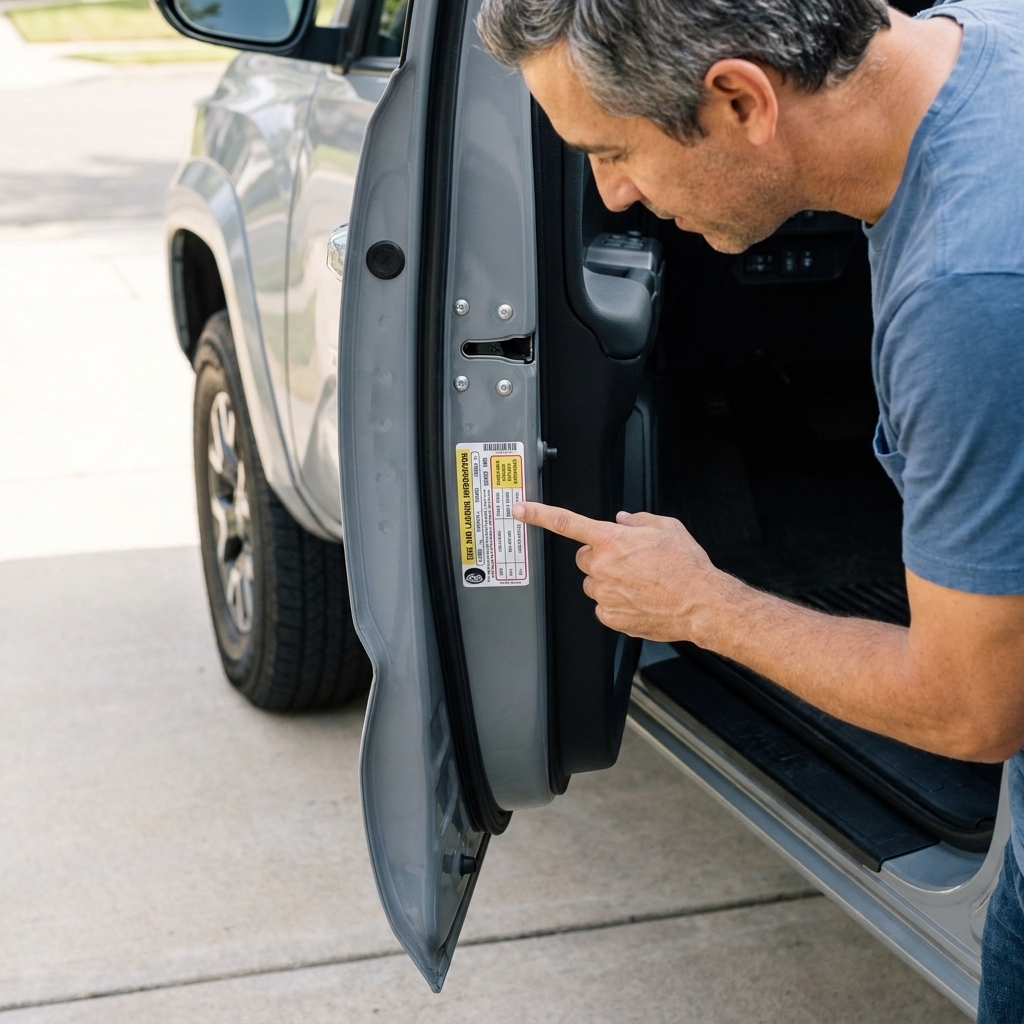
Both styles put weight in the bed. That means the limiting factor is often payload and rear axle rating, not the big tow number in the brochure.
Pin weight vs. ball load
People often assume fifth wheels automatically have higher pin weight. In practice, both styles can land in similar ranges, but your exact numbers depend on trailer design and how it is loaded.
- Fifth wheel RVs: often run roughly 18 to 25 percent of loaded trailer weight on the pin.
- Gooseneck trailers: a common stability target is around 20 to 25 percent on the ball, but equipment and load placement can swing that number lower or higher.
Example: A 14,000-lb trailer can easily put 2,500 to 3,000+ lb in your bed once you count passengers, fuel, hitch hardware, tools, and cargo. That is why 3/4-ton trucks get overloaded so quickly with big RV fifth wheels.
Hitch weight matters too
- Fifth wheel hitch assemblies: commonly heavier than a gooseneck ball setup, especially with sliders.
- Gooseneck under-bed ball: can be relatively light and keeps more payload available for pin or ball load.
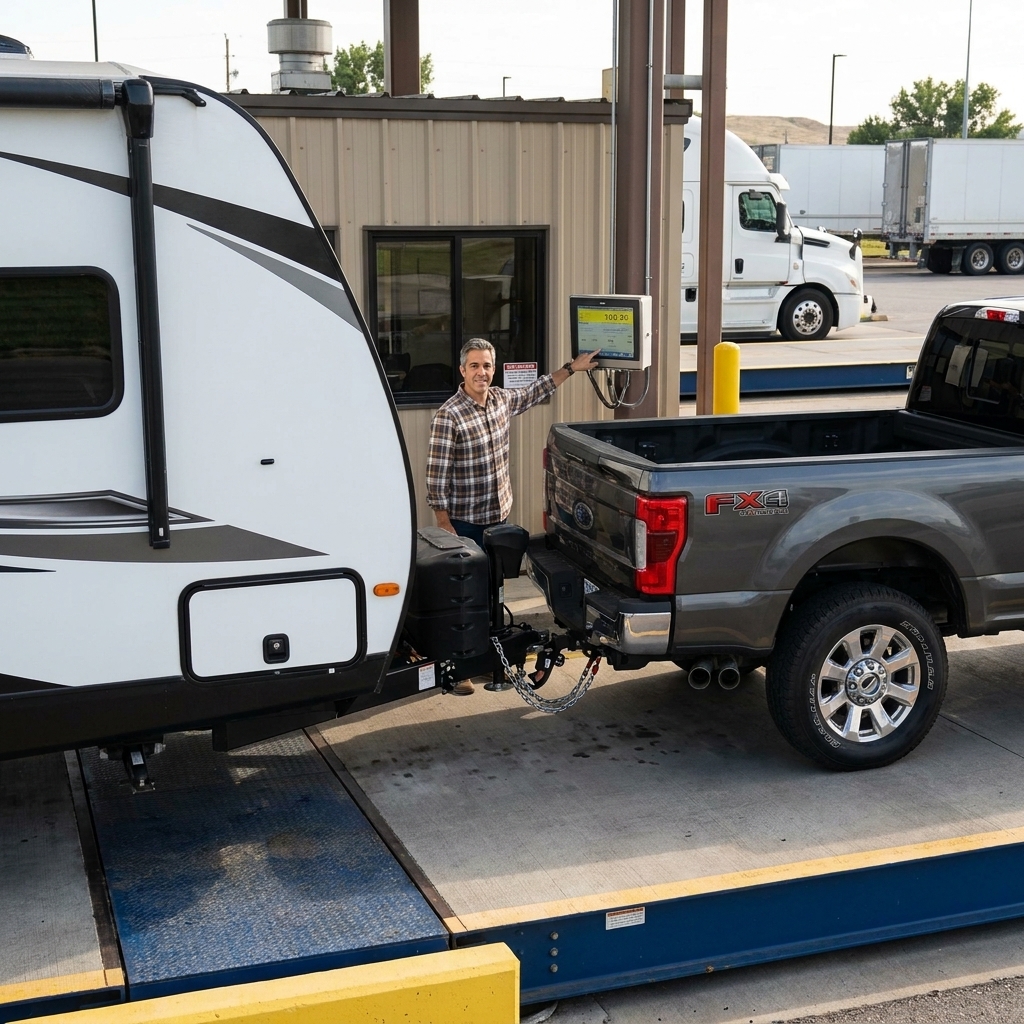
Ben’s driveway test: If you are not sure you are within ratings, the fastest truth is a scale ticket. Weigh the truck alone, then weigh truck and trailer together, then adjust loading until axle weights make sense.
Bed space and daily use
Gooseneck
With a turnover ball or removable ball, you can often get your bed almost completely back for weekend hardware store runs or hauling bikes and coolers.
- Best for: folks who use the truck as a truck during the week
- Tradeoff: you need access to the ball hole and safety chain points
Fifth wheel
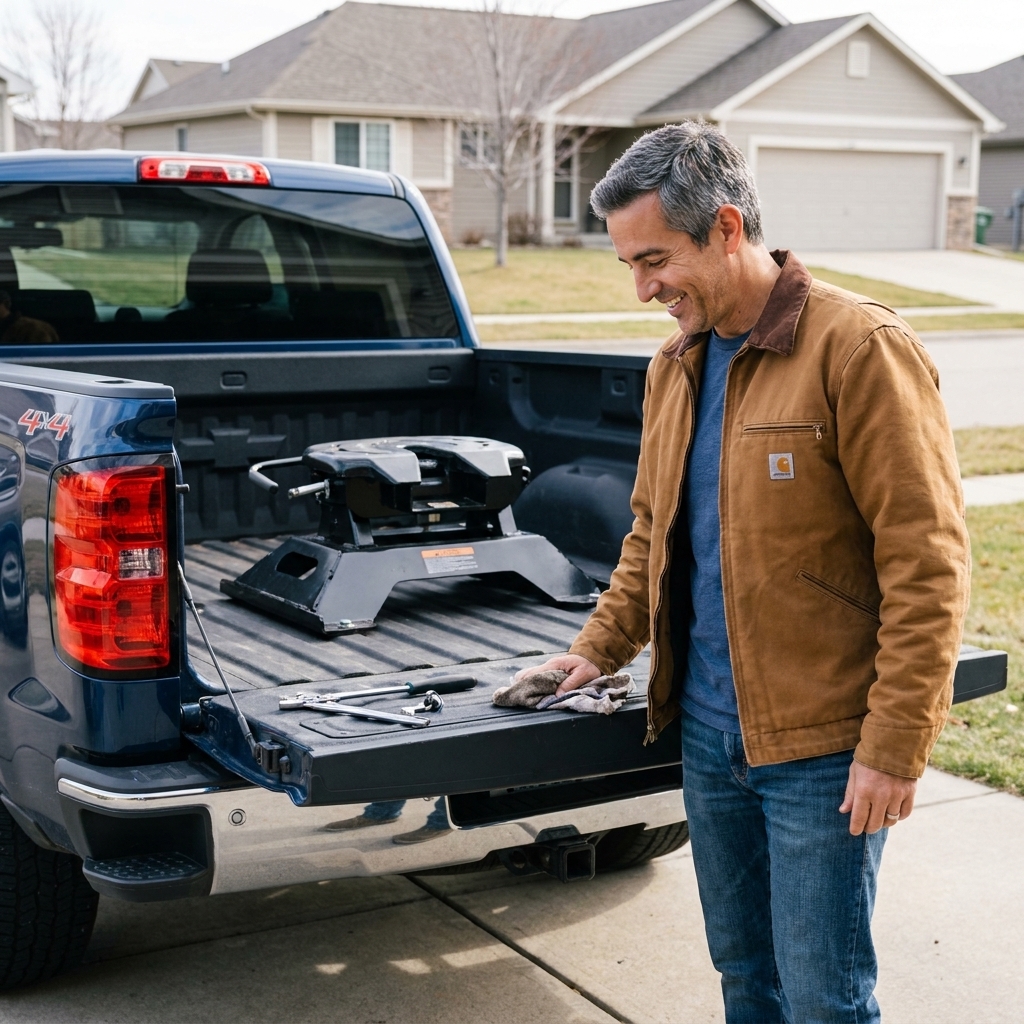
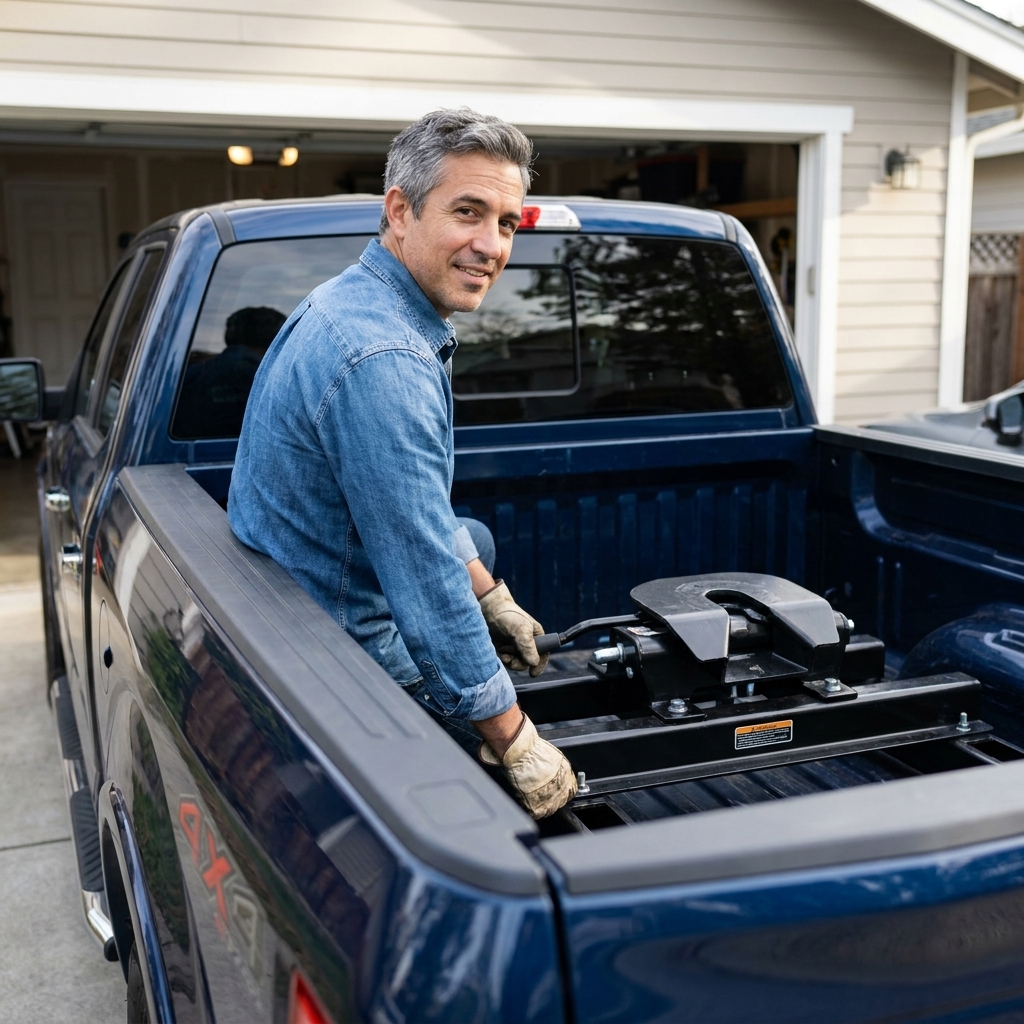
Traditional rail-mounted fifth wheel hitches take up space and add weight. Factory puck systems and some aftermarket under-bed mounts make removal easier, but the hitch head is still a chunk to lift out.
- Best for: dedicated tow rigs, full-timers, and people who tow often enough that leaving the hitch in is not a big deal
- Tradeoff: bed access and hitch removal effort
Cost and complexity
Prices swing a lot based on brand, truck prep packages, and whether you need a slider or air-ride setup. In broad strokes:
- Gooseneck: often lower parts cost and simpler installation, especially for under-bed ball kits
- Fifth wheel: hitch assemblies tend to cost more, and slider or specialty heads add cost fast
Installation quality matters more than saving a couple hundred bucks. A properly torqued, properly mounted hitch is what keeps your family and everyone else on the highway safe.
Which fits your job?
Gooseneck is usually a better fit if you…
- Haul equipment, materials, or livestock and want a tough, straightforward setup
- Need maximum bed usability when you are not towing
- Want excellent stability for heavy loads
- Swap trailers frequently in farm or jobsite life
Fifth wheel is usually a better fit if you…
- Are towing an RV, toy hauler, or large camper designed around a kingpin
- Want a hitch ecosystem with lots of comfort and convenience options
- Care about consistent coupling feel and easier “back under and latch” alignment
- Plan to tow often enough that leaving the hitch in bed is not a hassle
Gooseneck ball adapters
Sometimes you can pull a fifth wheel with a gooseneck ball using an adapter. But “it fits” is not the same as “it is a good idea.”
- Gooseneck-to-fifth wheel adapters: Some RV owners use them to connect a fifth wheel kingpin to a gooseneck ball.
- Potential issues: extra leverage on the trailer frame and pin box area, warranty concerns, and different stress paths than the trailer was designed for.
- Manufacturer rules: some trailer manufacturers explicitly prohibit certain adapters, while others allow only specific approved designs.
If you are considering an adapter, read your trailer manufacturer’s guidance first and talk to a reputable hitch shop. In a lot of cases, the safest long-term move is to install the correct hitch type for the trailer.
Hitch comparison table
| Category | Gooseneck | Fifth Wheel |
|---|---|---|
| Connection type | Ball and coupler | Kingpin and locking jaws |
| Common trailers | Equipment, flatbed, livestock, dump | RVs, toy haulers, some commercial |
| Bed space when not towing | Often excellent with under-bed ball | Varies, hitch can be bulky |
| Short-bed friendliness | Often good, depends on neck and ball position | Often needs slider or special pin box |
| Ride feel options | Some cushioned couplers available | Many cushioned pin boxes and air-ride hitches |
| Typical cost | Often lower | Often higher, especially with slider |
Common mistakes
- Buying based on tow rating only: Verify payload, rear axle rating, and tire ratings. Pin weight fills up payload quickly.
- Ignoring bed-rail clearance: With fifth wheels, you want sufficient clearance between the bed rails and trailer overhang. A commonly cited guideline is around 6 inches, but follow your trailer and hitch manufacturer recommendations and confirm clearance through dips and driveways.
- Skipping legal checks: Safety chain rules, breakaway requirements, registration, and GVWR-related rules can vary by state or province. A quick check before you tow can save you a roadside headache.
- Improper hitch placement or drilling: Gooseneck balls are typically centered and slightly forward of the axle per the kit’s template. Follow the instructions, measure twice, and do not freelance the location.
- Improper hitch height: A nose-high trailer can reduce braking effectiveness and change handling. Aim for level when loaded.
- Not maintaining the hitch: Fifth wheel plates need proper lubrication or a lube plate, depending on your setup. Gooseneck balls and couplers still need regular inspection for wear, rust, and cracked welds, and hardware should be checked for torque per the manufacturer schedule.
FAQ
Which is safer?
Both are very safe when correctly matched, correctly installed, and correctly hitched. Most safety issues come from overload, poor maintenance, or an improper hookup, not the hitch style itself.
Which tows more stably?
Both are typically stable because the hitch point is over the rear axle instead of hanging off the bumper. In gusty winds and passing trucks, trailer design, tire condition, suspension, and proper loading usually matter more than ball versus jaw connection.
Do I need a dually for a fifth wheel?
Not always, but big fifth wheel RVs often push pin weights high enough that a one-ton dually is the comfortable, within-the-ratings answer. The right truck depends on the trailer’s loaded weight and your real-world payload.
Is a gooseneck easier to hook up?
Goosenecks are simple, but lining up directly over a small ball can take practice. Fifth wheels tend to be more forgiving to back under, but they add steps like confirming jaw lock and handle position. Either can be easy with repetition and a consistent routine.
My recommendation
If you are hauling equipment, hay, or livestock and you want a tough setup that keeps your bed usable, gooseneck is hard to beat. If you are shopping RVs and you want the most purpose-built connection and comfort options, a fifth wheel hitch is usually the cleanest solution.
If you tell me your truck (year, cab, bed length, 2WD or 4WD) and the trailer you are considering (GVWR and what you realistically carry), I can help you sanity-check hitch choice, expected pin or ball weight, and what to watch for before you spend a dime.