If you have a heavy-duty pickup and a trailer that belongs in the bed instead of on the bumper, you are already thinking like a safe tow operator. The hard part is picking the bed hitch that fits how you actually use your truck. I have watched plenty of good trucks end up in white-knuckle towing situations just because the hitch and trailer were mismatched.
Let’s break down fifth wheel vs. gooseneck in plain driveway language: how they connect, how they handle, what they cost you in bed space, and which one makes the most sense for your trailer and your kind of miles.
The quick difference
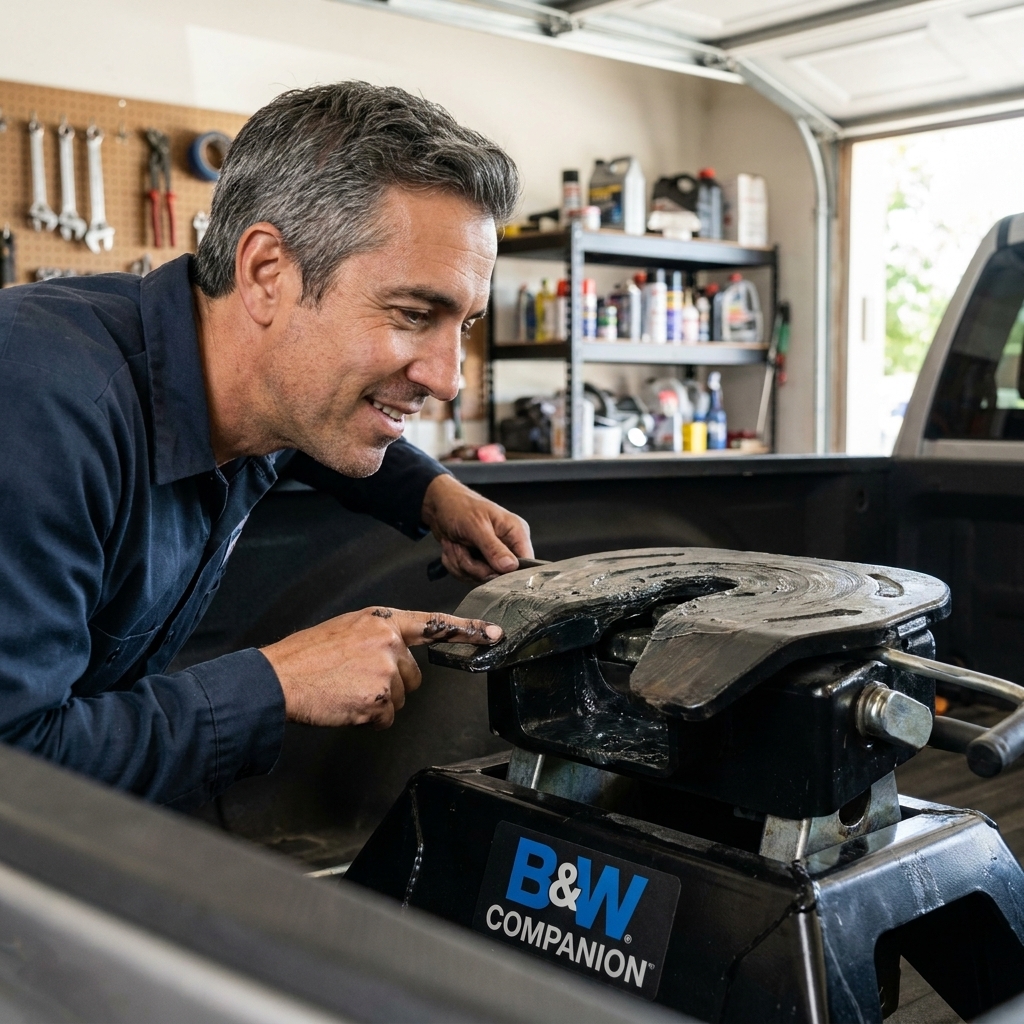
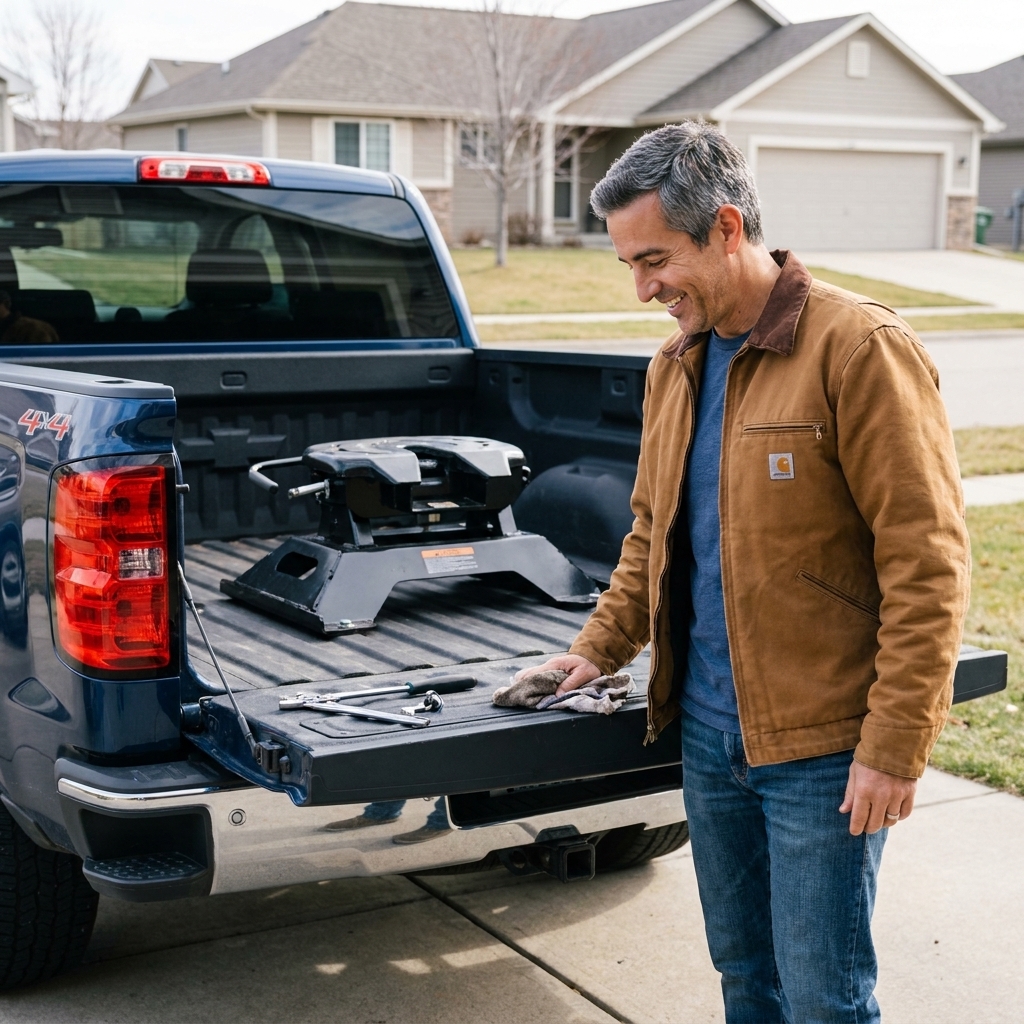
A fifth-wheel hitch uses a wide, plate-style coupling and a locking jaw that grabs a kingpin on the trailer. Think of it like a big, greased skid plate that the trailer rides on.
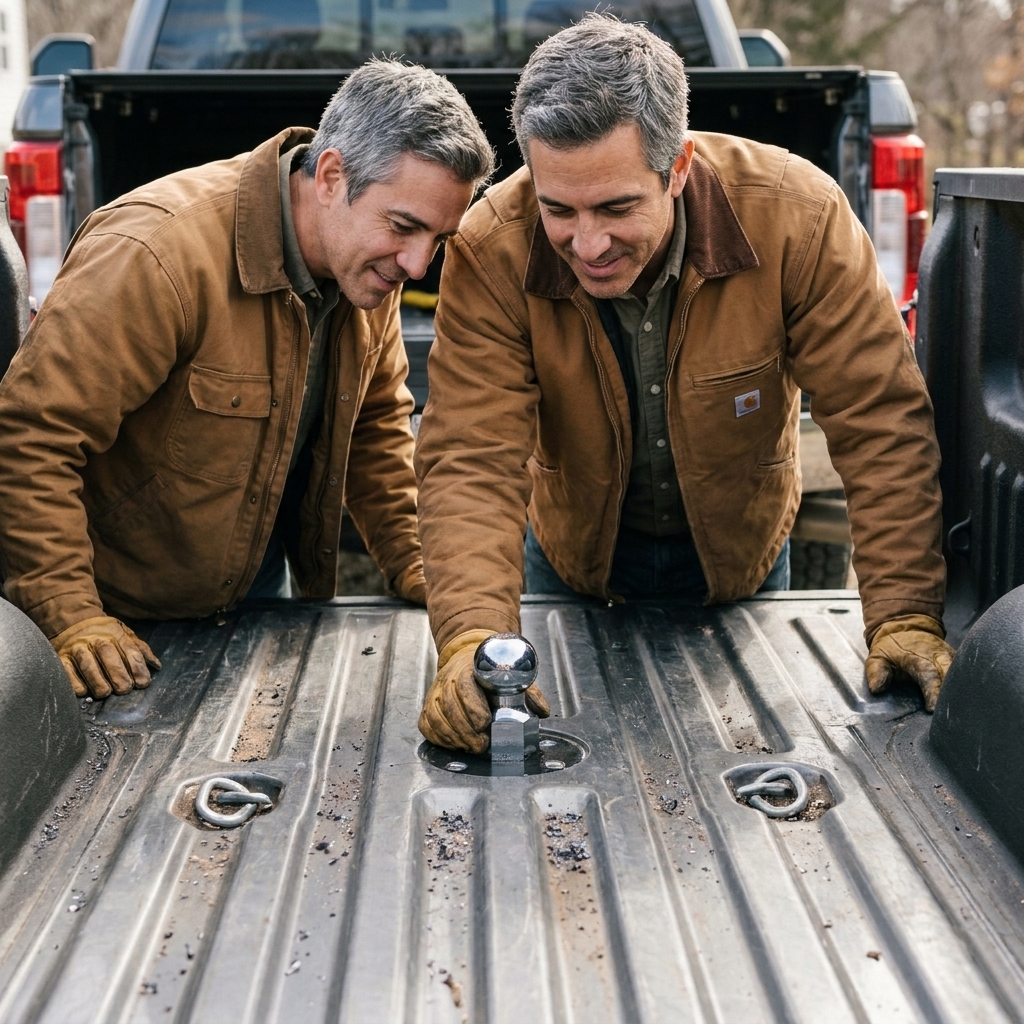
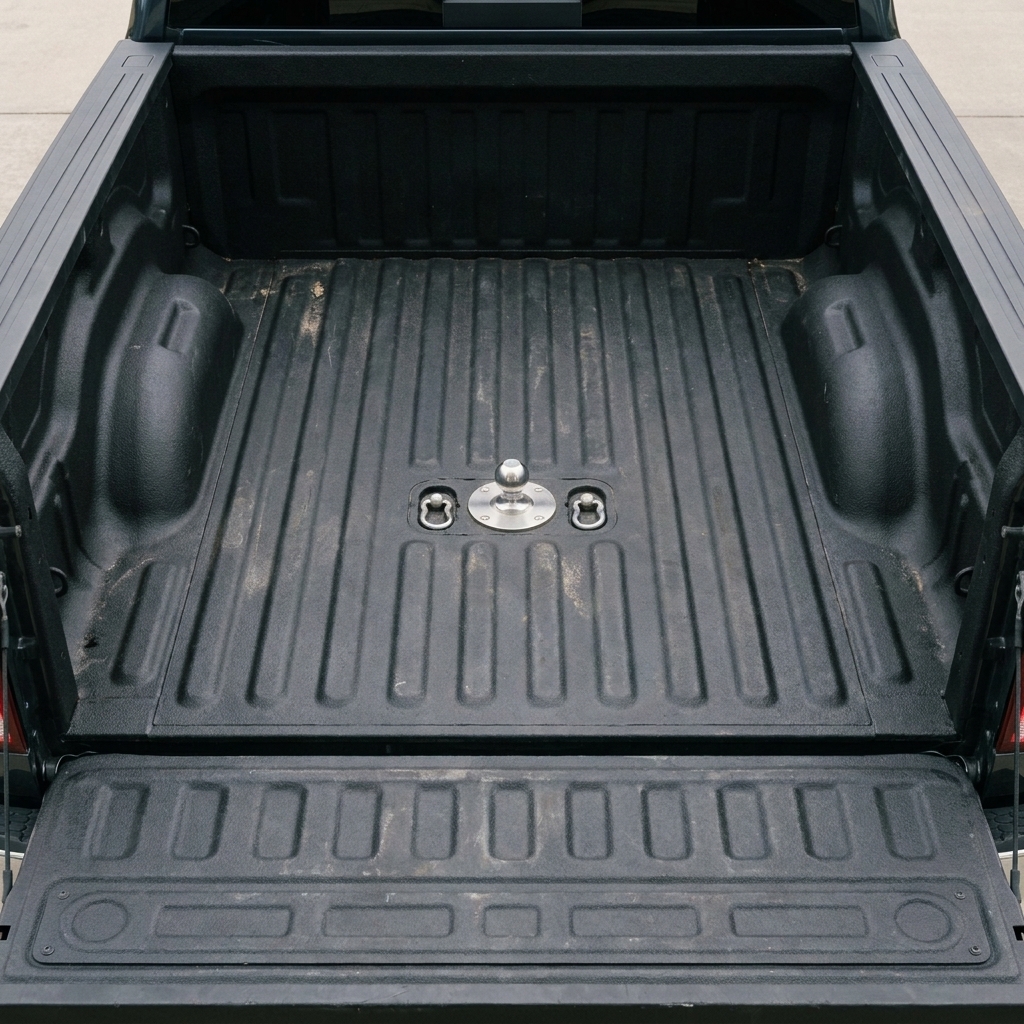
A gooseneck hitch uses a ball in the truck bed (usually 2-5/16 inches) and a coupler tube on the trailer that drops onto the ball. Think of it like a very heavy-duty version of a bumper-pull ball, moved into the bed for better leverage.
- Most fifth-wheel RV trailers: kingpin connection
- Most livestock, flatbeds, and many equipment trailers: gooseneck ball
- Many towable RVs overall: bumper-pull couplers on a receiver hitch
- Some trailers can be converted: with adapters, but it is not always a good idea
How the hardware works
Fifth-wheel mechanics
A fifth-wheel hitch is a steel assembly bolted to your truck, either on traditional bed rails or into an underbed puck system. The hitch head tilts and pivots, and the trailer’s kingpin locks into a jaw mechanism.
- Contact area: large plate-to-plate surface, which spreads load
- Articulation: built into the head, helps on uneven ground
- Connection: kingpin plus locking jaw is very secure when properly latched
Gooseneck mechanics
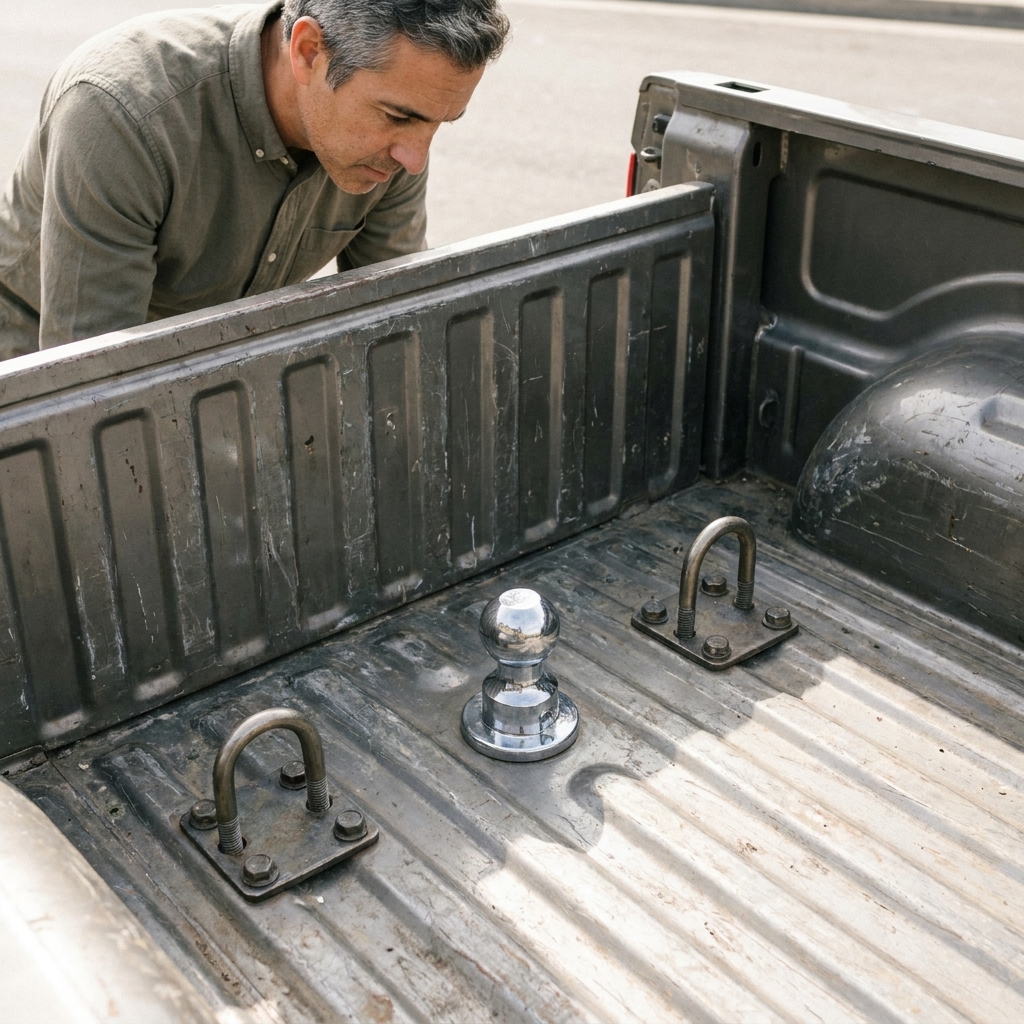
A gooseneck hitch is anchored under the bed to the truck’s frame, with a ball socket in the bed floor. The trailer has a gooseneck coupler (the tube and coupler head) that drops over the ball and latches.
- Contact area: small ball and coupler interface, but extremely strong when rated correctly
- Articulation: ball allows a lot of rotation, handy off-road and in fields
- Connection: simple and fast, with fewer moving parts at the hitch point
Ride and handling
Both styles often tow better than a basic bumper pull because the hitch point is typically over, or slightly ahead of, the rear axle. That shortens the yaw moment arm compared with a rear receiver hitch, which can reduce sway. A well set up bumper-pull trailer with weight distribution and anti-sway can still tow very well, but the bed-hitch layout starts with better geometry.
Why many RV owners prefer a fifth wheel
- Smoother chucking control: the wide fifth-wheel plate can feel more “damped” over expansion joints
- Predictable backing: the pivot point and geometry are very consistent
- Designed for tall front caps: many fifth-wheel RVs are built around this setup
Why many work trailer owners prefer a gooseneck
- Tight, direct feel: the ball connection can feel precise
- Excellent articulation: good for job sites, rutted drives, and uneven approaches
- Less bulky in the bed: with a removable ball, you can get a mostly clear bed quickly
One reason some goosenecks feel “choppier” is that you have a single-point ball connection and a lot of work trailers are stiff, lightly damped, and sometimes empty. If ride quality is a priority, cushioned gooseneck couplers and air-ride options can make a noticeable difference.
My rule of thumb: If your trailer is something you live in, a dedicated RV fifth-wheel hitch is usually the most comfortable and forgiving setup. If your trailer is something you work out of, load awkwardly, or drag through uneven ground, gooseneck simplicity is hard to beat.
Pros and cons
Fifth-wheel pros
- Excellent stability and comfort for large RVs
- High weight ratings are common (check your specific hitch and truck ratings)
- Strong, positive coupling with visual verification of jaw engagement
- Lots of aftermarket options including slider hitches for short beds
Fifth-wheel cons
- Takes up bed space, especially rail-mounted hitches
- Heavier to remove; many need two people or a hoist
- More moving parts to inspect, lubricate, and adjust
- Short bed clearance can be tricky without the right hitch or pin box
Gooseneck pros
- Clear bed when removed (especially with underbed kits)
- Simple coupling and generally less hitch bulk
- Great articulation for uneven terrain
- Often the standard for farm, livestock, and equipment trailers
Gooseneck cons
- Can feel choppier depending on trailer design, suspension, and how it is loaded
- Less forgiving of poor loading; pin weight balance still matters a lot
- Not all RV frames like adapters if you try to convert a fifth-wheel RV to a ball
- Ball height matters; wrong height can create nose-high towing and weird braking
Bed space and payload
A hitch decision is not just about towing rating. It is also about what your truck can carry.
Payload and pin weight
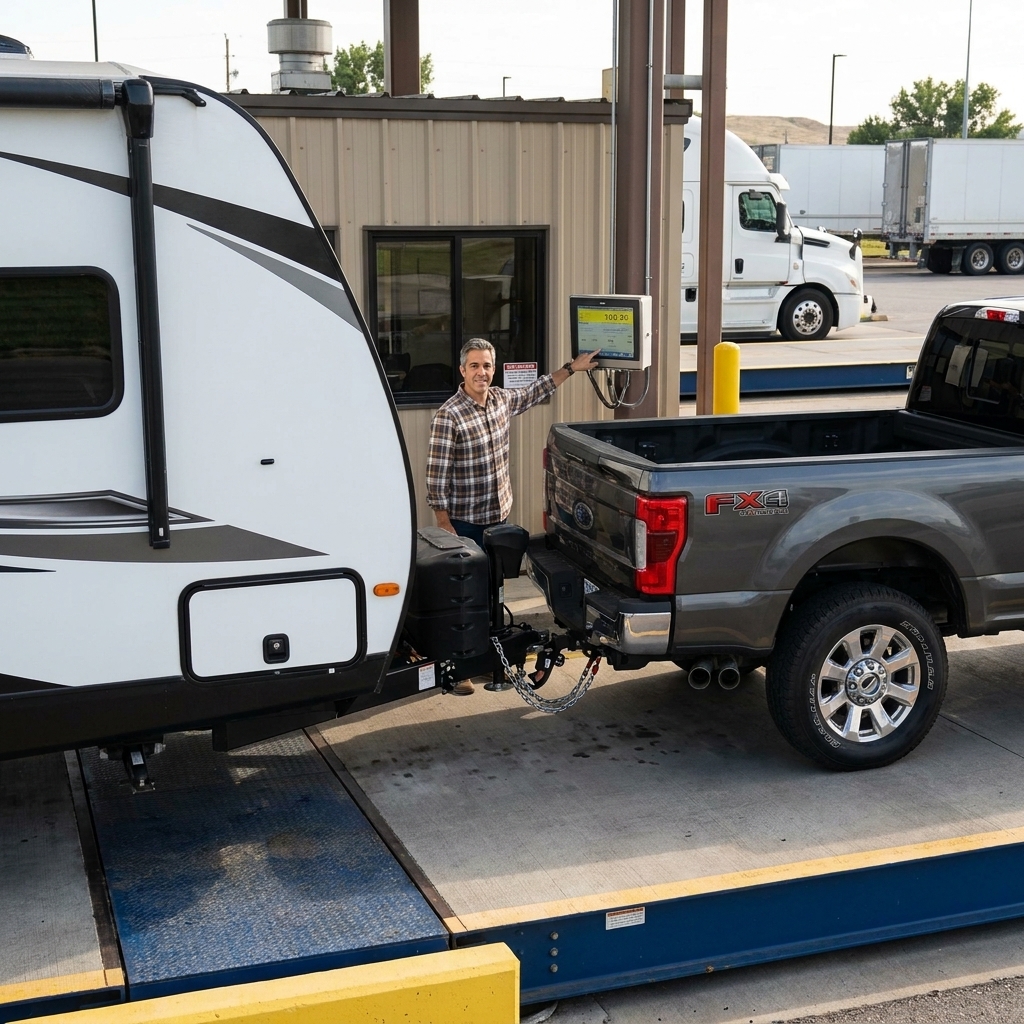
Whether it is a kingpin (fifth wheel) or gooseneck ball, the trailer is putting a lot of vertical load in your bed. That load counts against:
- your truck’s payload
- rear axle rating (RAWR)
- tire ratings
- and the truck’s gross vehicle weight rating (GVWR)
If you want quick sanity-check numbers before you ever hit a scale, here are practical ranges many owners see in the real world:
- Fifth-wheel RVs: often about 15 to 25 percent of trailer weight on the pin
- Gooseneck trailers: often about 10 to 20 percent, with a wide swing depending on deck length, axle placement, and where the load sits
Those are not rules and your trailer can be outside them, but they are useful for spotting a setup that is obviously not going to fit your payload.
Hitch weight itself
Do not forget the hitch counts as payload too. A big fifth-wheel hitch can easily eat a meaningful chunk of payload before you add passengers, tools, and the trailer’s pin weight. Many gooseneck setups have less hardware in the bed, which helps.
Bed access
If you use your truck bed for work, the gooseneck usually gets the nod for convenience. If your truck is mostly a tow rig for an RV, a dedicated fifth-wheel hitch is not a big sacrifice.
One small convenience detail that matters on day one: many gooseneck installs also add an in-bed 7-way plug. It keeps the cord out of the tailgate gap and makes hooking up less of a yoga move.
Common use cases
Choose a fifth-wheel hitch if you tow:
- Fifth-wheel travel trailers and toy haulers designed around a kingpin
- Long-distance RV trips where comfort and stability matter every day
- Heavier RVs where a purpose-built RV hitch with the right rating gives peace of mind
Choose a gooseneck hitch if you tow:
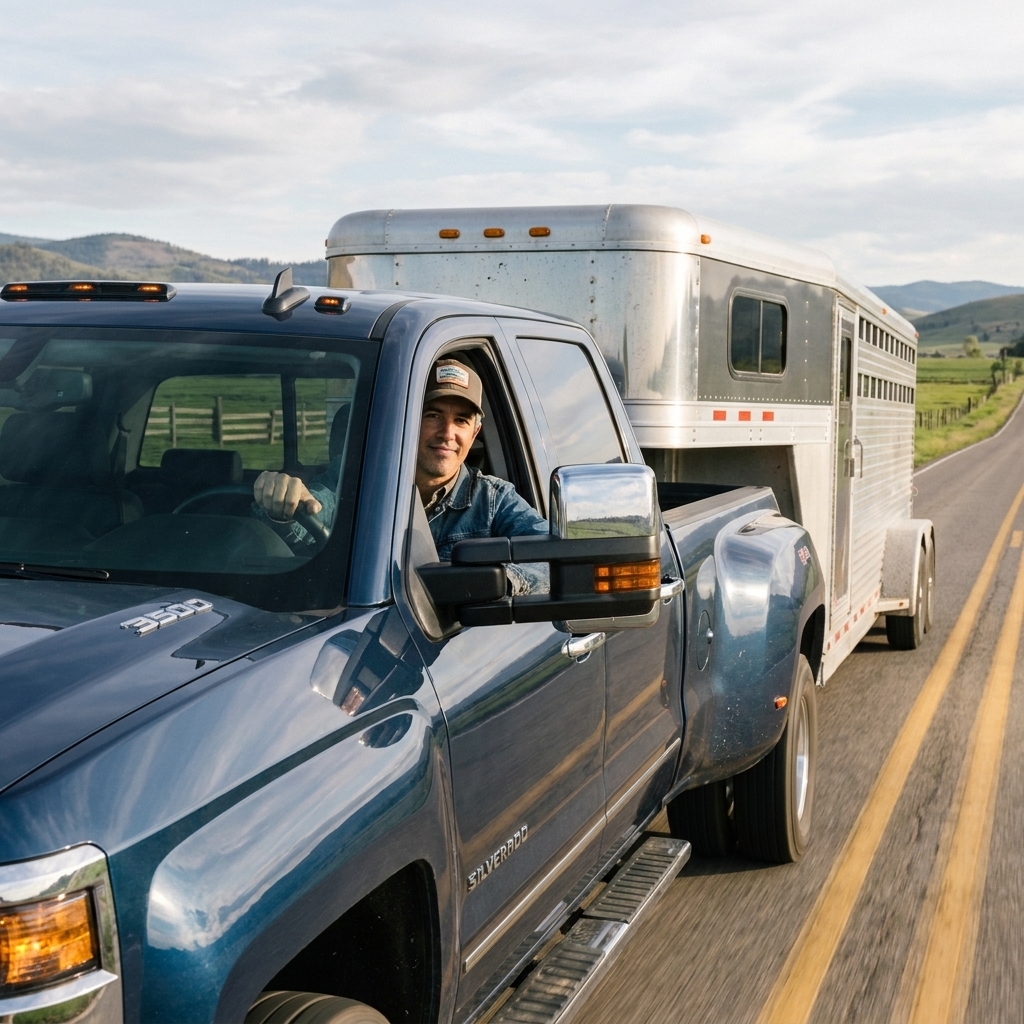
- Livestock trailers (frequent coupling, uneven ground, lots of articulation)
- Flatbeds and equipment trailers where you value bed space and simplicity
- Work trailers that get hooked and unhooked often, sometimes in the mud
Conversions
Sometimes. But this is where people get into trouble.
Gooseneck-to-fifth-wheel conversions
Many gooseneck trailers can be fitted with a fifth-wheel style pin box. This is common in some specialty setups and can make sense if you already have a fifth-wheel hitch in the truck. The trailer must be designed and rated for the conversion hardware.
Fifth-wheel RV to gooseneck ball adapters
You will see adapters that let a fifth-wheel kingpin trailer connect to a gooseneck ball. Some RVers use them to free up bed space or avoid buying a fifth-wheel hitch.
Here is the caution, straight from the shop-floor mindset: adapters can change leverage and stress on the trailer’s pin box and frame. Some trailer manufacturers explicitly warn against certain adapter styles, and using one can create cracking issues over time.
Also, many RV manufacturers treat gooseneck adapters as a warranty issue, and insurance or liability questions can get messy if you are outside manufacturer guidance. It is not worth guessing.
If you are considering an adapter, check:
- your trailer manufacturer guidance on adapters and pin boxes
- adapter rating (GTW and vertical load)
- hitch and ball ratings, plus truck payload and axle ratings
- bed rail clearance and turning clearance
- how the adapter changes effective pin height
Short beds
Short beds can tow either style, but you have to plan for cab clearance. In pickup-truck terms, “short bed” often means anything under 8 feet, and the tightest turning issues usually show up with the really short beds around 5 foot 6 inches. The common 6 foot 4 inch beds live in the middle.
Fifth wheel and short beds
Many short bed owners use:
- sliding fifth-wheel hitches
- rotating pin boxes (where approved)
- fixed hitches only if the trailer front cap and hitch geometry allow it
The goal is simple: avoid the trailer contacting the cab on tight turns.
Gooseneck and short beds
Goosenecks can still tag the cab if the neck is long and the trailer is wide. Some trailers are built with short-bed-friendly neck geometry, but you cannot assume it. Measure, mock it up, and do slow, controlled clearance checks.
Install and upkeep
Fifth-wheel install and upkeep
- Installation: rail kit or OEM puck-system-compatible hitch
- Maintenance: keep the plate properly lubricated (or use a lube plate), inspect jaws and pins, torque-check mounting hardware
- Wear points: jaw mechanism, pivot bushings, mounting points
Gooseneck install and upkeep
- Installation: underbed frame brackets with a ball and safety chain loops
- Maintenance: keep the ball clean and lightly greased, inspect coupler latch and safety chains, check bed hardware for looseness
- Wear points: ball, coupler, latch components
Either way, if you tow in salted winter roads, rinse the hitch area and keep corrosion in check. Rust is patient. It will wait you out.
Hook-up safety checks
- Verify the coupling: visually confirm jaws closed on the kingpin, or coupler fully seated on the ball with the latch secured
- Do a tug test: trailer brakes set, truck gently pulls forward to confirm connection
- Safety chains: gooseneck trailers generally use chains, and in many places they are required. Most fifth-wheel RV setups do not use safety chains because the kingpin and jaw are the primary coupling. Follow your trailer design and local regulations.
- Breakaway system: pin in, battery charged, cable routed so it will pull straight if needed
- Bed clearance: tailgate position, rail clearance, and turning clearance
- Lights and brakes: confirm running lights, brake lights, turn signals, and that the brake controller is applying
Decision cheat sheet
| Question | Leans Fifth Wheel | Leans Gooseneck |
|---|---|---|
| What trailer do you own? | Fifth-wheel RV with kingpin | Livestock, flatbed, equipment gooseneck |
| How often do you need a clear bed? | Not often | Often |
| Where do you tow? | Mostly highways and campgrounds | Job sites, farms, uneven ground |
| What feel do you want? | Smoother, more RV-focused | Simple, direct, work-ready |
| Short bed concerns? | May need a slider or approved pin box | Still needs clearance checks, depends on neck |
FAQ
Is a fifth wheel safer than a gooseneck?
Both are safe when correctly rated, installed, and hitched. “Safer” usually comes down to matching the trailer design, keeping pin weight in range, and not exceeding payload or axle ratings.
Which one can tow more?
It depends on the truck and the exact hitch. Many gooseneck and fifth-wheel systems are available in very high ratings. The limiting factor is often the truck’s payload and rear axle capacity, not the hitch itself.
Will a gooseneck ride rougher?
It can, especially with some empty or lightly loaded work trailers. Trailer suspension, tire pressure, and pin weight matter a lot. Many fifth-wheel RVs feel smoother because the whole system is designed around comfort.
Do I need a dually?
Not automatically. Plenty of SRW one-ton trucks tow fifth wheels and goosenecks safely. What you need is enough payload for the pin weight and enough rear tire capacity for the load you are carrying.
My bottom line
If you tow a fifth-wheel RV, a proper fifth-wheel hitch is usually the cleanest, most confidence-inspiring choice. If you tow equipment, livestock, or a work trailer and you value a clear bed and simple hardware, a gooseneck hitch is hard to beat.
Whatever you choose, match ratings, respect payload, and take the extra two minutes to do the tug test. That is the kind of boring habit that keeps a family trip or a workday from becoming a roadside story.