If you only take one thing from this Tow Vox guide, take this: coupling and uncoupling a bumper-pull trailer is not about muscle, it is about sequence. Do the same steps in the same order every time, and you will reduce the risk of common hookup failures that can turn into big problems on the road.
This walkthrough assumes level ground and a typical bumper-pull (ball coupler) trailer. Always follow your specific trailer and hitch manufacturer instructions if they differ. If you are using a weight-distribution hitch (WDH) or sway control, the basics are the same, but the order and hardware steps can change, so follow the WDH manual.
Hard rule: never place a person between a moving tow vehicle and a trailer. If you cannot see the hitch clearly, stop the vehicle, set the parking brake, and then get out and look.
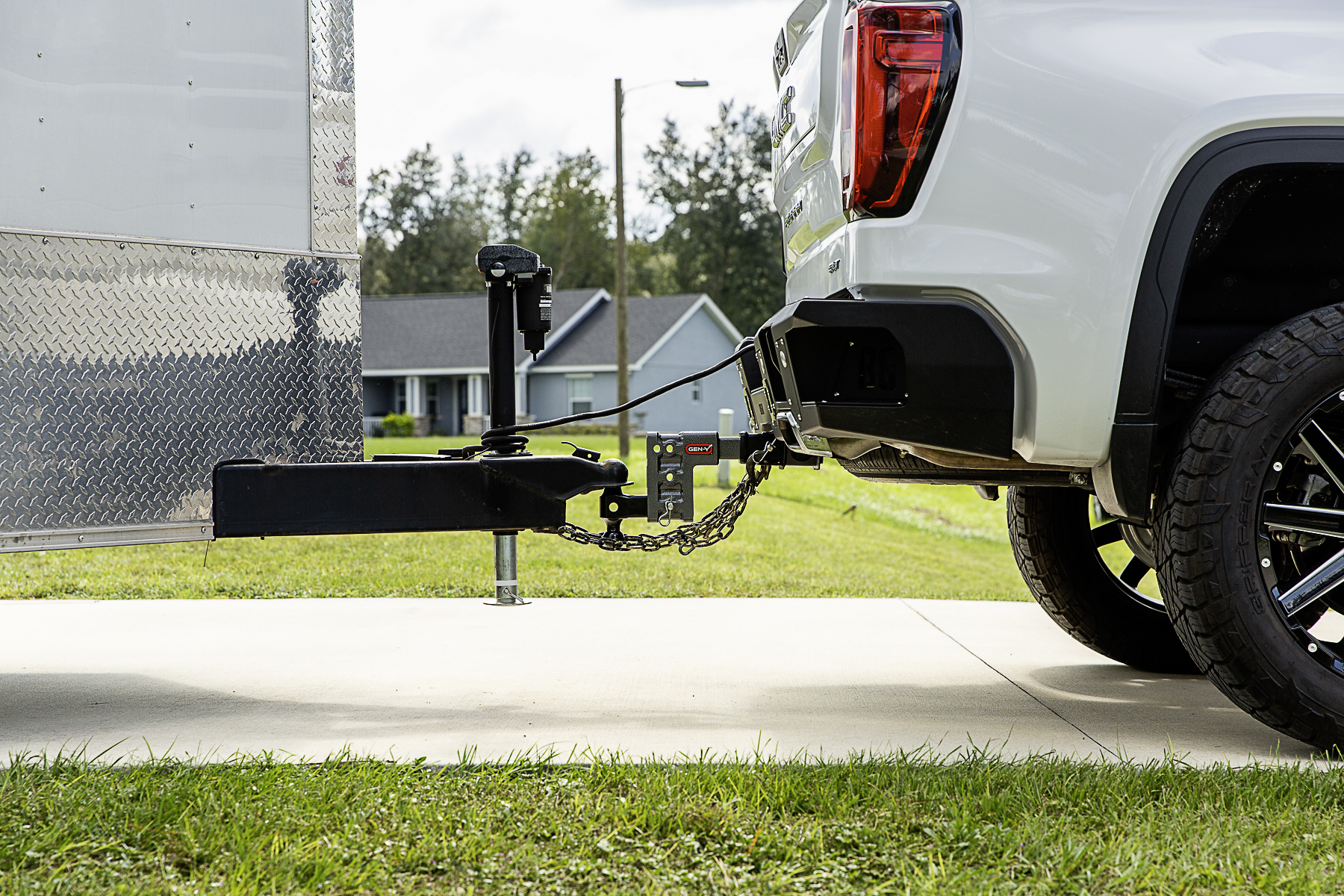
Before you start: quick safety setup
What you want on hand
- Wheel chocks (a pair minimum)
- Work gloves
- Flashlight (daylight helps, but shadows hide latches)
- Your trailer key or coupler lock key (if used)
Get the scene right
- Level ground is the goal. Avoid slopes and soft shoulders whenever you can.
- Clear the area around the tongue, hitch, and trailer wheels. Kids, pets, and bystanders should be well away.
- Do not rush backing up. Slow beats bent jacks and smashed tailgates.
Coupling a bumper-pull trailer (my shop sequence)
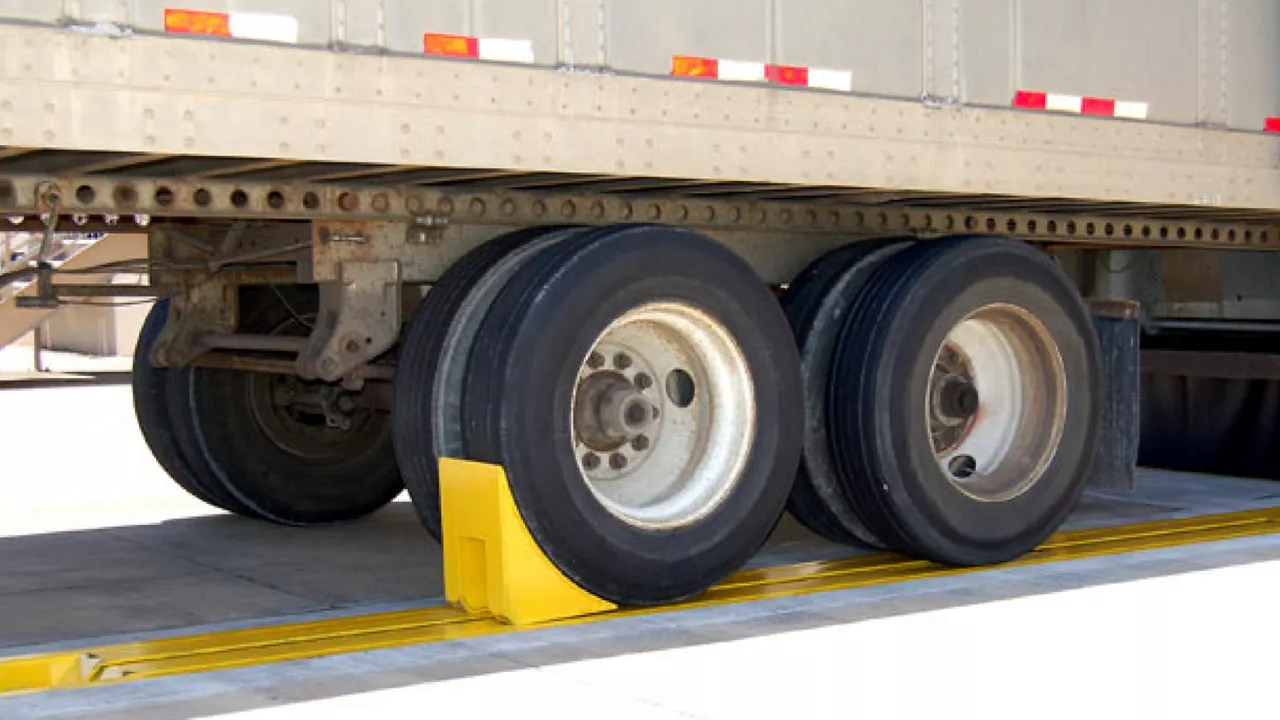
1) Chock the trailer wheels first
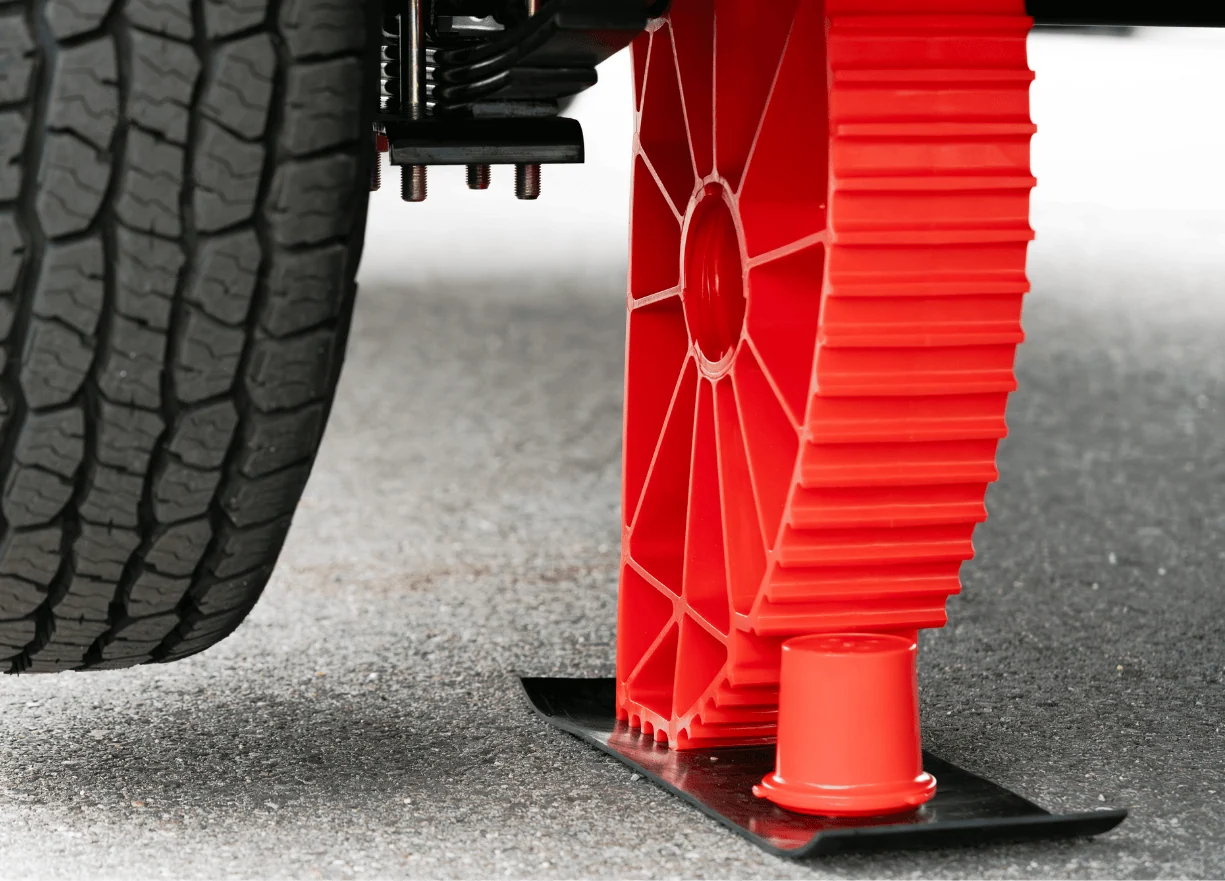
If the trailer is sitting by itself, chock it before you do anything else. Place chocks snugly against the tires on both sides of the trailer (at least one tire per side). On a tandem axle trailer, I still like chocking at least one wheel on each side.
Why first? Because the moment you lift or lower the tongue, you are changing weight balance. A trailer that rolls an inch at the wrong time can bind the coupler, pinch fingers, or shift off alignment as you try to latch it.
2) Verify ball and coupler match (do not assume)
Most coupler problems I see are not bad luck. They are mismatches.
- Confirm coupler size: The coupler should be stamped with its ball size, commonly 1-7/8 inch, 2 inch, or 2-5/16 inch.
- Confirm ball size: The ball itself is usually stamped on top or on the shank.
- Match them exactly: A 2 inch coupler on a 1-7/8 inch ball can latch enough to fool you, then pop off when you hit a bump. A 2-5/16 coupler on a 2 inch ball is also a problem waiting to happen.
- Check the ratings: Make sure the ball, ball mount, receiver, and hitch components are rated at or above your trailer’s actual weight.
If anything looks questionable, stop and confirm the manufacturer markings. Guessing here is how trailers get loose.
3) Set hitch height so the trailer will tow level
Before you commit to the hookup, take a second to confirm your ball mount height makes sense. A trailer that tows nose-high or nose-low can handle poorly and increase sway risk. Adjust the ball mount drop or rise so the trailer sits roughly level when loaded.
4) Position the tow vehicle: straight, centered, slow
Back up until the hitch ball is directly under the coupler. The straighter you are, the easier everything is. If you have a spotter, agree on simple hand signals ahead of time.
- Back up slowly.
- Stop early and get out to check alignment if you are not 100 percent sure.
- Set the parking brake before leaving the driver’s seat.
Stop for uncertainty: If you cannot tell whether the ball is centered under the coupler, stop, park, and look. Do not bump it blindly.
5) Prepare the coupler: open the latch fully
Different couplers use different latch styles, but the idea is the same: the coupler must be in the open position so the ball can seat completely. If your coupler uses a safety pin or lock, have it ready but do not lock it yet.
Also take two seconds to look for obvious issues:
- Cracked coupler housing
- Loose coupler bolts (if it is a bolt-on coupler)
- Excessive rust, bent latch parts, or missing components
6) Lower the coupler onto the ball using the tongue jack
With the tow vehicle in park and the parking brake set, use the tongue jack to lower the coupler straight down onto the hitch ball.
- Lower until you feel the coupler fully seat on the ball.
- Do not use the truck to lift the trailer into place by backing under it aggressively.
If the jack binds or the coupler is not dropping cleanly, stop and reassess alignment. Binding usually means you are off-center or the coupler is not fully open.
7) Close the latch and secure it with a pin or lock
Close the coupler latch per the manufacturer design, then install the safety pin or coupler lock so it cannot pop open.
This is the moment where you want to be picky. A latch that kind of closed is not closed.
If you feel uncertain about engagement, stop. Raise the tongue slightly, open the latch again, re-seat the coupler on the ball, and re-latch. Do not tow hoping it will settle in.
8) Do the jack test to confirm a real connection
This is my favorite low-tech verification because it is hard to fool.
- With the coupler latched and pinned, crank the tongue jack up to lift the trailer tongue.
- Keep going until you see the tow vehicle suspension load up. On some setups, you may see the rear rise slightly. On others, the change is subtle, especially with very light tongue weights or certain WDH setups.
- If the coupler is not locked on the ball, it will separate during this test, which is exactly what you want to happen while you are stationary and chocked.
After the test, lower the jack again until the full trailer tongue weight is on the hitch.
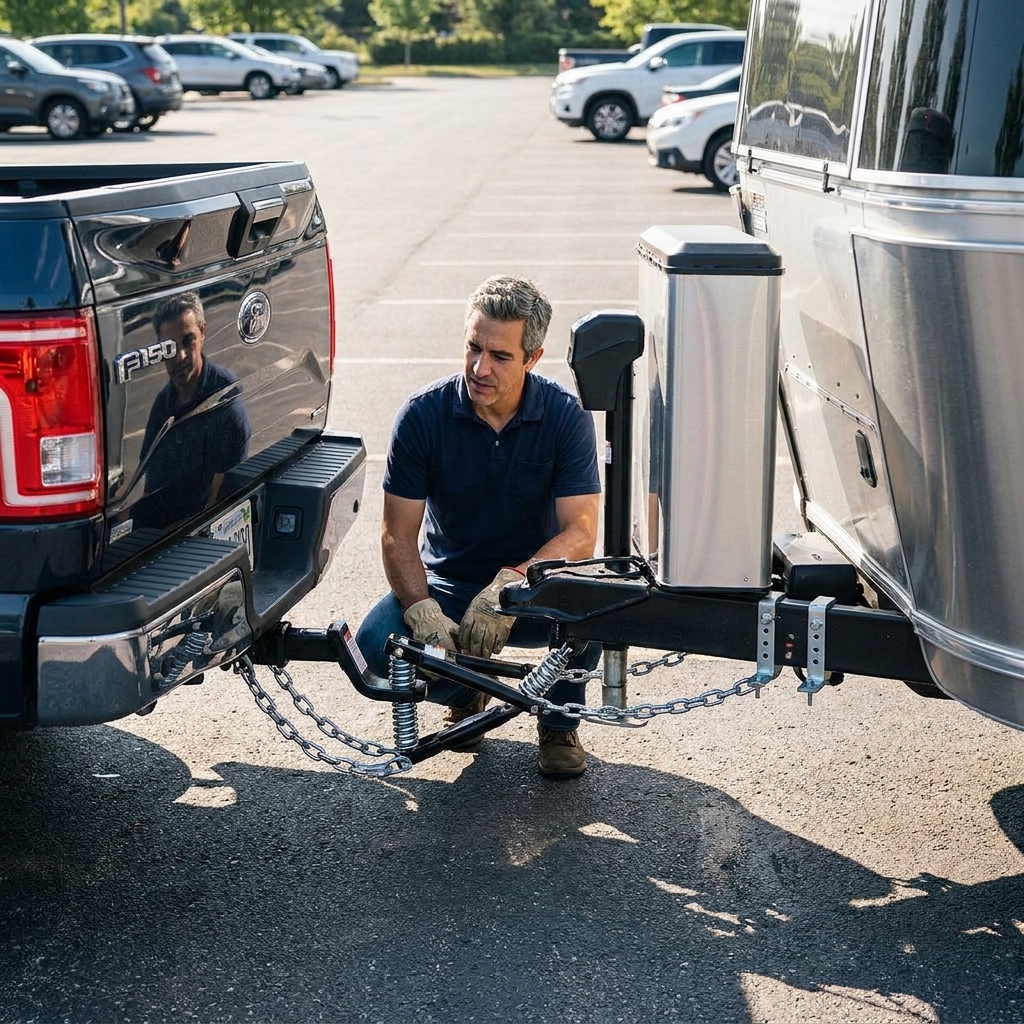
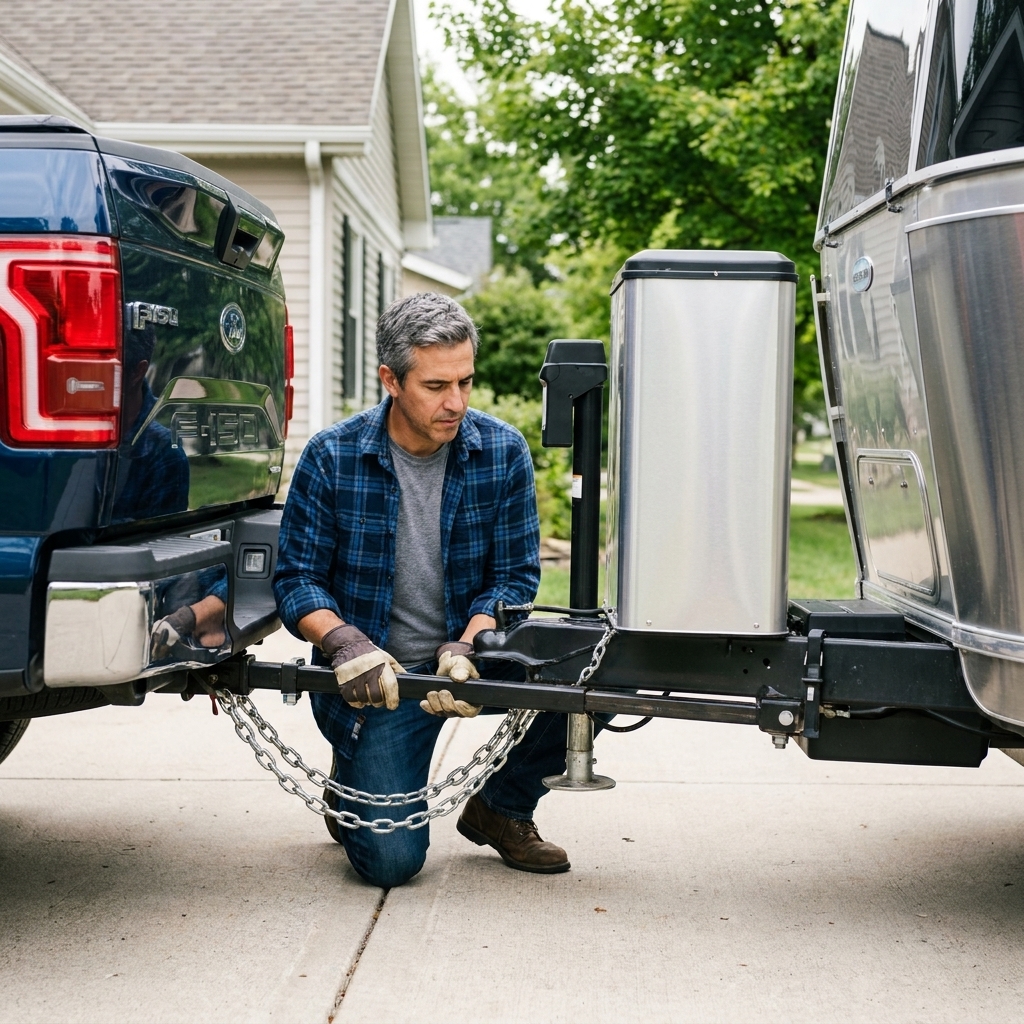
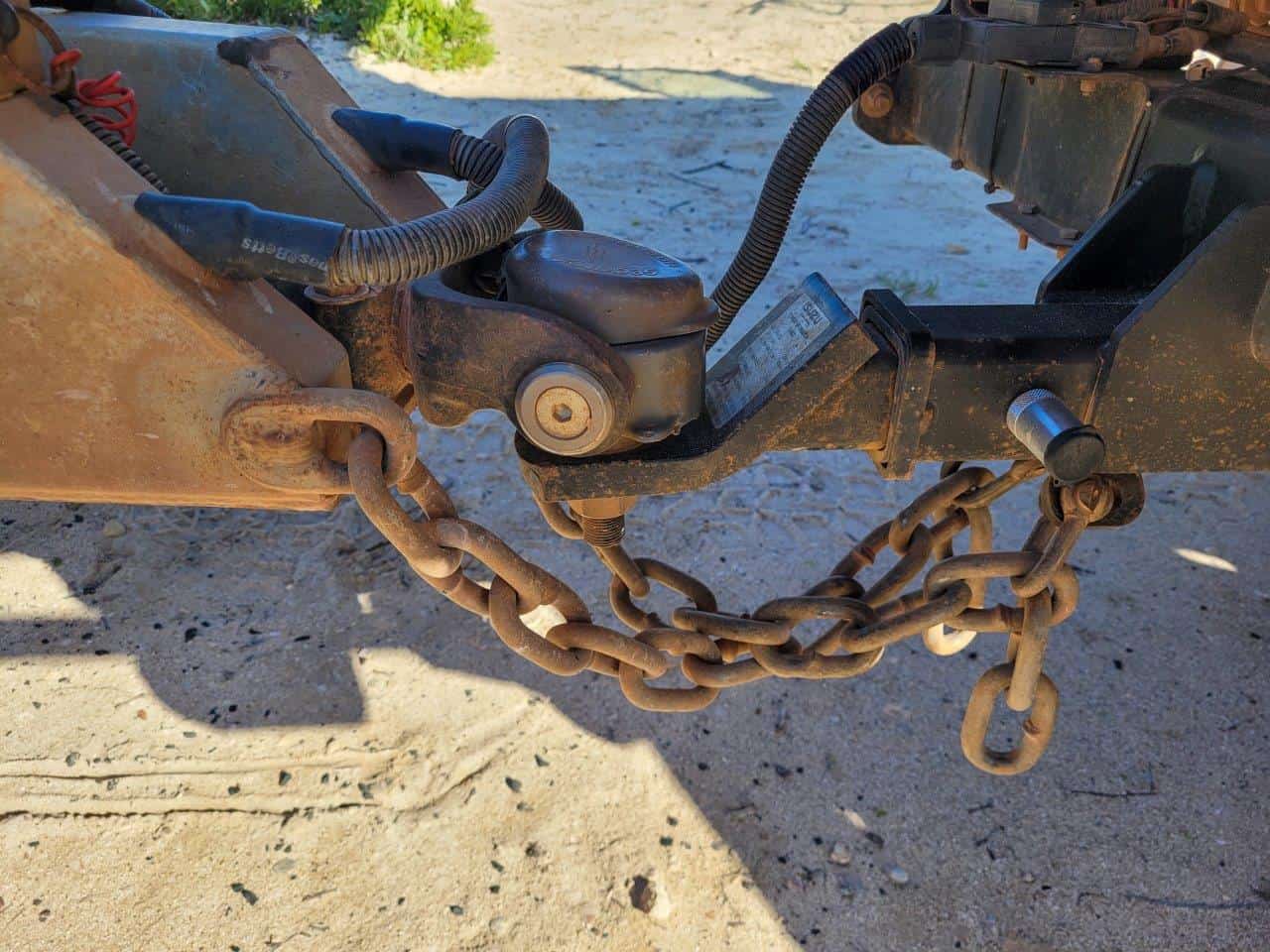
9) Connect safety chains correctly (crossed, not dragging)
Safety chains are there to keep the trailer connected to the tow vehicle if the coupler fails. Hook them up like this:
- Cross the chains under the coupler in an X pattern. This helps cradle the tongue if it comes off the ball.
- Hook to the designated safety-chain attachment points on the tow vehicle or receiver. Do not hook to the ball or the ball mount unless the manufacturer specifically provides attachment points there.
- Adjust chain length so you have enough slack for turns but not so much that chains drag.
10) Attach the breakaway cable (its own point, not the chains)
If your trailer has electric brakes, it may have a breakaway system, and in many places a breakaway system is required above certain trailer weights. Either way, if your trailer is equipped with one, use it correctly. Clip the breakaway cable to a dedicated attachment point on the tow vehicle, separate from the safety chains.
- Do not loop it through the chains.
- Do not clip it to the ball or ball mount.
- Leave enough slack for turning but not so much that it drags or can snag.
The goal is simple: if the trailer separates, the cable pulls the pin and applies trailer brakes.
11) Plug in the trailer connector and check slack
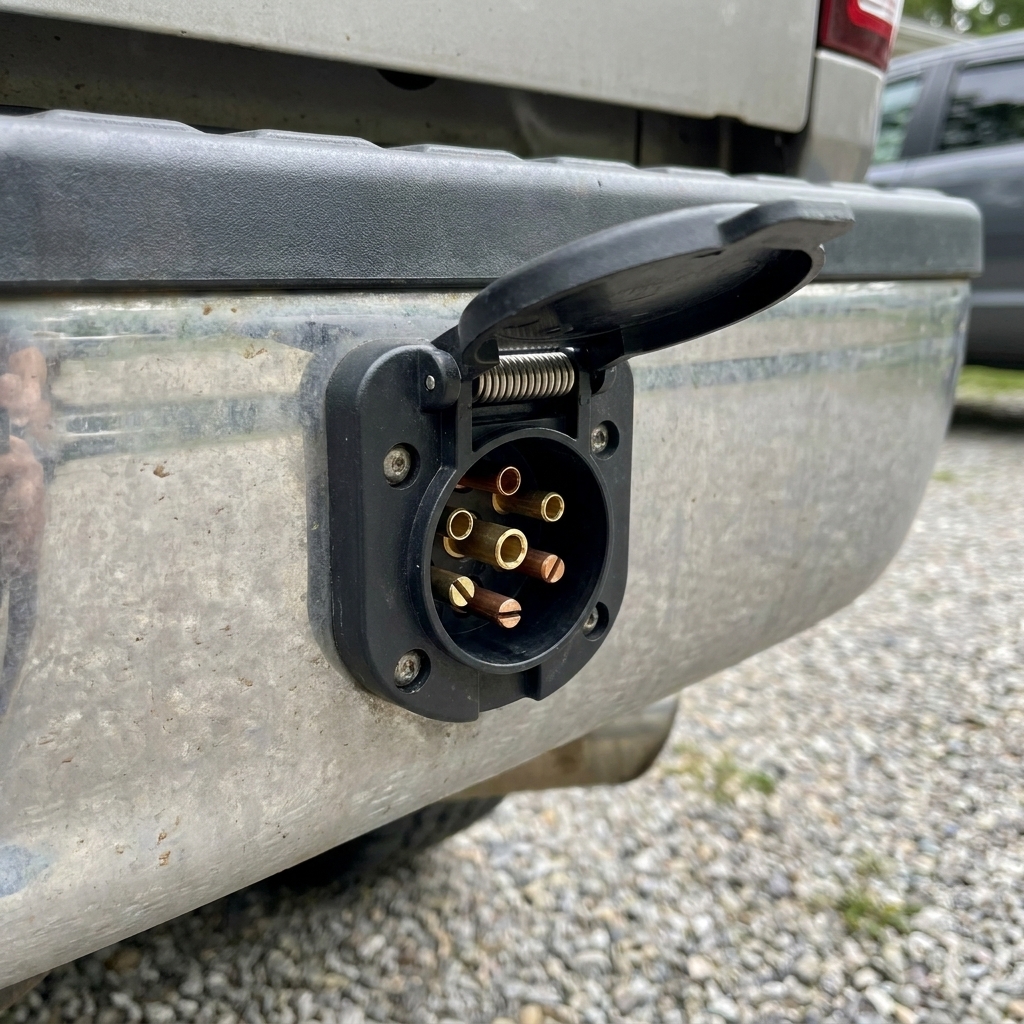
Plug in the 4-pin, 5-pin, 6-pin, or 7-way connector fully. Make sure the cord has enough length for turning, but is not rubbing on the ground where it can get chewed up.
If your connector feels loose or corroded, fix that before you tow. Lighting and brake signal issues are not nice-to-have items.
12) Raise and secure the tongue jack
Fully retract the tongue jack, then lock it in the travel position if it is a swivel jack. If it is a drop-leg style, pin it securely.
This is also a good time to confirm any stabilizer jacks are up. I have personally watched more than one trailer leave a spark trail because someone forgot a rear stabilizer.
13) Final walkaround before you move
Before you put the truck in gear, take a lap. It takes 30 seconds and saves expensive mistakes.
- Coupler latch closed, pinned or locked
- Chains crossed and hooked, not twisted into knots
- Breakaway cable attached to its own point
- Electrical plug seated and cord clear
- Tongue jack fully up
- Remove chocks last (only when you are ready to roll)
- Trailer door, ramp, or gate latched
Then test lights and signals: running lights, brake lights, left and right turn signals. If you have a brake controller, confirm the gain and settings per the controller and trailer manufacturer guidance, then do a low-speed brake check in a safe area.
One more real-world reminder: even a perfect hitch hookup cannot fix a badly loaded trailer. If the trailer is loaded, confirm your load is secured and your tongue weight is in a safe range for your setup. Poor balance is one of the fastest ways to invite sway.
Uncoupling on level ground (no surprises)
Unhooking is basically the same job, in reverse, with one big theme: keep the trailer from rolling, and keep the tongue from dropping.
1) Park straight and secure the tow vehicle
- Stop on level ground when possible.
- Put the tow vehicle in park and set the parking brake.
- If you are on anything less than ideal ground, consider chocking the tow vehicle too.
2) Chock the trailer wheels before you unload the hitch
Chock both sides of at least one tire per side. Do this before lowering the jack or releasing the coupler. You want the trailer planted.
3) Lower the tongue jack and take the load
Crank the tongue jack down until it is firmly on the ground, then continue until you see the trailer tongue weight start transferring off the truck suspension.
On level ground, you do not need to lift the truck dramatically. You just want the coupler to unload enough to release cleanly.
4) Unplug wiring, unclip breakaway, remove chains
I like to disconnect in this order:
- Unplug the trailer wiring
- Unclip the breakaway cable
- Remove safety chains
Keep cords and chains from falling into dirt or getting run over.
5) Open the coupler latch and separate
Remove the coupler pin or lock, then open the latch fully. Now raise the tongue jack slowly until the coupler lifts off the ball.
If the coupler will not release, do not pry on it like you are opening a paint can. Binding usually means there is still pressure on the ball.
If it is stuck, stop and reset: lower the jack slightly, re-close the latch, then raise or lower in small increments until the pressure comes off. In some cases, rolling the tow vehicle an inch forward or back can help, but only if the trailer is chocked, the area is clear, and you set the parking brake again before you get out to re-check.
6) Pull the tow vehicle forward only after you are sure it is free
Once the coupler is clearly above and off the ball, get back in the tow vehicle, release the parking brake, and pull forward slowly.
Then do one last check: tongue jack stable, trailer chocked, and coupler closed or covered so it does not collect dirt and water while parked.
Common problems and when to stop
Coupler latched but not engaged
If the latch closes too easily, sits at a weird angle, or you did not feel the coupler drop onto the ball, assume it is wrong. Open it, re-seat it, and do the jack test.
Chains too long or too short
Dragging chains get ground down fast and can catch on curbs. Chains that are too tight can bind during a turn. Aim for free movement in turns with no contact to pavement.
Breakaway cable routed wrong
If the cable is clipped to a chain or wrapped around the hitch, it may not pull the pin when you need it. Give it its own attachment point.
Tongue jack binding or sinking
If the jack foot is sinking into asphalt on a hot day or into gravel, use a solid jack pad or block made for tongue jacks. A tilted jack can make coupling feel stubborn and unsafe.
Quick checklist
- Chock trailer wheels
- Confirm ball size matches coupler size
- Set ball mount height so trailer tows level
- Align straight, parking brake set
- Coupler fully open, lower onto ball
- Latch closed, pin or lock installed
- Jack test: confirm suspension loads
- Chains crossed and hooked to designated points
- Breakaway cable clipped to its own point
- Electrical plug fully seated
- Tongue jack fully raised and secured
- Walkaround, remove chocks last, test lights and brakes
FAQ
Should I hook up chains before or after I latch the coupler?
Latch and pin the coupler first, then connect chains. Chains are your backup, but the primary connection should be properly seated and locked before anything else.
Do I need to grease the hitch ball?
Many manufacturers recommend a light coat of grease on the ball to reduce noise and wear. Keep grease off the electrical connector and keep it from collecting grit. If your coupler or hitch maker specifies dry operation, follow that guidance.
Is the jack test really necessary?
I strongly recommend it. It is a simple way to confirm the coupler is truly locked on the ball before you tow at speed.
Can I couple a trailer without wheel chocks on level ground?
Even on level ground, trailers can roll from small grade changes, tire pressure differences, or tongue movement. Chocks are cheap insurance.