If you have a trailer with hydraulic surge brakes, you’ve probably experienced this at least once: you shift into reverse, ease off the brake, and the trailer suddenly feels like it’s glued to the ground. Tires chirp or skid, you have to give it extra throttle to move, and it feels completely wrong.
Often, that “locking” sensation happens because a surge brake system is doing exactly what it’s designed to do in forward motion, but you’re asking it to back up without the reverse lockout doing its job. Other times, it’s plain old brake drag from adjustment or stuck components.
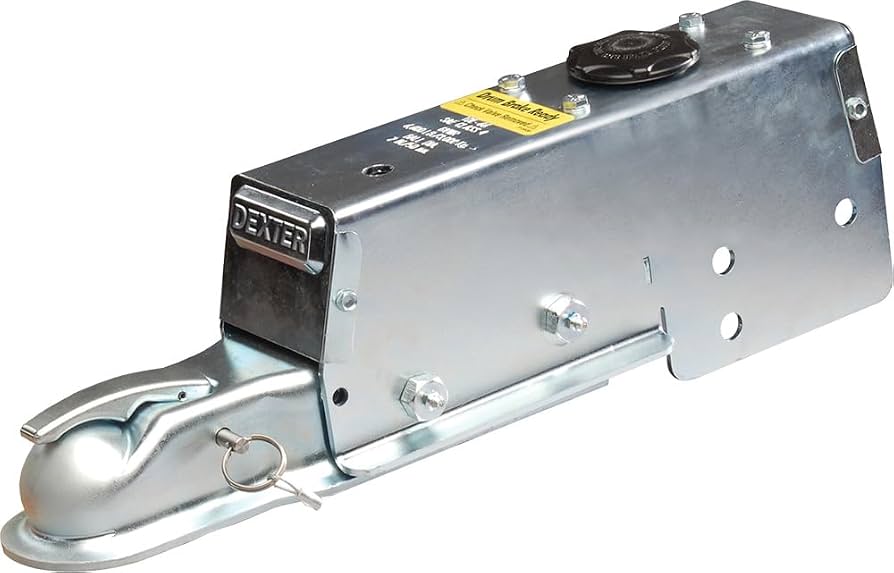
Stuck right now
If you’re in the driveway or at the ramp and the trailer won’t back up, here are the fastest, safest moves.
- Disc brakes with an electric lockout: Make sure you’re actually feeding the lockout. If you’re using a 7-to-4 adapter, it usually drops the reverse circuit by design, so the solenoid never gets power and the brakes can apply in reverse.
- Actuator with a manual lockout (pin, lever, or a manufacturer-approved wedge): Use it only for backing, then remove it immediately before you pull forward.
- Any setup: Don’t try to “power through.” If the wheels are skidding, stop and sort out the lockout or the drag instead of cooking hubs, tires, or your transmission.
What’s happening in reverse
Surge brakes are simple and effective. Instead of using a brake controller like electric trailer brakes, a surge setup uses the trailer’s own momentum.
- When you slow the tow vehicle, the trailer pushes forward.
- That push slides the surge actuator (the coupler assembly on the tongue) rearward.
- The actuator drives a master cylinder, building hydraulic pressure.
- That pressure applies the trailer’s drum or disc brakes.
Now picture backing uphill into a driveway or nudging a boat trailer up a ramp. In reverse, the trailer can still load up against the coupler if it resists rolling backward even a little. Once the actuator slides, it can send brake pressure just like it would in forward braking. That’s why you can get wheel lockup in reverse when the lockout is missing, unpowered, or not working.
Reverse lockout types
To prevent reverse lockup, surge systems use a reverse lockout. There are two common approaches. Which one you have matters, because the fix is totally different.
1) Brake-level lockout (free-backing drums)
Many drum-brake surge trailers rely on free-backing brake hardware inside the drum assembly, not the coupler. The idea is that when the drum rotates backward, the shoes don’t self-energize the way they do going forward.
Important detail: free-backing isn’t magic. If the brakes are adjusted too tight, installed wrong, or worn, they can still grab in reverse.
2) Actuator-level lockout (manual or electric)
Some actuators have a way to stop or bypass brake pressure during backing:
- Manual lockout: A pin, lever, or a manufacturer-approved wedge/chock that prevents the actuator from sliding far enough to build pressure.
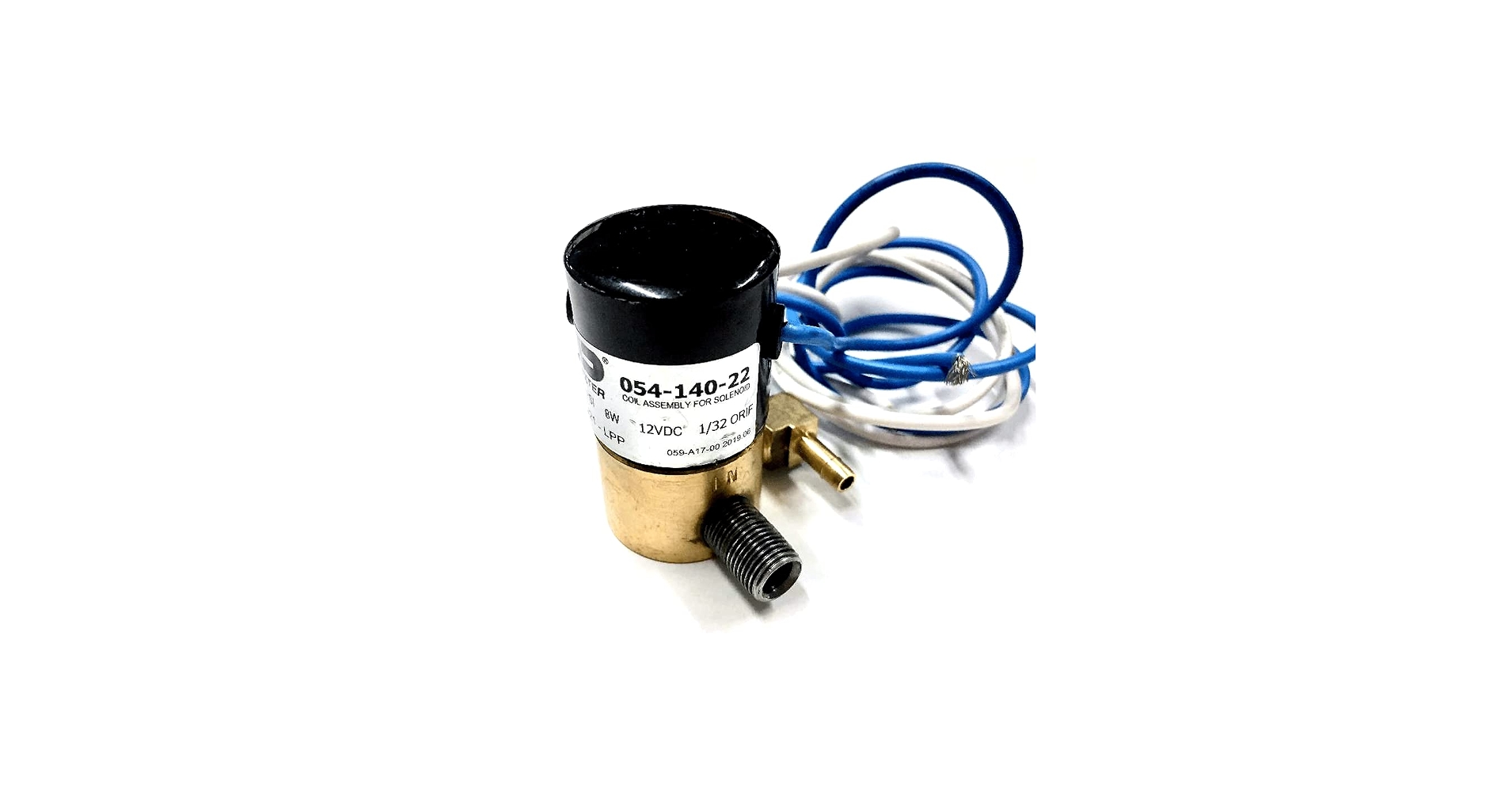
- Electric lockout solenoid: A 12V solenoid valve that blocks or reroutes hydraulic pressure when the tow vehicle is in reverse.
Manual lockouts work, but they’re only safe when used temporarily for backing and removed right after. Forget it and drive forward, and you’ve basically deleted your trailer’s primary braking system.
Electric lockout solenoid (common with discs)
Many surge actuators, especially with disc brakes, use an electric lockout solenoid. The tow vehicle supplies 12V power (usually from the reverse light circuit through the trailer plug) when you shift into reverse. When powered, the solenoid keeps the actuator from applying the brakes while backing.
Disc brake surge trailers often use an electric lockout because discs apply well in both directions. That said, there are exceptions. Some drum setups use solenoids, and a few disc setups use other lockout methods.
Identify your setup
Before you chase wiring or start bleeding brakes, take five minutes and identify what you’re working with. I used to keep a flashlight and a rag in my truck just for this, because tongue hardware gets grimy fast.
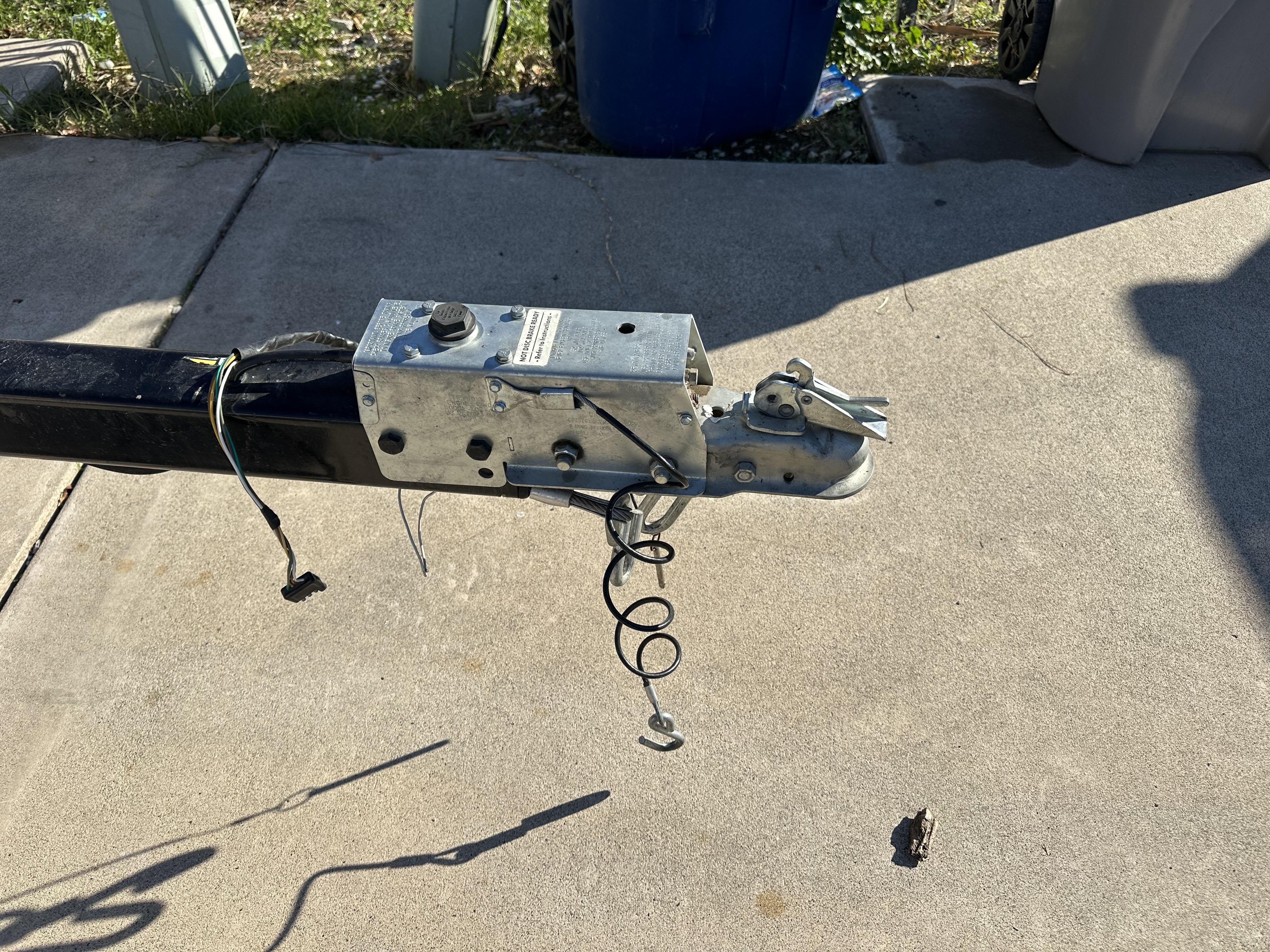
Find the actuator label
Look on the top and sides of the coupler/actuator housing on the trailer tongue. Common brands include Dexter, Demco, UFP (Unified Tow Products), Titan, and Atwood. You’re looking for a model name or number such as:
- Dexter DX series actuator markings
- Demco DA series markings
- UFP A-60, A-70, or similar
- Titan Model 10/60 or similar
Snap a clear photo of the label and the side profile of the actuator. If you’re ordering parts, matching the actuator model matters more than the trailer brand.
Look for a solenoid and wiring
If you see a small valve body with two wires near the master cylinder area, you likely have an electric reverse lockout solenoid. If there are no wires on the actuator, you’re likely dealing with free-backing drums and/or a manual lockout.
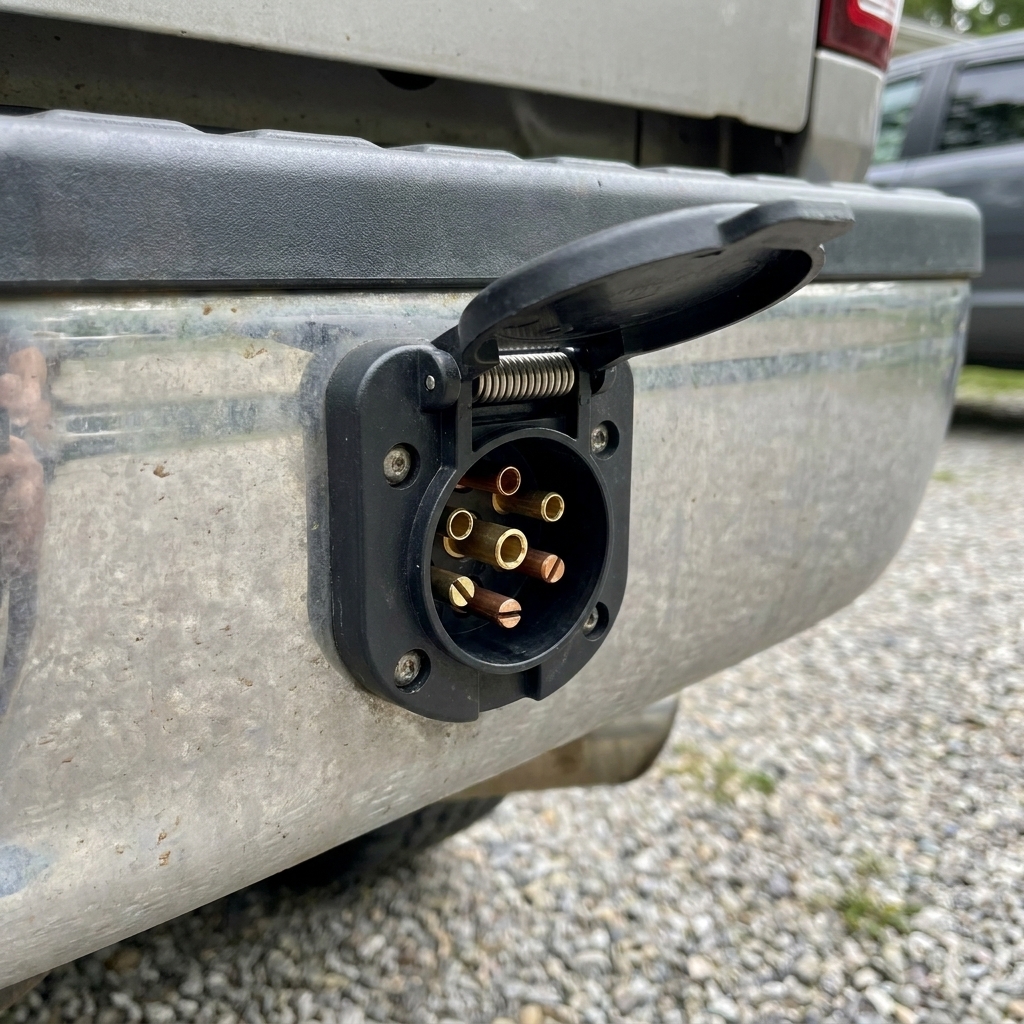
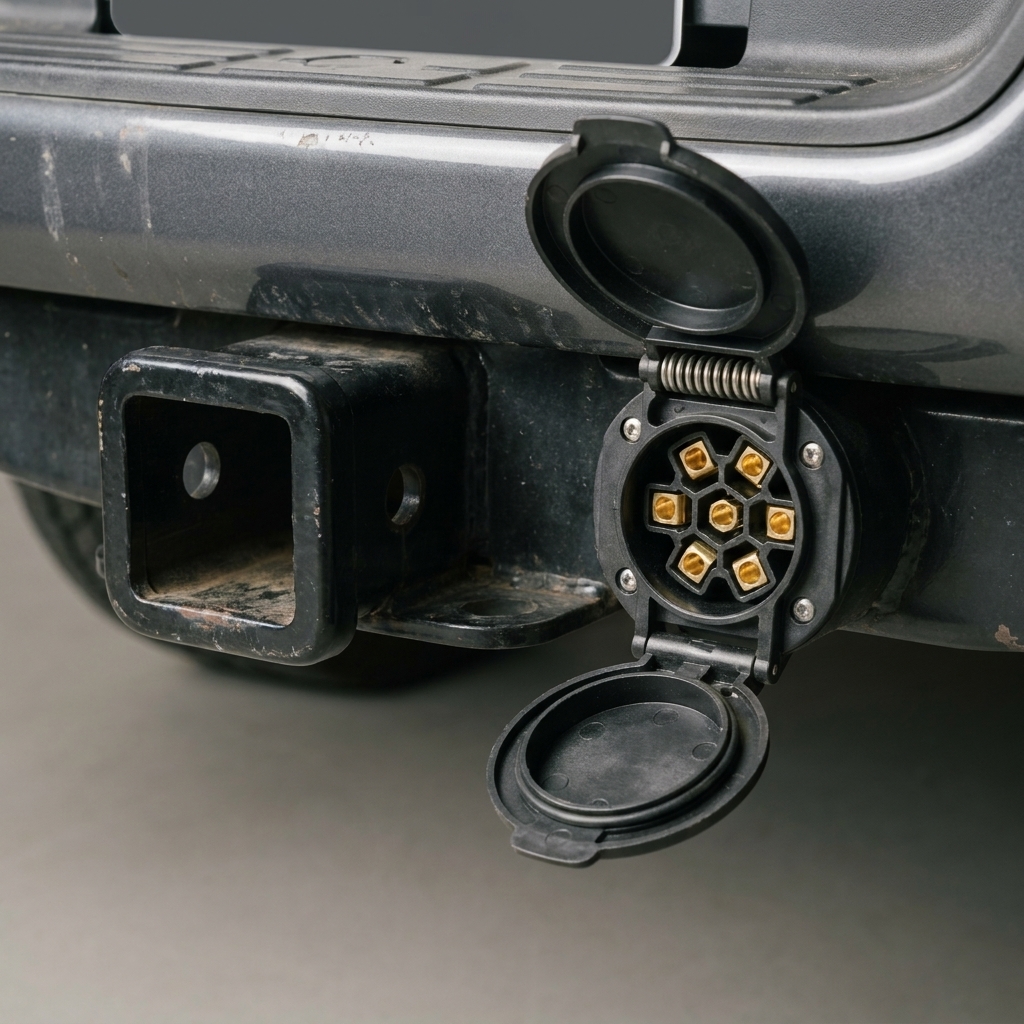
Check the plug type
This trips people up constantly. Surge-disc trailers often use a plug that carries a dedicated reverse/lockout circuit.
- 5-flat: Common on surge-disc because it adds a dedicated reverse/lockout wire.
- 7-way RV blade: Often has a reverse/aux circuit available, but it must be wired on both the vehicle and trailer side to work.
- 4-flat or 7-to-4 adapter: Typically does not carry reverse power, so an electric lockout solenoid won’t energize.
Normal vs real problems
One thing that confuses people is seeing the actuator slide and assuming it’s “faulty.” Some movement is normal. The key is when it moves and how hard it is to back up.
What can be normal
- A small amount of actuator movement as you transition from braking to backing, especially on uneven ground.
- Light brake drag for the first foot or two if the trailer sat for a while and the pads or shoes are grabbing slightly.
- A brief clunk as slack is taken up in the coupler and safety chains.
What’s not normal
- Wheels skidding or hopping when you apply only gentle throttle in reverse.
- Actuator fully sliding in and staying loaded while backing.
- Trailer refuses to move backward unless you muscle it.
- Strong hot-brake smell after a short backing maneuver.
Powering through is hard on tires, hubs, U-joints, and transmissions. If it’s locking, stop and fix the lockout or the drag instead of forcing it.
Why it locks in reverse
No reverse signal to the solenoid
This is one of the most common issues on electric lockout setups. Causes include:
- Trailer plug adapter that doesn’t carry the reverse circuit (especially 7-to-4)
- 5-flat/7-way plug wired without a reverse feed
- Corrosion in the connector, weak ground, or broken wire at the tongue
- Tow vehicle not providing power to the reverse circuit
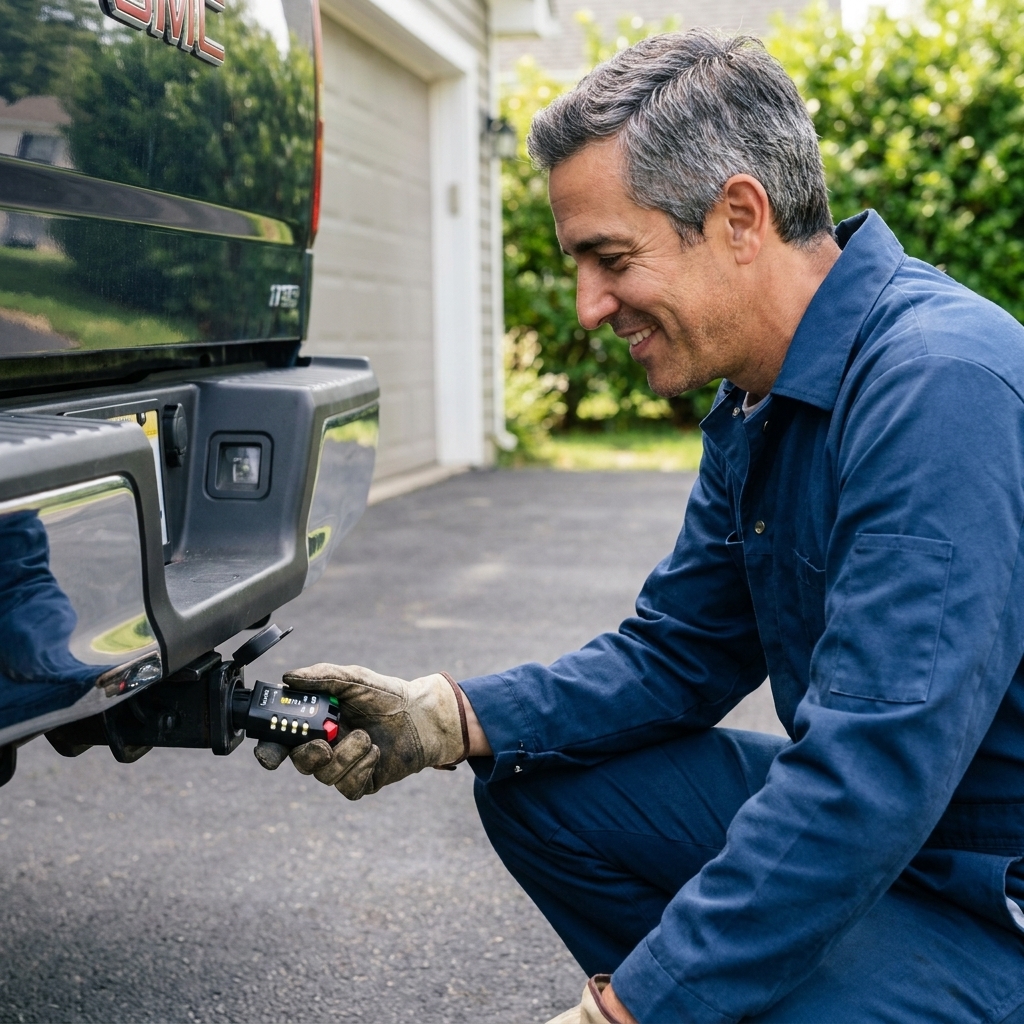
Quick driveway check: With the trailer connected, have a helper put the vehicle in reverse (engine on, foot on brake). Use a test light or multimeter at the trailer connector to confirm you’ve got 12V on the reverse circuit and a solid ground. No power means no lockout.
Solenoid installed wrong or failed
Most lockout solenoids are directional. They’ll have a flow arrow or IN/OUT markings, and plumbing them backward can create exactly the wrong behavior. A stuck or failed solenoid can also act flaky, working one day and not the next.
If your reverse circuit tests good but backing still locks the wheels, the solenoid or its orientation is high on the list.
Drum brakes adjusted too tight
With drum surge brakes, adjustment matters a lot. Shoes that are too tight can grab and self-energize, and that can show up as aggressive lockup in reverse. Over-adjustment can also overheat the drums during normal driving.
Sticking calipers or seized slides (disc setups)
Disc brakes can drag if a caliper piston sticks, slide pins seize, or brake hoses internally swell. Drag increases the force needed to start backing, which loads the actuator harder, which adds more brake. It becomes a feedback loop.
Air or contaminated fluid
Air usually makes brakes feel soft, not grabby, but it can make actuator travel excessive and unpredictable. Old, water-contaminated fluid can also cause corrosion inside calipers, wheel cylinders, and the actuator master cylinder.
Tongue load and binding angles
If the trailer tongue is too nose-heavy and the coupler is at a sharp angle (especially on steep driveways or ramps), the actuator can bind and not return smoothly. That can make it feel like the brakes are staying on.
Safe checks at home
I’m all for DIY as long as it’s controlled and safe. Brakes aren’t the place for shortcuts.
1) Confirm the lockout type
Figure out whether you’ve got free-backing drums, a manual actuator lockout, or an electric solenoid.
2) Check the obvious mechanical items
- Actuator slides smoothly and returns fully
- Breakaway cable is routed correctly and not partially pulled
- No kinked hydraulic hose at the tongue
- Coupler isn’t damaged and binding on the hitch ball
3) If it’s electric lockout, test for power in reverse
Confirm 12V on the reverse circuit with the tow vehicle in reverse. If you don’t get voltage, fix the wiring or connector issue first. The solenoid can’t do anything without power.
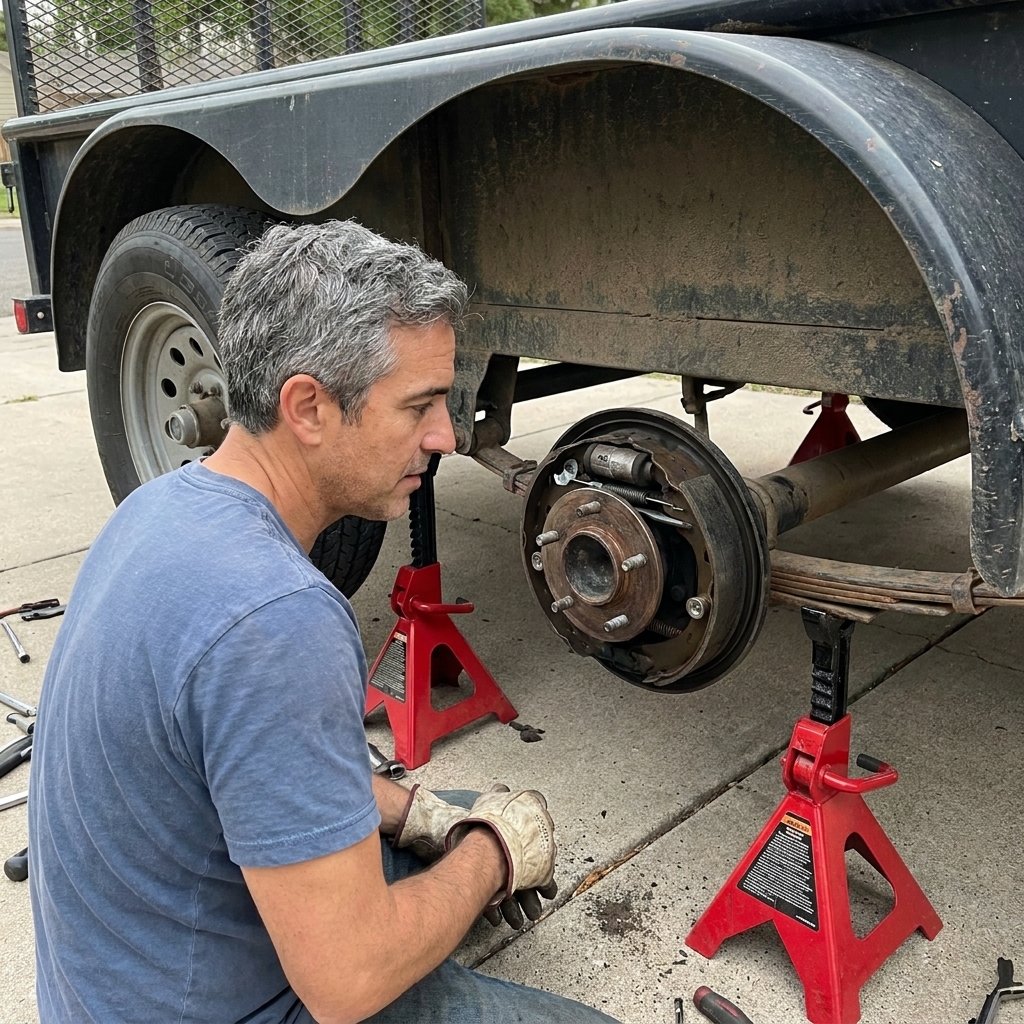
4) Lift and spin test (only if you can do it safely)
With the trailer wheels chocked securely and the axle supported properly on jack stands, spin a wheel forward and backward by hand.
- If it drags heavily both directions, you’ve likely got brake hardware trouble (tight adjustment, stuck caliper, seized wheel cylinder).
- If it rolls fine until the actuator loads up, suspect the reverse lockout function.
5) Don’t “fix” it by disabling brakes
I need to say this plainly because I’ve seen it done on the roadside. Don’t remove or disable surge braking for normal forward towing. Surge brakes are a primary safety system. If reverse lockout is failing, fix the lockout or the dragging brake, not the whole braking system.
Backing tips
- Back slowly and smoothly. Jerky throttle inputs make the trailer surge against the actuator.
- Avoid riding the tow vehicle brake while backing. That keeps the actuator loaded.
- Use low range if you have it when backing a heavy trailer uphill. It lets you move slowly with less throttle input.
- Keep the trailer level when possible. Extreme angles can make the actuator bind.
When to call a shop
If you’ve verified reverse power to the solenoid, checked grounds, and the trailer still locks in reverse, it’s worth having a shop put eyes on it. I’d get professional help if:
- The actuator is leaking brake fluid
- You see wetness at calipers, wheel cylinders, or fittings
- The brakes overheat during normal driving
- The solenoid plumbing orientation is questionable and you can’t confirm routing by the markings and actuator diagram
A good trailer brake shop can quickly identify the actuator model, confirm the lockout type, and pressure-test the system.
FAQ
Is it normal for surge brakes to work in reverse?
Without a working reverse lockout, yes. The actuator can’t tell direction, it only feels the load. That’s why lockout features exist.
It locks only when backing uphill. Why?
Backing uphill increases the load the trailer puts on the tow vehicle and loads the actuator harder. Any brake drag or weak lockout shows up faster on an incline.
Can I use a pin or wedge to back up?
If your actuator is designed for a manufacturer-approved manual lockout, using it temporarily for backing can be normal. The critical step is removing it immediately after backing so you don’t tow forward without brakes.
Do I need a brake controller for surge brakes?
No. Surge brakes are hydraulic and self-actuated. On many setups, the only electrical piece is the reverse lockout solenoid.
Is the breakaway system electric on surge brakes?
Most surge actuators use a mechanical breakaway cable that pulls a lever on the actuator to apply the master cylinder. Electric breakaway batteries and pumps are typically part of electric-over-hydraulic systems, which are a different setup.