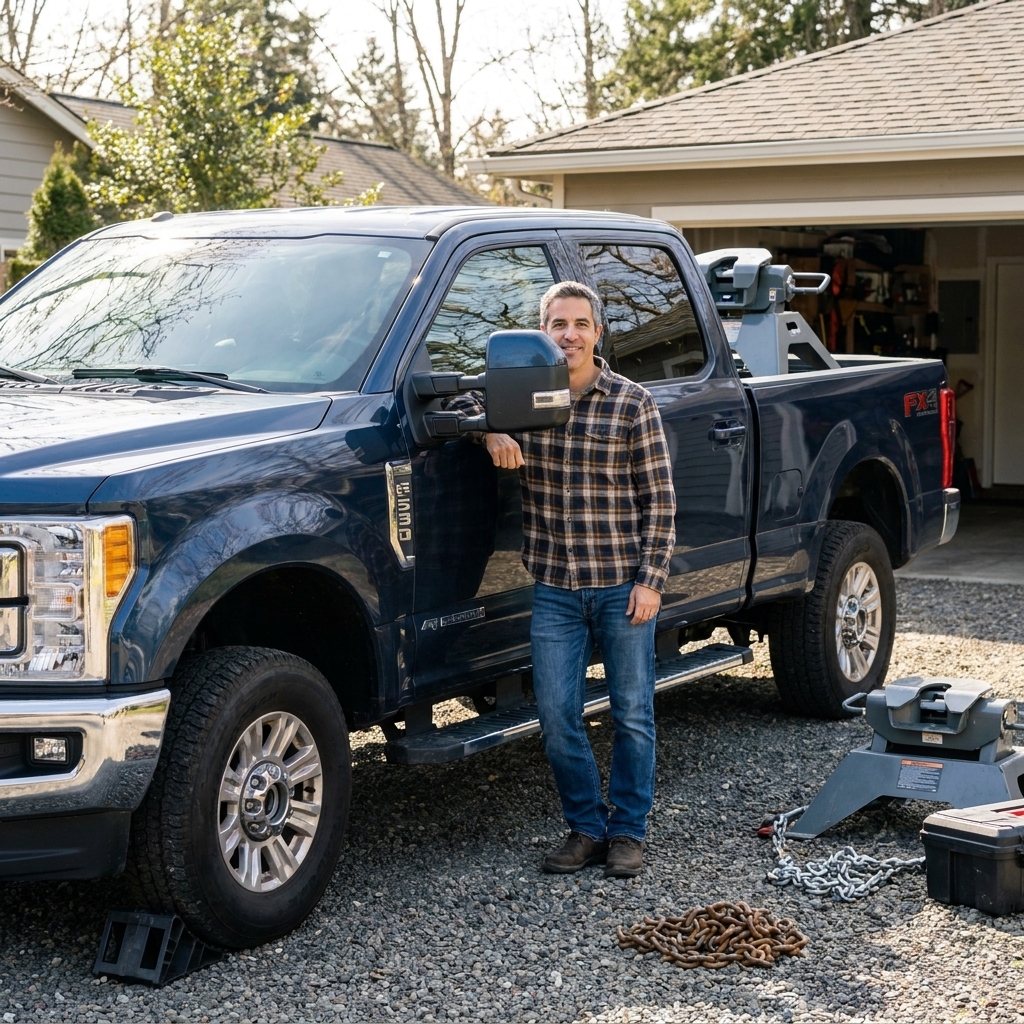
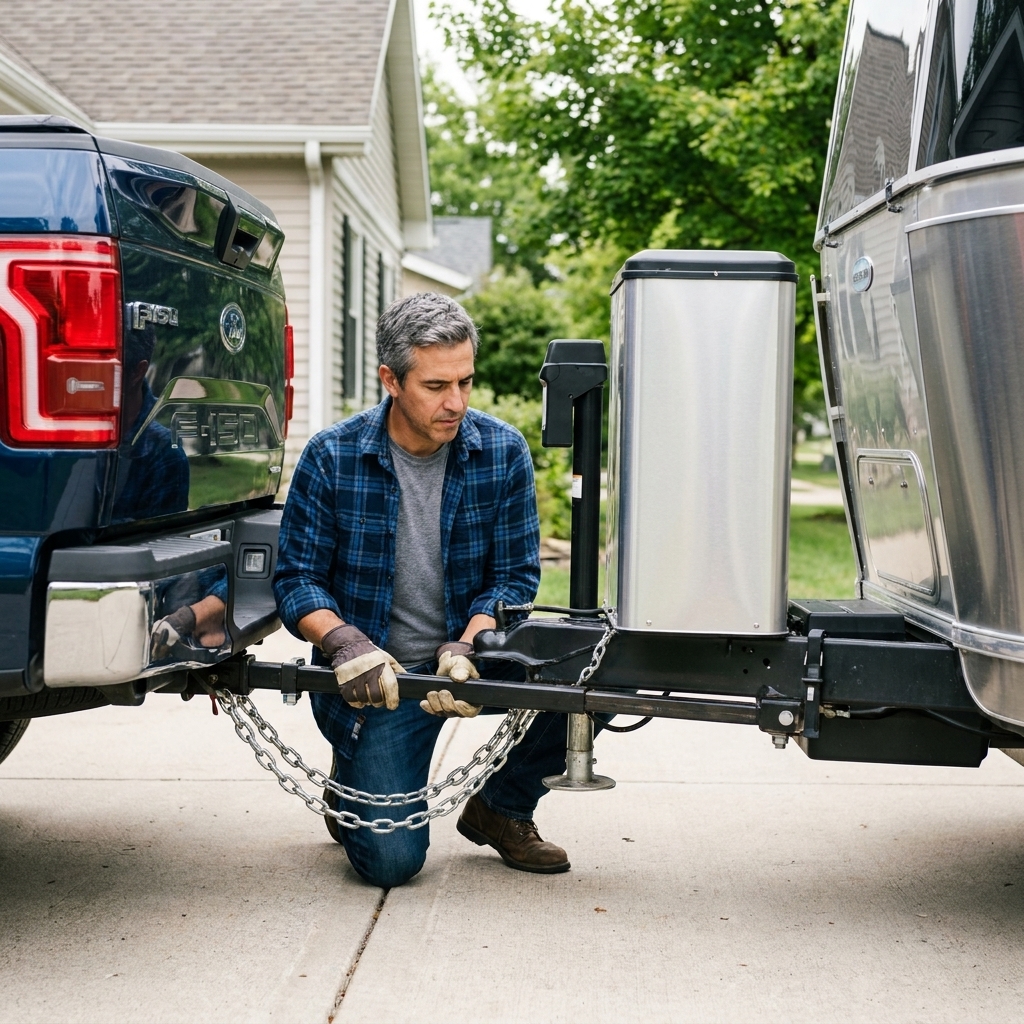
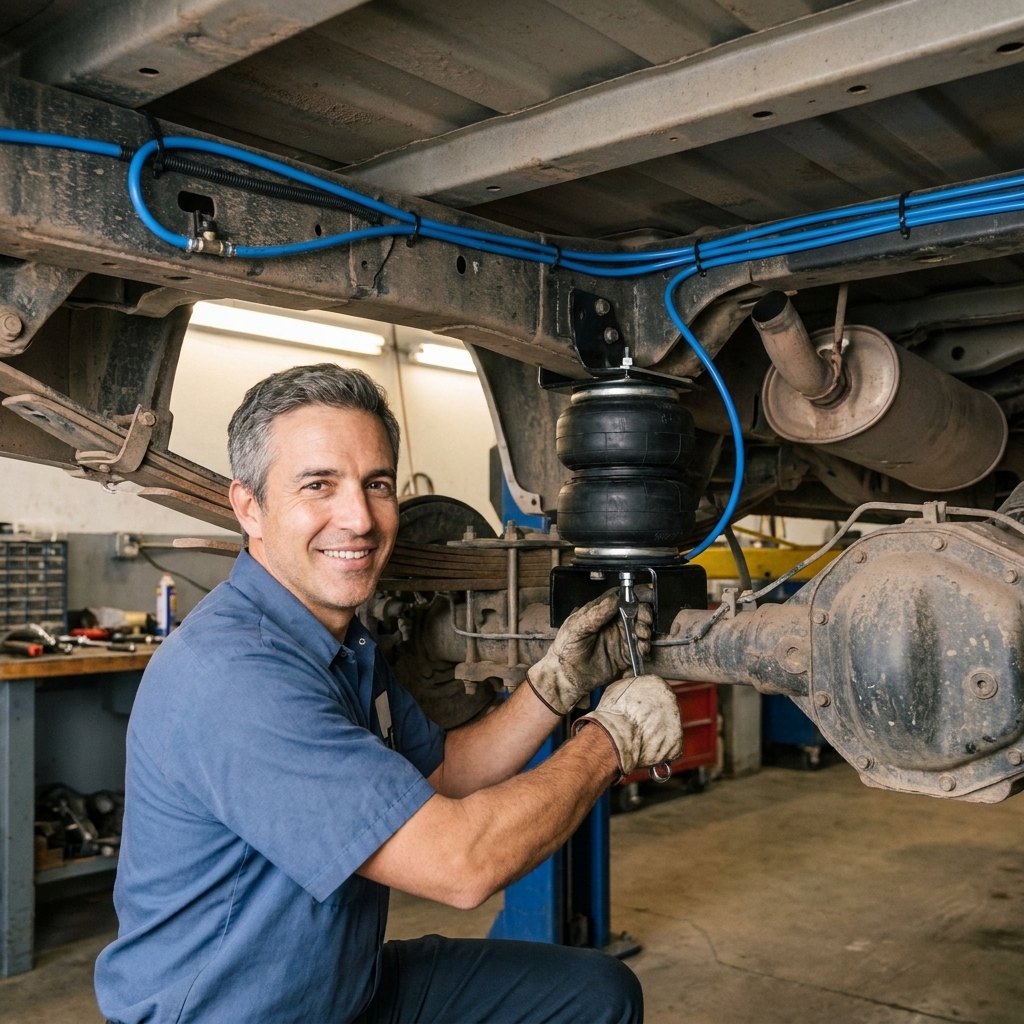
If you tow heavy and often, maintenance stops being a “whenever I get around to it” thing and turns into a safety item. Heat goes up. Load goes up. Your margin for error goes down. The tricky part is that a diesel and a gas truck react to sustained trailer work in different ways, so the maintenance priorities shift depending on what’s under the hood.
I managed a construction fleet for years, and I’ve watched good engines get ruined by boring stuff like stretched oil intervals, skipped fuel filters, and neglected coolant. None of it is glamorous, but it’s exactly what keeps a tow rig dependable when you are climbing grades in July with your right foot buried.

Below is the plain-English breakdown of what changes with oil changes, fuel filter replacements, and cooling system flushes for gas versus diesel, specifically when you tow big weight.
The core difference
Big loads stress every engine, but they do it a little differently:
- Gas engines tend to run higher RPM under load. That means more heat cycling, more shear on the oil, and more time with the cooling system working hard.
- Diesel engines make torque at lower RPM, but they deal with soot, tighter fuel system tolerances, and extra systems like turbochargers and, on many newer trucks, diesel emissions equipment. Fuel dilution can be a concern on some modern diesels too, especially with lots of short trips, extended idling, or frequent regeneration events. Those patterns can happen right alongside towing season.
So while both need diligent service, diesels are typically more sensitive to fuel quality and filtration, while gas trucks often feel sustained heat and oil shear sooner when they are working hard.
Oil changes
If you only take one idea from this whole guide, let it be this: towing puts you in “severe service” even if your commute is easy the rest of the week. Severe service is not a marketing term. It’s the manufacturer’s way of saying, “This is hard on the truck, shorten the intervals.” If your owner’s manual lists normal and severe schedules, use the severe one.
Gas trucks
Gas engines pulling a lot of trailer often spend more time at higher RPM and higher oil temps. Oil breaks down faster when it’s hot, and it can shear down in viscosity from sustained load.
- What changes under load: Plan to change oil more often than the “normal” interval in the owner’s manual.
- What I see in the real world: If you tow near the top of the truck’s capability, a conservative interval keeps valve train wear and timing chain stretch in check over the long haul.
- Don’t ignore the oil life monitor: It’s a useful tool, but it cannot see everything, especially if your week is short trips and your weekend is a big trailer.
My neighbor-over-the-fence advice: After a hard trip in hot weather, I like to check the oil level the next morning on flat ground. Gas engines can consume some oil under sustained load, and running even a quart low raises temps and stress.
Diesel trucks
Diesels often carry more oil than gas engines, which helps with temperature control. But diesel oil also has a tougher assignment. It has to manage soot and combustion byproducts, especially under hard pulls and high cylinder pressures.
- What changes under load: Your oil may darken quickly. That alone is not panic-worthy in a diesel. What matters is sticking to severe-service intervals and using the correct diesel-rated oil spec for your engine.
- Why it matters: Long pulls can increase soot load. If you add lots of idling, short runs, or frequent regens on some newer trucks, you can also increase the odds of fuel dilution. Not every diesel sees that problem, but the ones that do get in trouble fast when intervals are stretched.
- Turbocharger reality: Most modern diesels are turbocharged. Clean, healthy oil is your turbo’s best friend.
Extra tip for diesels: If you tow big weight and idle a lot, consider used oil analysis once in a while. It’s a cheap way to see if soot, fuel dilution, or wear metals are creeping up before it becomes a problem.
Oil filters
I’m not here to shame anyone’s budget, but towing is the time to run a quality oil filter with good efficiency and capacity. Cheap filters can go into bypass more easily in some conditions, depending on restriction, oil viscosity, and cold starts. Bottom line: when your engine is working, you want the filter to keep up.
Fuel filters
When it comes to fuel filtration, this is where diesel and gas trucks really split.
Diesel trucks
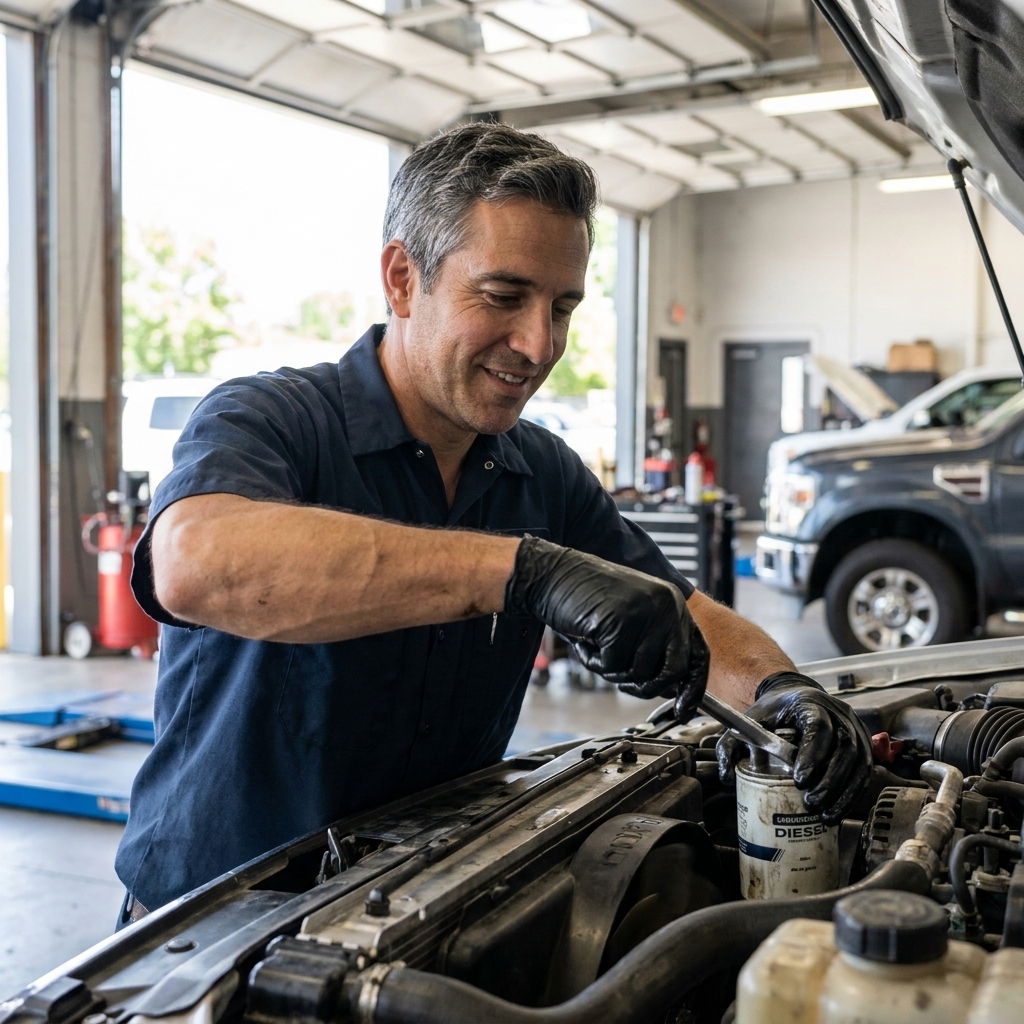
Modern diesels use high-pressure fuel injection systems with extremely tight tolerances. A little water or grit that a gas engine might shrug off can become a very expensive diesel repair.
- What changes when you tow often: You burn more fuel, which means more fuel is flowing through the filter. If you tow frequently, you may hit the service interval sooner by time, miles, or just overall fuel consumption.
- Many diesels have two filters: A chassis-mounted filter and an engine-mounted filter, or a primary and secondary setup. Follow the truck’s exact schedule.
- Water separation matters: If your diesel has a water-in-fuel separator, drain it as recommended. Water is a common culprit for hard starts, poor performance, and injection system damage.
Practical habit: I keep fuel receipts when I’m traveling and I avoid sketchy pumps if I can. If you pick up contaminated diesel and then drag a trailer through the mountains, that filter is going to earn its paycheck.
Gas trucks
Many newer gas trucks use in-tank fuel pumps and filtration that is not always a routine service item in the same way older trucks were. But working a truck hard still increases fuel demand and heat around the tank and pump area.
- What changes under load: If your truck does have a serviceable fuel filter, treat towing as severe service and follow the severe schedule.
- What to watch for: Hesitation under load, long crank times, or a loss of power climbing grades. Those can be signs of fuel delivery trouble, and trailer work is often when it shows up first.
A habit that helps both
Try not to run the tank near empty. On many vehicles, the fuel helps cool the pump, and a low tank can increase pump heat. Also, if there is water or debris in the tank, keeping more fuel in it reduces the chance you end up pulling the worst of it through the system when you are demanding max flow.
Cooling system
Towing big weight creates heat. Heat is the silent killer of engines, transmissions, and turbos. Your cooling system is the referee trying to keep everything under control.
Gas trucks
Gas engines working hard often live at higher RPM and can build heat quickly on long grades. If coolant is old, contaminated, or mixed wrong, you lose corrosion protection and can lose cooling efficiency right when you need it most.
- What changes under load: Stay on top of coolant service intervals, and do not ignore signs like rising temps on hills, coolant smell, or repeated need to top off.
- Pay attention to the whole system: Radiator condition, fan clutch or electric fan operation, thermostat health, and hose integrity all matter when you’re loaded.
Diesel trucks
Diesels can make serious heat too, especially with turbocharging and sustained boost. Coolant condition and the correct spec are critical.
- What changes when you tow often: Long pulls expose weak spots fast. If your radiator is partially plugged or your coolant is past its service life, you will see it on grades.
- Use the correct coolant: Many diesels require specific coolants. Some coolant chemistries do not play well together, including certain OAT and HOAT formulations. Mixing the wrong types can lead to deposits or corrosion issues over time. Follow the OEM spec and use the proper mix ratio.
Fleet-manager lesson learned: Cooling problems rarely announce themselves politely. They show up when you are far from home, climbing, hot out, and you have 10,000 pounds pushing you. That’s why I treat coolant service as a schedule item, not a “when it acts up” item.
Do not forget the rest of the heat stack
Even though this article is focused on engine maintenance items, towing ties everything together.
- Automatic transmissions hate heat. If your truck has a transmission temperature gauge, use it. If it doesn’t, consider adding one if you tow often.
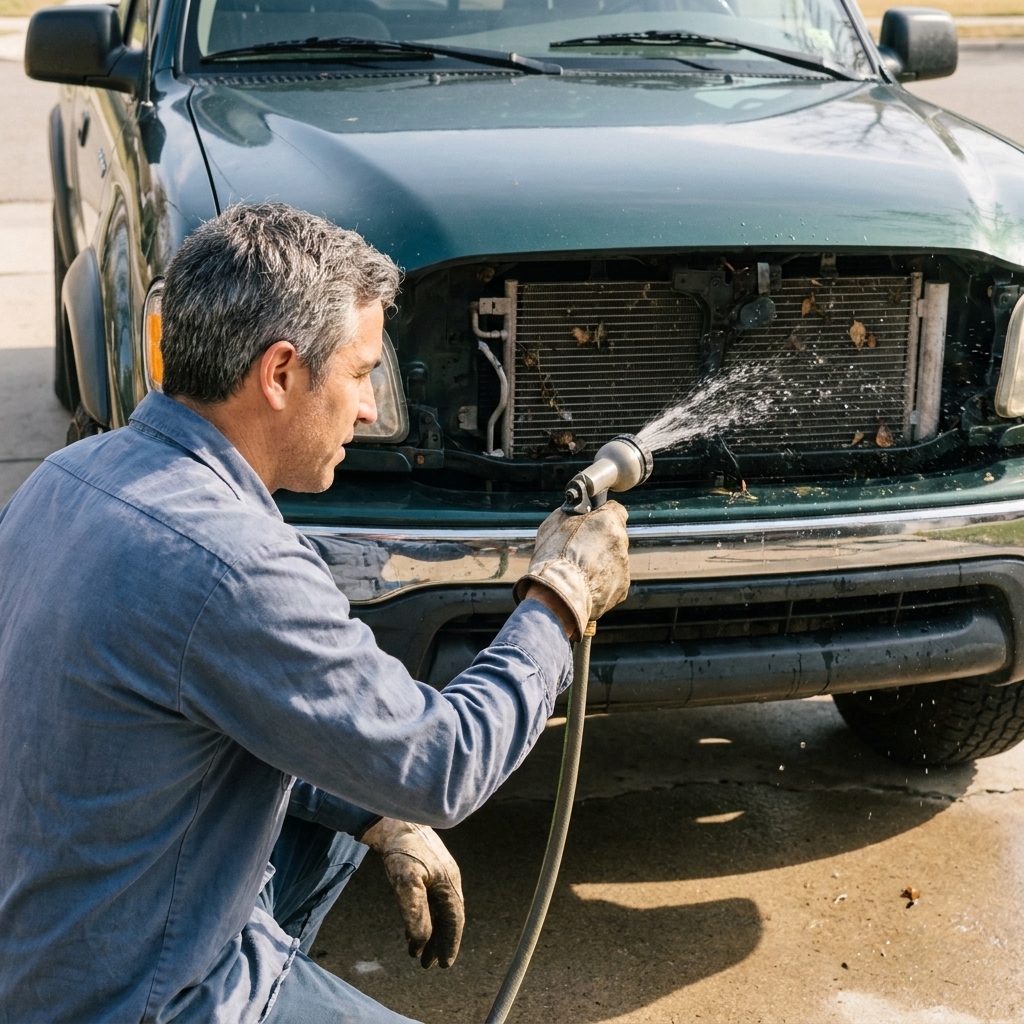
- Turbo diesels depend on clean airflow through the intercooler and radiator stack. Bugs, seeds, and road grime reduce cooling capacity. A careful rinse from the engine side out can make a noticeable difference.
Quick comparison
| Service item | Gas tow rig | Diesel tow rig |
|---|---|---|
| Oil changes | Often shorter intervals under hard use due to heat and shear; monitor level after trips | Severe-service intervals due to soot load; correct oil spec is critical for turbo and emissions-equipped trucks; watch for dilution patterns on some applications |
| Fuel filters | May be less frequent or non-serviceable on some models; watch for delivery symptoms under load | Strict interval, often multi-filter systems; water separation and fuel quality are major factors |
| Cooling system service | Stay on schedule, especially if you tow in heat or mountains; inspect the full system | Coolant type and chemistry are crucial; sustained grades find weak cooling capacity quickly |
Also worth servicing
If you’re the “tow heavy and often” crowd, these are the other fluids and checks that keep you out of the breakdown lane.
- Transmission fluid: Check the severe-service interval. Heat and load oxidize fluid faster, and a worn fluid package shows up as shudder, flare, and high temps.
- Differentials and transfer case: Towing loads the gears and raises temps. Fresh gear oil is cheap compared to a ring-and-pinion job.
- Brake fluid and trailer brakes: Brake fluid absorbs moisture over time, and heat is part of the deal on mountain descents. Keep the truck brakes healthy, make sure the trailer brakes are adjusted, and confirm the brake controller is doing its job before the first big trip.
- Modern diesel extras: Keep DEF fresh and use the right spec. If the truck is acting up, do not guess. Check for stored codes because a small sensor issue can turn into limp mode at the worst time.
Pre-season checks
If you’re gearing up for summer trips or a work season where the trailer stays hooked up, here’s the checklist I’d run in the driveway.
- Oil: correct spec, correct viscosity, level on the full mark, no obvious leaks.
- Air filter: clean and properly seated. A restricted filter hurts power and mileage for both gas and diesel, and dusty job sites can load one up fast.
- Fuel filter(s): if diesel, confirm last change date and mileage. If gas and serviceable, don’t stretch it.
- Coolant: correct level in the reservoir when cold; inspect hoses for swelling or softness; check for dried coolant residue near clamps. If you tow a lot, testing coolant concentration with a simple tester is a smart five-minute step.
- Radiator stack: look through the grille for packed bugs and debris.
- Belts: cracks, glazing, or fraying.
- Modern diesels: scan for pending or stored codes if you have access to a scanner. It beats learning about a weak sensor on a steep grade.
FAQ
Does towing mean I should always cut oil change intervals in half?
Not always, but you should treat towing as severe service and follow the severe-service schedule in your owner’s manual. If you’re towing near max ratings, towing in the mountains, towing in high heat, or doing lots of stop-and-go with a trailer, a more conservative interval is usually money well spent.
Why does diesel oil turn black so fast?
Diesels produce soot as part of normal combustion, and that soot gets suspended in the oil. Dark oil in a diesel does not automatically mean the oil is “bad,” but it does mean you need to stay disciplined on intervals and use the correct diesel-rated oil.
What happens if I skip a diesel fuel filter change?
You’re rolling the dice with one of the most expensive systems on the truck. A plugged filter can cause power loss and hard starts. Contamination or water can damage high-pressure pumps and injectors. When you’re pulling hard, you are demanding more fuel flow, so problems show up faster.
Is a cooling system flush necessary if the truck isn’t overheating?
Yes. Coolant additives and corrosion inhibitors deplete over time, and contaminated coolant or the wrong mixture can contribute to overheating and component damage. Trailer work is where a marginal cooling system goes from “fine” to “pull over now.” Servicing it on schedule is cheaper than a roadside overheat or a cooked head gasket.
The bottom line
Both gas and diesel trucks can be excellent tow rigs, but pulling heavy weight changes what “normal” maintenance looks like. Gas engines usually need more attention to oil life and heat management. Diesels demand strict fuel filtration and correct oil and coolant specs, especially under sustained load and on emissions-equipped trucks.
If you want a simple rule to live by: tow like you mean it, maintain like you mean it. Your truck will pay you back with cooler temps, fewer surprises, and a lot more confident miles.