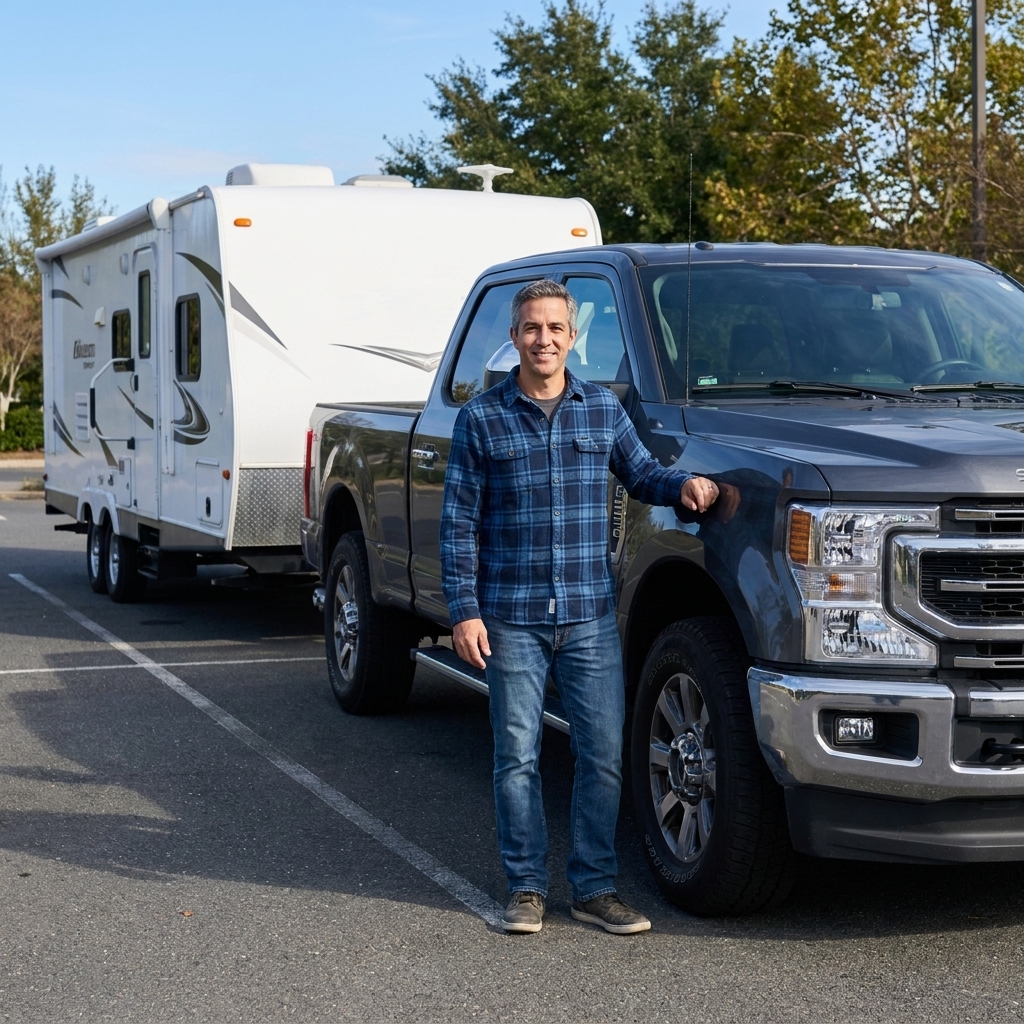
I have hooked up just about every flavor of trailer you can imagine, from little yard haulers to equipment decks that spend their lives behind work trucks. And if there is one decision that quietly affects how safe and relaxed your tow feels, it is this: single axle or dual axle (tandem).
Both can be the right choice. The best setup depends on your load, your speeds, your roads, and how much you care about things like tire costs and maneuvering in tight driveways. Let’s break it down in plain language.
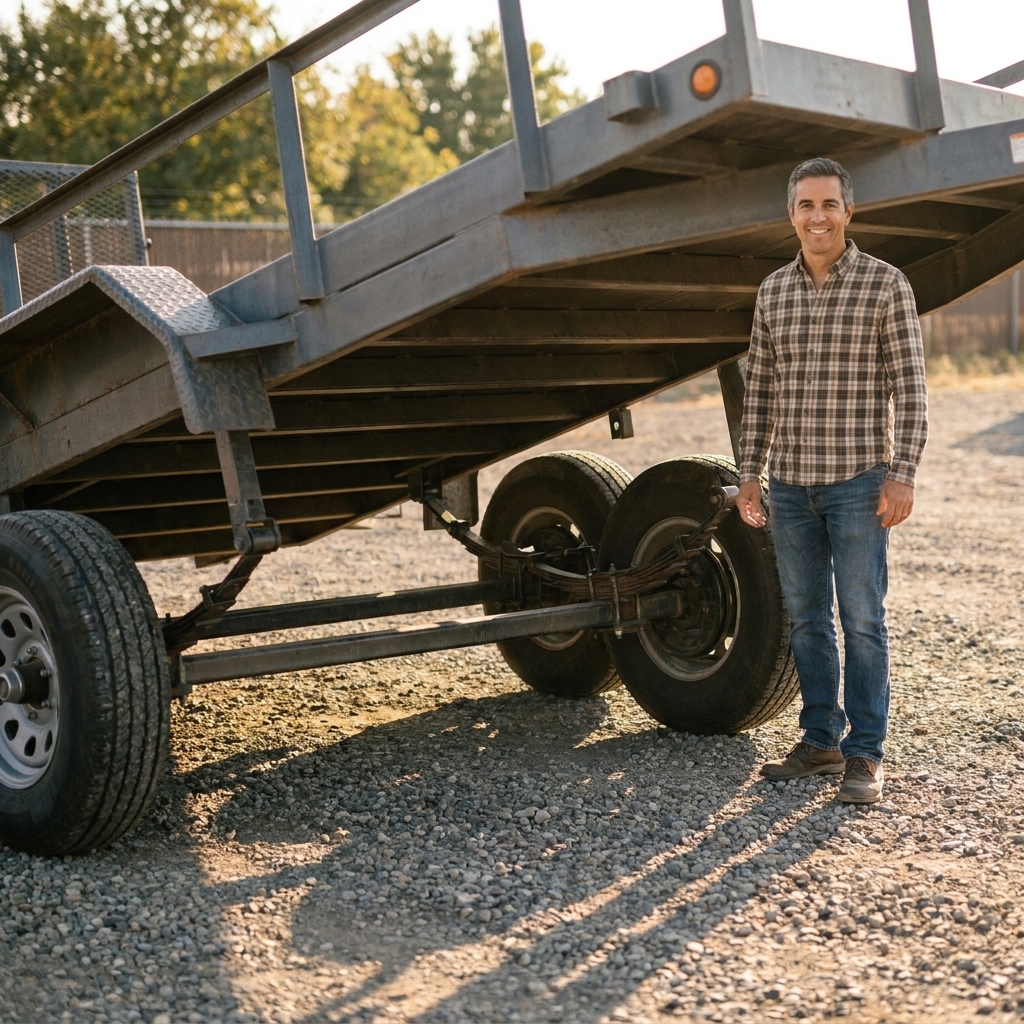
Quick answer
- Choose a single axle trailer if you tow lighter loads, want lower cost and simpler maintenance, and you back into tight spots often.
- Choose a dual axle trailer if you tow heavier loads, spend more time on the highway, want better stability in wind and ruts, and like the safety cushion of having more rubber on the ground.
If you are on the fence, lean tandem for frequent highway towing or anything that can get “spicy” if it shifts. Lean single for weekend runs and light, consistent loads.
What single and dual mean
A single axle trailer has one axle with two tires. A dual axle trailer (most folks call it a tandem) has two axles with four tires. That sounds simple, but it changes several things:
- How weight is carried and distributed
- How the trailer reacts to bumps and crosswinds
- How forgiving it is if a tire fails
- How it turns, scrubs tires, and fits in tight places
- How much upkeep you own long-term
Payload and capacity
This is where a lot of people get tripped up, so let me say it clearly: axle count does not automatically equal higher legal capacity, but in the real world tandems are commonly built to carry more.
Start with the ratings
- GVWR (Gross Vehicle Weight Rating): max the trailer is allowed to weigh when loaded.
- GAWR (Gross Axle Weight Rating): max each axle can carry.
- Tire load rating: tires can be the limiting factor even if the axles look stout.
- Coupler, safety chains, and jack ratings: yes, these can bottleneck you too.
A typical example you will see on the lot: many single axle utility trailers use a 3,500 lb axle. Many tandem utility trailers use two 3,500 lb axles (7,000 lb total). But manufacturers can spec different axles, brakes, tires, and frames, so always read the VIN tag.
How it feels
Even when a single axle trailer has a decent rating, it tends to feel “maxed out” sooner because you are asking two tires and one axle to handle everything: bumps, side load, and heat. With a tandem, the load is shared across four tires, and that usually translates to a calmer tow at higher weights.
My driveway rule of thumb: If you routinely tow more than about half to two-thirds of a single axle trailer’s rated capacity, a tandem trailer often feels less white-knuckle and gives you more margin. For example, if you are regularly hauling 2,000 to 2,500 lb on a 3,500 lb single axle, that is where many people start preferring tandem stability.
Highway stability
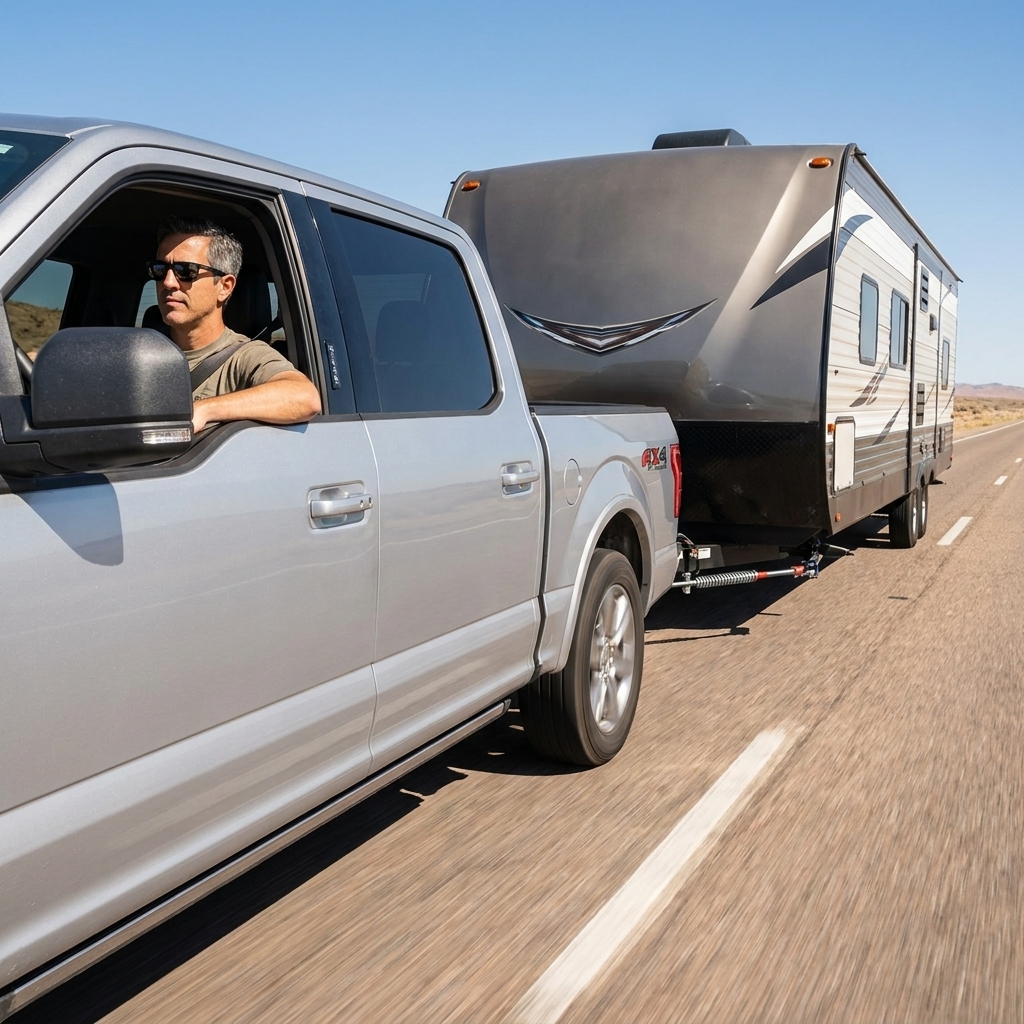
If your towing is mostly highway miles, this section matters more than any brochure spec. One important note: always follow posted limits and your trailer tire speed rating. Trailer tires vary a lot, and some are not happy when you push speed and heat for long stretches.
Crosswinds and passing trucks
A tandem trailer typically tracks straighter and gets pushed around less by wind gusts and the bow wave from semis. More tire contact and a longer effective footprint helps it resist that little side-to-side “walk” you can feel through the steering wheel.
Bumps and rough pavement
Single axle trailers often bounce more because the whole trailer pivots around one axle. Hit a sharp bump and the trailer can hobby-horse, especially if the load is rear-biased. Tandems spread that impact over two axles, so the trailer tends to feel more planted.
That said, this is not purely axle count. Suspension type and spring rate matter (leaf springs vs torsion axles, stiff vs soft, good tires vs cheap tires), and load placement can make one setup feel better than another.
Sway resistance
Tandems are usually more stable, but they are not sway-proof. Bad loading will make any trailer misbehave. A properly loaded single axle can tow beautifully, and a poorly loaded tandem can still get sketchy.
Most conventional bumper-pull trailers want about 10 to 15 percent tongue weight as a starting point. (Many travel trailers land closer to the 12 to 15 percent end.) Too little tongue weight is a top cause of sway, regardless of axle count.
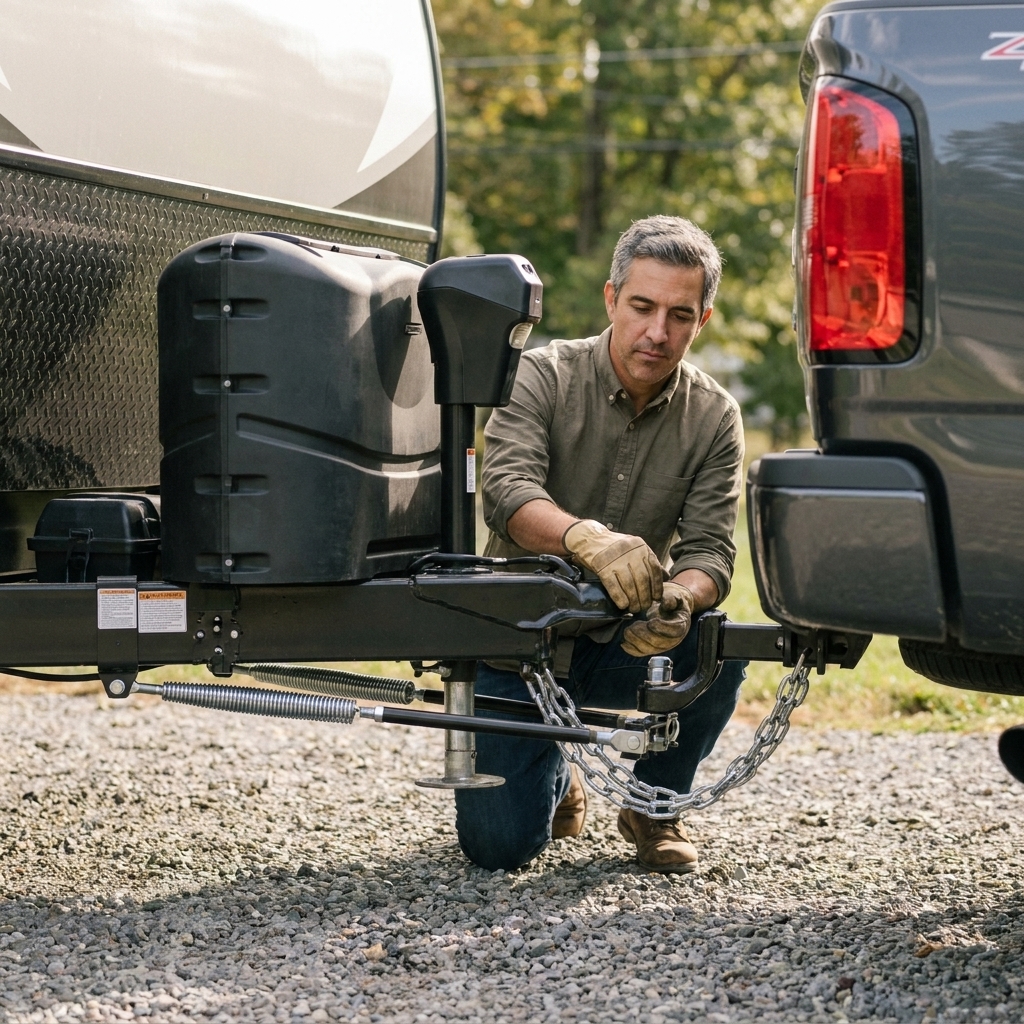
Braking
On many single axle trailers, you will find brakes on that one axle or sometimes none at all on smaller units depending on local rules and trailer size. For a national audience, it is safest to say it this way: brake requirements vary widely by state and province, and the cutoff is often based on trailer GVWR (commonly somewhere in the 1,500 to 3,000+ lb range). Check your local regulations and do not guess.
Tandems are often available with brakes on both axles, which can be a meaningful difference in stopping distance and stability under hard braking. However, plenty of entry-level tandem trailers ship with brakes on just one axle unless you order the upgrade.
What I like
- Single axle: if it is anywhere near the weight where you can feel it back there, I want trailer brakes. No question.
- Dual axle: ideally brakes on both axles, not just one.
Also remember: more brakes does not mean you can ignore your truck. Good tires, healthy truck brakes, and a properly adjusted brake controller make a night-and-day difference.
Turning and backing
This is the trade-off that surprises first-time tandem owners.
Tandem tire scrub is normal
When a tandem trailer turns tightly, one axle has to slip a little because the tires cannot all follow the exact same arc. That scrubbing action can wear tires faster, especially if:
- You do lots of tight turns on dry pavement
- Your axles are slightly out of alignment
- Your tire pressures are off
- Your suspension equalizer bushings are worn
Axle spacing and trailer length play into this, too. In general, the tighter the turn and the more “locked in” the axles are, the more scrub you feel. This is also why tandems can feel like they resist backing and tight maneuvering compared with a single axle.
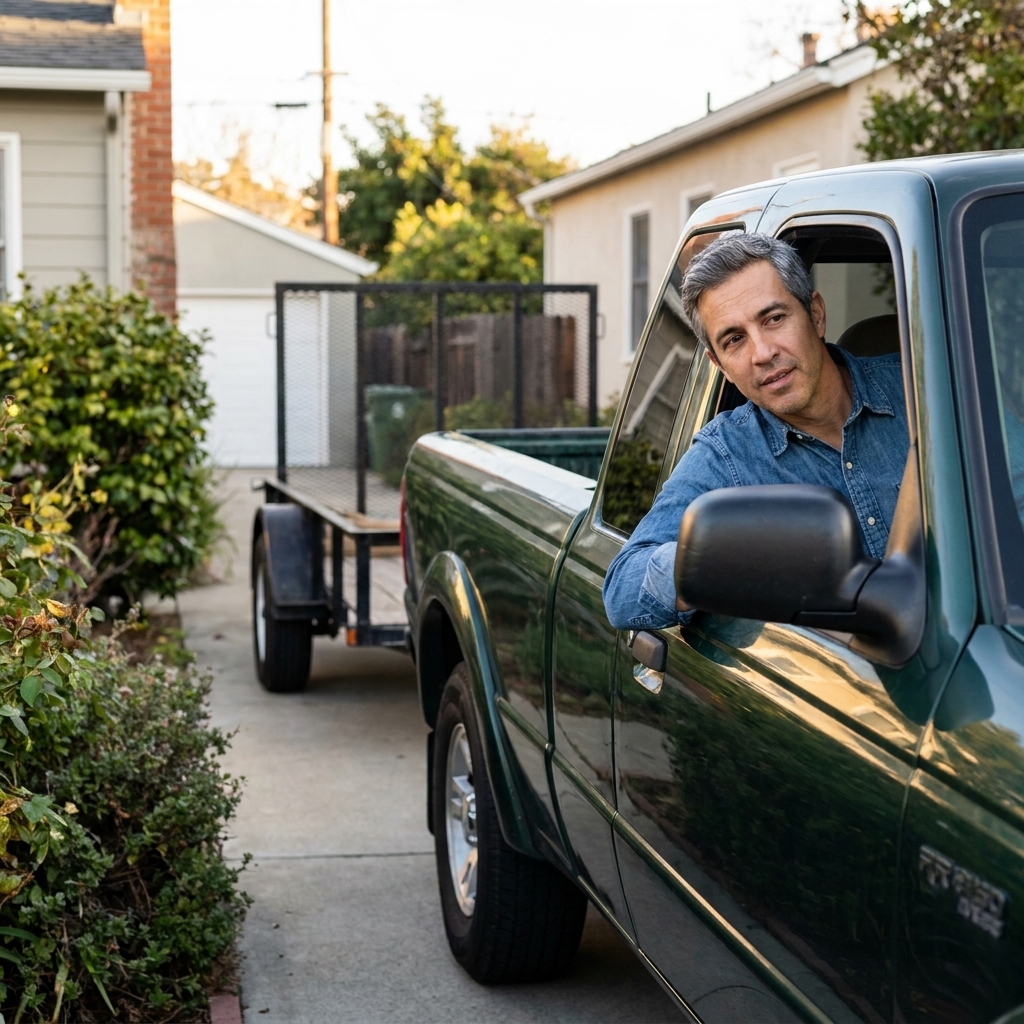
Singles are easier in tight spaces
Single axles pivot easier and generally back up with less resistance. If you are constantly threading a trailer into a narrow gate, a crowded jobsite, or a tight campground pad, a single axle can feel like a shopping cart compared to a tandem.
Maintenance and cost
As a former fleet guy, I think about maintenance in terms of parts, time, and the stuff that fails at the worst moment.
What a tandem adds
- Two more tires to buy, inspect, and replace
- Two more wheels and often two more brake assemblies
- More bearings and seals to service
- More suspension hardware (equalizers, bushings, shackles) to wear out
But it can be easier per pound
Because the load is shared, you can see less heat buildup and less strain per tire at a given weight, assuming everything is properly spec’d and aligned. That can help with tire longevity on long highway runs, even though you own more tires overall.
If you are the kind of person who already keeps a grease gun, torque wrench, and a good tire gauge in the garage, tandem maintenance is not hard. It is just more of it.
Blowouts and margin
This is one of the most practical arguments for a dual axle trailer.
If a tire fails
With a single axle, a blowout can instantly put that corner of the trailer on the rim, which can pull the trailer hard and cause more damage fast. With a tandem, you often have a little more control and a little more time to get slowed down safely because there is still another tire on that side carrying some load.
One caution, though: that remaining tire may be overloaded, and you can lose it quickly too. Treat it like an emergency, get off the throttle, hold a steady line, and stop as soon as it is safely possible.
Still do the basics
- Check tire pressure cold before trips
- Replace cracked, aged tires even if tread looks fine
- Torque lug nuts after wheel-off service
- Do not overload and do not run nose-high
Ride and cargo
If you are hauling something that hates vibration, think furniture, motorcycles, toolboxes full of expensive meters, a tandem can be gentler over rough surfaces because impacts are spread out.
That said, suspension design matters too. A quality single axle with the right tires and a balanced load can ride nicer than a cheap tandem with stiff springs and low-end tires.
Quick note on suspension
- Leaf spring tandems often use an equalizer between axles. It is tough and common, but it adds wear points (bushings and shackles).
- Torsion axles can ride smoothly and have fewer moving suspension parts, but they are more sensitive to frame damage and axle replacement can be pricier.
Common towing jobs
Utility trailer
- Best fit: single axle for lighter loads and easy maneuvering
- Go tandem if: you regularly haul dense stuff like wet mulch, gravel, or construction debris
Car hauler
- Best fit: tandem in most cases
- Why: cars concentrate weight and you usually want brakes and stability at speed
Travel trailer
- Best fit: tandem for most full-size travel trailers
- Single axle works: smaller, lighter rigs where tongue weight and payload on the tow vehicle stay manageable
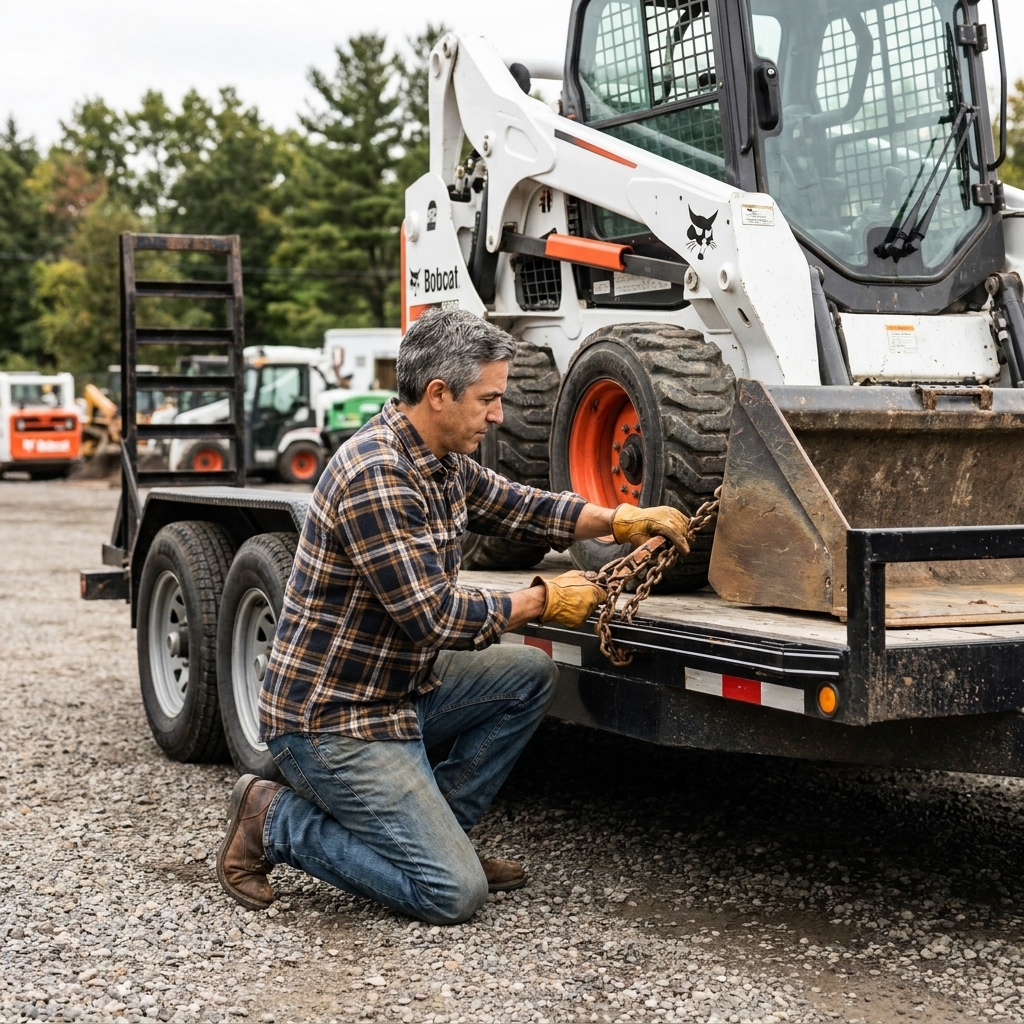
Equipment trailer
- Best fit: tandem almost always
- Why: heavy point loads, higher speeds between jobs, and you want braking capacity
Don’t forget the truck
I have seen people “upgrade” to a higher-capacity trailer and accidentally create a new problem: their truck is now the weak link.
Watch these limits
- Payload: tongue weight counts as payload, plus passengers and gear in the truck.
- Hitch rating: receiver and ball mount ratings matter.
- Tow rating: do not ignore it, but payload often ends the party first.
- Wheelbase and suspension: a longer, heavier truck generally tows more comfortably.
If you step up to a tandem because you want to carry more, run the numbers first. I would rather see a smaller load on a single axle behind a properly matched truck than a heavy tandem behind a half-ton that is out of payload before you even hook up.
Also keep the legal side in mind. Registration classes, required equipment (like brakes and breakaway kits), and enforcement can hinge on GVWR, not what you happen to be hauling that day. When in doubt, check your local rules.
Loading checklist
- Aim for 10 to 15 percent tongue weight for most bumper-pull trailers (travel trailers often like 12 to 15 percent).
- Put heavy cargo over or slightly forward of the axle(s), not hanging off the rear.
- Secure the load properly. Straps and chains should be rated for the job and anchored to real tie-down points.
- Set tire pressure cold to the tire and trailer spec, not vibes.
- Do a walk-around: coupler latched, pin installed, chains crossed, breakaway connected (if equipped), lights working, lug nuts torqued.
Single vs. dual at a glance
| Category | Single axle | Dual axle |
|---|---|---|
| Typical capacity | Lower (varies by axle rating) | Higher (varies by axle ratings) |
| Highway stability | Good when loaded right, can feel twitchier | Typically more planted and forgiving |
| Turning in tight spaces | Easy, minimal tire scrub | More tire scrub, more resistance |
| Maintenance cost | Lower, fewer wear parts | Higher, more tires, brakes, bearings |
| Blowout margin | Less forgiving | More forgiving, not risk-free |
| Best use | Light to moderate loads, shorter trips | Heavier loads, frequent highway towing |
My picks
Pick a single axle if
- Haul lawn equipment, a couple dirt bikes, or weekend dump runs
- Tow under an hour at a time on local roads
- Need to park the trailer in a tight spot at home
- Want the lowest total cost of ownership
Pick a dual axle if
- Tow on the interstate regularly
- Haul heavier loads or loads that are tall and wind-sensitive
- Want brakes on both axles (or at least the option)
- Care more about stability and safety margin than tire cost
FAQ
Is a dual axle trailer always safer?
It is usually more forgiving at higher weights and speeds, especially in wind, bumps, and tire-failure situations. But safety still comes down to loading, tire condition, brakes, and a properly matched tow vehicle.
Do dual axle trailers sway less?
Often, yes. But tongue weight and load placement matter more than axle count. If your trailer is light on the tongue, a tandem can still sway.
Do tandems wear tires faster?
They can, mainly because of tire scrub during tight turns. Good alignment, correct tire pressure, and not dragging the trailer through full-lock turns on dry pavement helps a lot.
Can I tow a tandem trailer with a half-ton truck?
Sometimes, but run payload math first. Tongue weight plus people and gear adds up fast. A tandem trailer also tempts folks to load heavier, which can push a half-ton past payload long before you hit the truck’s tow rating.
How do I know what my trailer can carry?
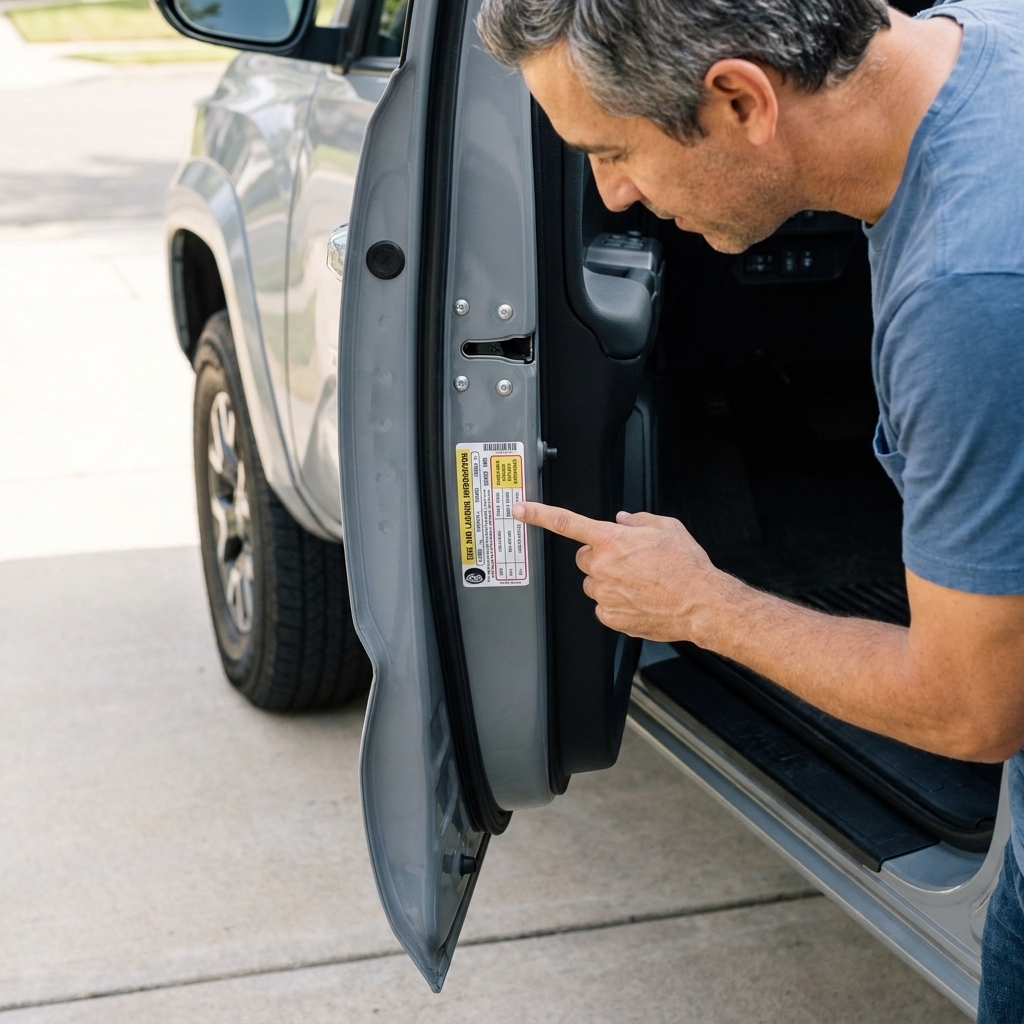
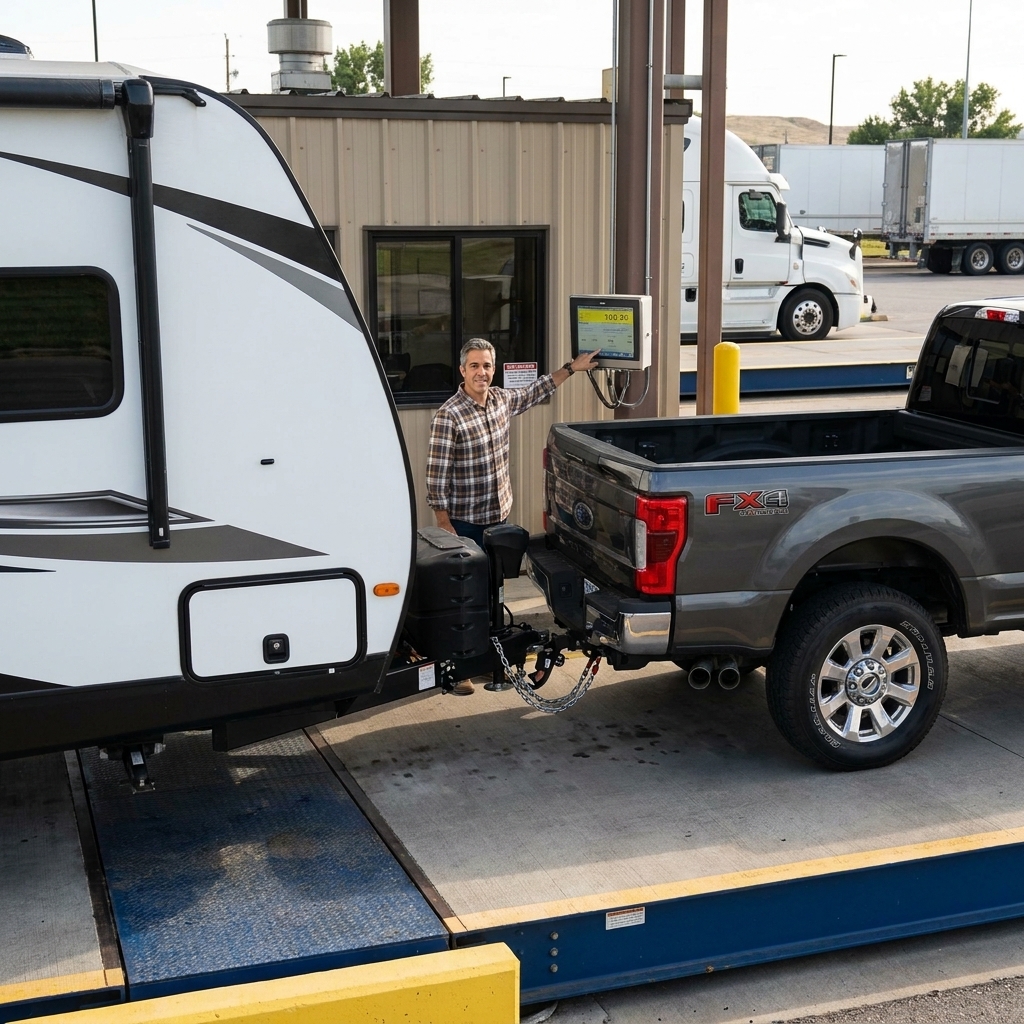
Check the trailer’s VIN tag for GVWR and GAWR, then confirm tire load ratings. Your real payload is roughly GVWR minus empty trailer weight. If you do not know the empty weight, a quick trip across a public scale settles it.
Bottom line
If you want the simplest, cheapest trailer that is easy to live with, a single axle is hard to beat. If you tow heavier, tow faster, or tow farther and you value stability and margin when something goes sideways, a dual axle is usually the calmer, safer choice.
Whatever you pick, load it right, keep tires healthy, follow tire speed ratings and local laws, and make sure your truck has the payload to carry the tongue weight. That is the stuff that keeps family trips and workdays boring, in the best possible way.